

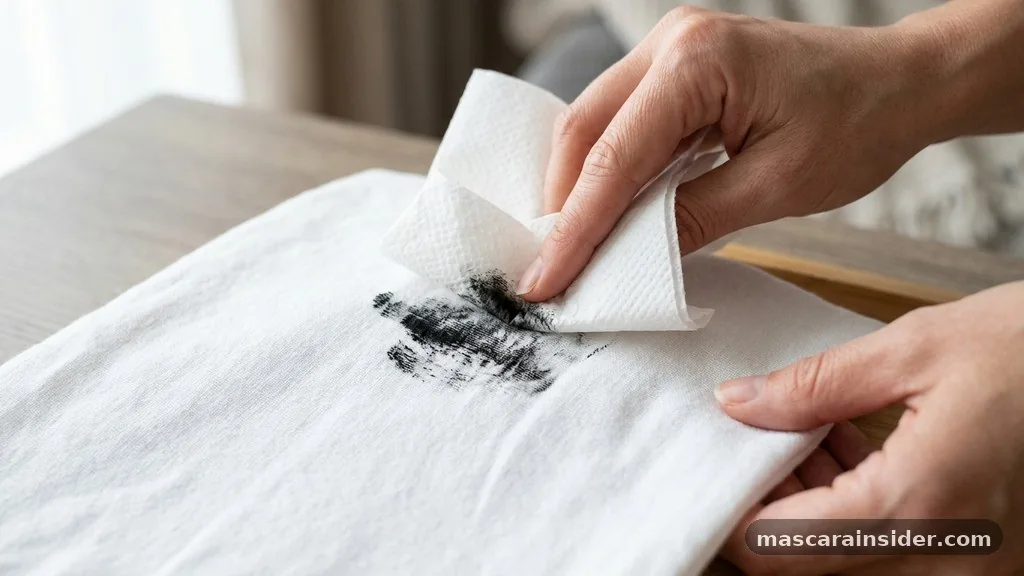
Accidentally smudging your favorite shirt while applying makeup is a common frustration that can ruin your morning. Fortunately, knowing how to remove mascara from clothing effectively means you don’t have to toss your garment into the trash. Because most mascaras contain waxes, pigments, and oils, they require specific cleaning agents to break down the bond between the product and the fabric.
By acting quickly and using the right supplies, you can lift these dark marks without damaging your clothes. This process relies on patience and the correct chemical reaction to ensure the stain vanishes completely.
Immediate Response and Blotting Techniques
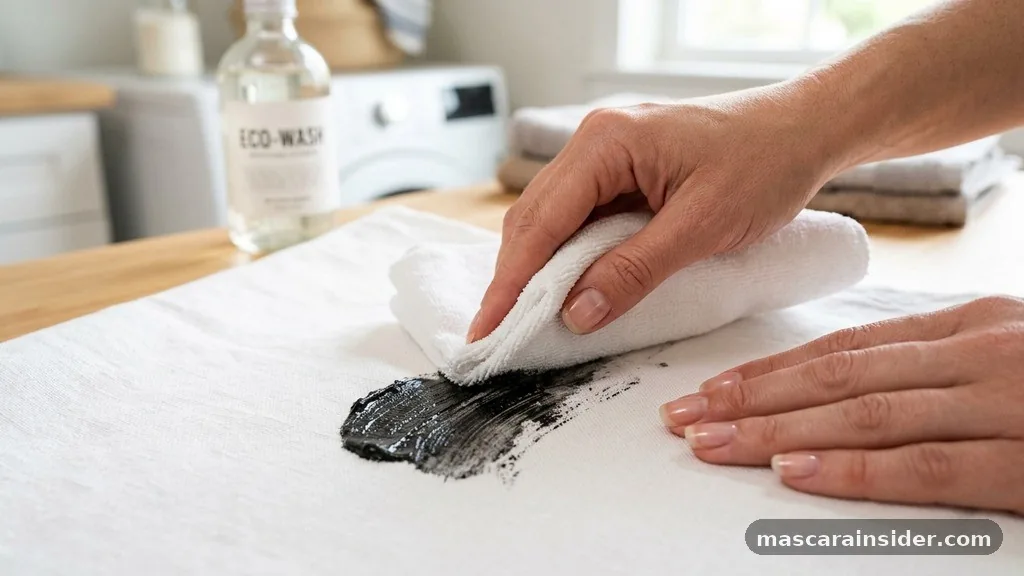
When you first notice a smudge, your instinct might be to rub the fabric. Avoid this at all costs. Rubbing only pushes the oil-based mascara deeper into the fabric fibers, making the stain significantly harder to extract.
Instead, use a clean edge, such as a dull knife or the side of a credit card, to gently lift any excess globs of product off the surface. Once you have removed the loose debris, grab a clean white cloth or a paper towel to begin the blotting technique.
Press firmly onto the spot, lifting the cloth straight up and down to pull the pigment out of the weave. If the mascara is still wet, this step is vital to prevent the stain from spreading. Keep switching to a clean section of your cloth as you blot so you aren’t just re-applying the pigment to the surrounding area.
This initial stage is purely about containment. By limiting the surface area of the spill, you prepare the garment for a more targeted cleaning treatment later on. Remember that speed is your best friend when dealing with cosmetics, as the longer the pigment sits, the more it settles into the weave.
Choosing the Right Solvent for Your Fabric
Different materials react differently to cleaning agents, so identifying your clothing type is crucial. For durable natural fibers like cotton or linen, you have more leeway with stronger solvents. However, synthetic fabrics like polyester or rayon can be sensitive to harsh chemicals.
A simple, effective solution for many stains is a mixture of liquid dish soap and warm water. Dish soap is specifically designed to cut through grease and oils, which makes it an ideal candidate for breaking down the waxy base found in most lash products.
If the stain persists, you may need a stronger solvent like isopropyl alcohol. Always perform a spot test on an inconspicuous hem of the garment before applying it to the main stain. Dab a small amount of alcohol onto a cotton swab and gently work it from the outside of the stain toward the center.
This prevents the stain from bleeding outward. If you are dealing with a light-colored garment, you might consider a diluted solution of hydrogen peroxide, but be extremely careful as this can act as a bleaching agent on darker or colored fabrics.
| Stain Type | Recommended Solvent | Best Fabric Type |
|---|---|---|
| Fresh/Wet Mascara | Mild Dish Soap | All Fabrics |
| Dried/Set Mascara | Isopropyl Alcohol | Durable Cottons |
| Stubborn Residue | Enzymatic Cleaner | Synthetics/Blends |
Targeting Dried Stains and Stubborn Residue
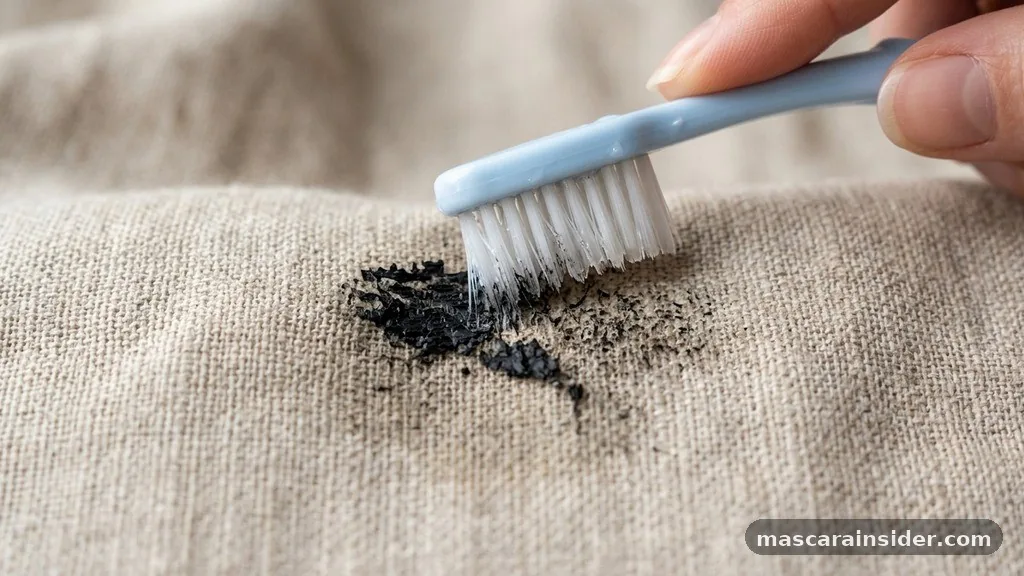
Removing mascara from clothing becomes significantly more difficult once the product has dried and hardened. At this stage, you are no longer just dealing with surface pigment; the mascara has essentially bonded with the fibers. To tackle this, you need to rehydrate the stain.
Using micellar water can be a gentle way to loosen the particles. Apply a small amount to the area and let it sit for a few minutes. The surfactants in the micellar water will help lift the oils without the need for aggressive scrubbing.
For particularly stubborn spots, an enzymatic cleaner is often the most effective tool. These cleaners contain proteins that break down organic matter, which is perfect for complex cosmetic formulations. Apply the cleaner and allow it to sit for at least fifteen minutes before rinsing.
After the treatment, always perform a thorough cold water rinse to flush away both the cleaner and the dissolved pigment. Using hot water at this stage is a mistake, as it can set the remaining oils permanently into the fibers. Always check the garment carefully before putting it into the dryer, as the heat of a machine will lock in any remaining trace of the stain.
Addressing Topical Gaps and Common Mistakes
Many people struggle with the specific challenges of removing mascara from delicate items or white garments. One frequent mistake is relying solely on makeup remover wipes. While these are great for your face, the ingredients in them—such as moisturizers or fragrances—can sometimes leave behind an oily residue on clothing that creates a new stain.
If you must use a wipe, choose an oil-free variety and dab, never rub. Another common issue is the “ring” left behind after spot cleaning. You can minimize this by feathering the edges of your cleaning area, meaning you dampen the area surrounding the stain with water to transition the cleaning agent out gradually.
- Avoid using hot water, as it can set the wax component of the mascara.
- Always work from the back of the fabric if possible to push the stain out rather than in.
- Check the care label on your garment to ensure the solvent won’t damage the weave.
- Repeat the cleaning process multiple times rather than using too much solvent at once.
- Use a clean, white cloth to avoid color transfer onto your clothing.
If you are dealing with white clothes, you might be tempted to use bleach. Avoid this, as it can react with the chemicals in the mascara and cause yellowing. Instead, stick to a high-quality stain remover specifically formulated for oily makeup.
If the garment is labeled “dry clean only,” do not attempt home removal. Take it to a professional who has the proper equipment to handle delicate fibers without causing damage or shrinkage.
Frequently Asked Questions
Can I use hairspray to remove mascara stains?
While hairspray contains alcohol, it often includes resins that can damage fabric, so it is generally not recommended.
Does cold water really help with mascara removal?
Yes, cold water prevents the wax in the mascara from melting and penetrating deeper into the fabric fibers.
Is it safe to use dish soap on silk or wool?
Dish soap is usually safe for most fabrics, but always test a hidden area first to ensure no color fading.
What if the mascara stain is still there after washing?
Do not put the item in the dryer; repeat the treatment process with a stronger stain remover instead.
Can I use makeup remover wipes on my clothes?
Only use oil-free wipes and dab the area; avoid rubbing, which spreads the pigment further into the weave.
How do I treat mascara on delicate synthetic fabrics?
Use a mild detergent mixed with water and a soft cloth to gently lift the stain without harsh chemicals.
Should I pre-treat the stain before putting it in the machine?
Yes, applying a dedicated stain remover or dish soap before washing significantly increases your chances of total removal.
Final Thoughts on Fabric Care
Successfully cleaning your clothes after a makeup mishap relies on a calm approach and the right selection of household tools. By avoiding the urge to scrub and instead using a targeted blotting technique with the appropriate solvents, you can effectively lift the pigment without causing further damage. Remember that persistence is often required for older, set-in marks, and always prioritize the safety of your fabric by performing a spot test.
Keeping a few essential supplies like dish soap or isopropyl alcohol on hand ensures you are prepared for the next time you accidentally brush your lashes against your collar. If you follow these steps, your wardrobe will remain free of those frustrating dark smudges, allowing you to focus on your look rather than your laundry. Reach out if you need further tips on maintaining your favorite garments.


