

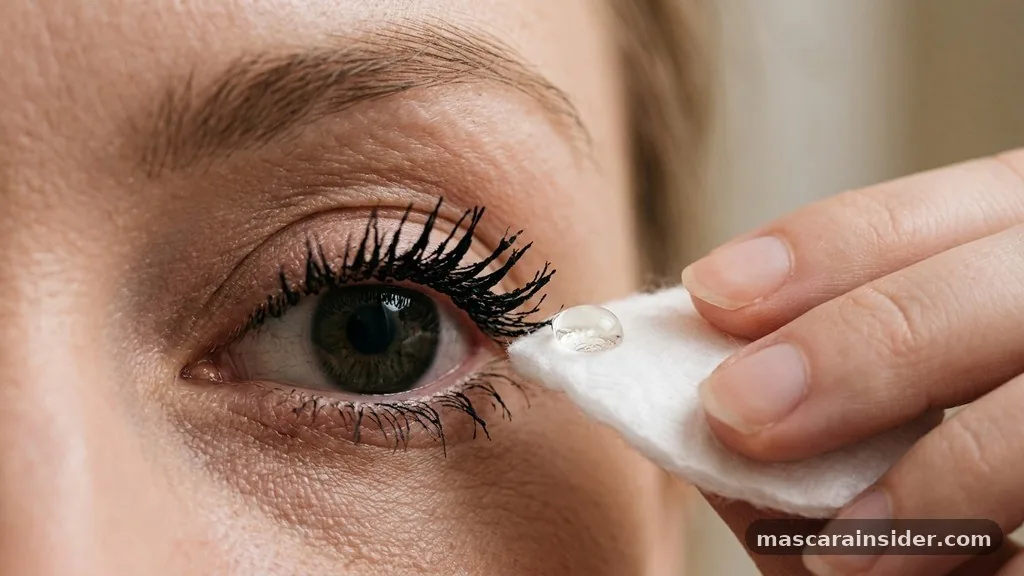
Struggling with stubborn eye makeup is a common frustration, especially when your evening routine feels like a battle against a long-wearing waterproof formula. Many people find that learning how do i get waterproof mascara off effectively requires more than just a quick splash of water and a face cloth. If you are scrubbing too hard, you risk causing eyelash breakage or irritating the delicate skin around your eyes.
This article provides safe, efficient techniques to dissolve even the most resilient pigments while prioritizing the overall lash health of your eyes. You will discover the best products and methods to simplify your nightly removal process.
Understanding Why Waterproof Formulas Persist
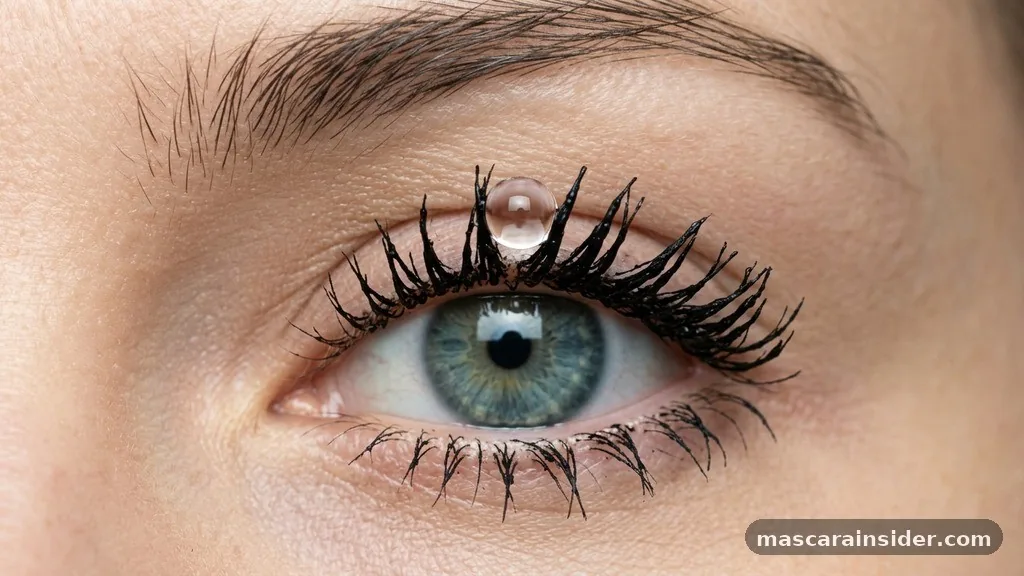
You might wonder why your mascara refuses to budge despite your best efforts. Waterproof products are engineered with polymers and waxes designed to resist moisture, sweat, and tears.
These ingredients create a protective barrier that simple water-based cleansers cannot penetrate. When you try to wash them away with a standard face wash, the product simply won’t dissolve, leaving behind unwanted residue that can clog pores or lead to morning eye irritation.
Understanding the chemistry of your makeup is the first step toward easier removal. Most waterproof mascaras are oil-soluble, meaning they require a lipid-based solvent to break down the binding agents.
If you rely solely on foaming cleansers, you will inevitably end up pulling on your lashes. Switching to an oil-based cleanser or a dedicated makeup remover changes the experience from a chore into a smooth, effortless process.
Selecting the Right Makeup Remover
Choosing the correct product depends largely on your skin type and any potential ocular sensitivity you may have. Not all removers are created equal, and some contain fragrances or alcohols that can sting if they migrate into the eye. A biphase makeup remover is often the gold standard for heavy-duty mascara; it contains both an oil phase to dissolve the wax and a water phase to refresh the skin.
Comparing Popular Removal Methods
When evaluating your options, consider the texture and the effort required for each method. The following table highlights the primary differences between common removal agents to help you decide which fits your lifestyle.
| Method | Best For | Key Benefit |
|---|---|---|
| Biphase Remover | Heavy Waterproof Mascara | Dissolves pigments instantly |
| Cleansing Balm | Full Face Makeup | Hydrating and non-drying |
| Micellar Water | Sensitive Skin/Light Makeup | Requires no rinsing |
| Natural Oils | Dry Skin | Nourishing for lash follicles |
The Oil Cleansing Method for Stubborn Mascara
The oil cleansing method is widely considered the most effective way to remove waterproof products without causing damage. By applying an oil-based product to dry skin, you allow the oils to saturate the mascara, softening the polymers until they slide off with minimal effort. This technique is far superior to pulling or rubbing, which is the primary cause of mechanical trauma to your lashes.
To perform this correctly, start with dry hands and a dry face. Massage a small amount of an oil-based cleanser or a balm directly onto your closed eyelids. Use small, circular motions to work the product into the lash line.
Once the mascara has loosened, add a tiny splash of warm water to emulsify the oil into a milky texture. Finally, rinse thoroughly to ensure no oily film remains, which prevents potential breakouts.
Using Natural Oils as Alternatives
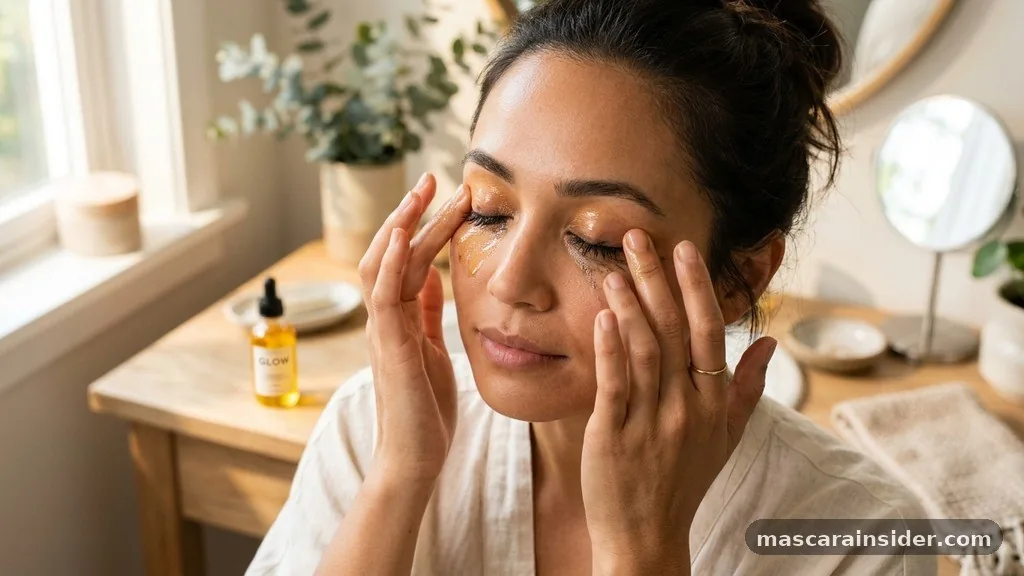
If you prefer a minimalist approach or find yourself out of store-bought remover, natural oils can be excellent substitutes. Jojoba oil, coconut oil, and almond oil are popular choices because they effectively break down waterproof waxes. These oils are generally safe for the skin, provided you are not prone to milia or specific allergies.
However, you must be careful with the application process when using natural oils. Since these products do not emulsify like a commercial cleansing balm, you will likely need to follow up with a gentle, water-based cleanser to remove the excess oil. If you leave too much oil on the lids, it can create a blurry film over your vision, which is a common complaint among those using pure oils for makeup removal.
Addressing Topical Gaps in Removal Techniques
Many people struggle with the “in-between” stage of removal, where the mascara seems to smear rather than disappear. This often happens because the cotton pad is used incorrectly or the product hasn’t been given enough time to break down.
To avoid this, you must apply the product and wait. Let the remover sit on your lashes for at least thirty seconds before attempting to wipe.
Another common gap involves the lower lash line. People often focus exclusively on the top lashes, forgetting that waterproof mascara often transfers to the lower lid.
Using a cotton swab dipped in your remover allows for precision, letting you target the lower lash roots without tugging at the delicate skin under the eye. This extra step prevents the “raccoon eye” effect that often persists after a standard wash.
Best Practices for Protecting Lash Health
Preserving your lashes should be your top priority during every removal session. Excessive rubbing, especially when using a dry or abrasive towel, is the fastest way to weaken the hair follicle. Always use a soft, lint-free cotton pad or a reusable microfiber cloth when you are wiping away dissolved makeup.
* Always saturate your cotton pad completely before touching your eye.
* Hold the pad against the lashes for thirty seconds to soften the formula.
* Gently swipe downward rather than side-to-side to protect the lash structure.
* Avoid using waterproof mascara every single day to give your lashes a recovery period.
* If you experience persistent redness or itching, switch to a fragrance-free, hypoallergenic formula.
By following these habits, you ensure that your lashes remain strong and healthy. Consistency in your routine is just as important as the products you choose. When you treat the eye area with care, you minimize the risk of thinning or loss, keeping your lashes looking full and vibrant even if you wear makeup daily.
FAQ: Common Questions on Mascara Removal
Will Vaseline remove waterproof mascara?
Yes, petroleum jelly effectively breaks down the waxes in waterproof mascara, though it can be difficult to rinse.
Why won’t my waterproof mascara come off?
You are likely using a water-based cleanser that cannot dissolve the oil-soluble polymers in your waterproof formula.
What can I use instead of waterproof mascara remover?
You can use jojoba oil, almond oil, or a dedicated cleansing balm to safely dissolve the product at home.
How to remove waterproof mascara without removing lashes?
Apply an oil-based cleanser and let it sit for thirty seconds to dissolve the product before gently wiping.
Is micellar water enough for waterproof mascara?
Only if you use a version specifically formulated for waterproof makeup; otherwise, it may struggle to remove pigments.
Can I use coconut oil on my eyes?
Yes, but use a small amount and wash it off thoroughly to avoid clogging pores or blurry vision.
How do I clean my lashes without irritation?
Use a soft, dampened cloth and gentle friction rather than scrubbing to protect your delicate eye area skin.
Maintaining Long-Term Eye Beauty
Successfully managing how do i get waterproof mascara off requires a balanced approach that combines the right chemistry with a gentle touch. By moving away from harsh scrubbing and embracing oil-based solvents, you protect your skin and lashes from unnecessary stress. Whether you choose a high-end biphase makeup remover or a simple natural oil, the key is patience.
Allowing the product to work for you means you spend less time tugging and more time enjoying clear, refreshed skin. If you find your current routine still leaves behind stubborn residue, try switching to a more potent balm or double-cleansing for better results. We hope these tips help you refine your nightly ritual and keep your lashes healthy and strong.
Do you have a favorite remover that never fails you? Feel free to share your experiences in the comments below.


