

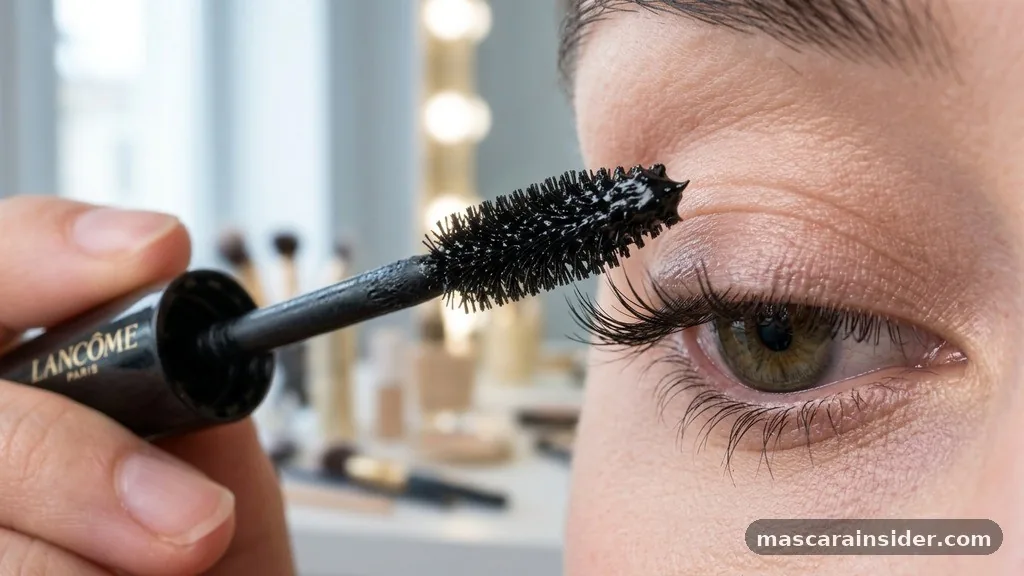
Understanding how long does it take for mascara to dry is essential for achieving a flawless, clump-free finish every morning. Whether you are rushing through your routine or meticulously building volume, knowing the precise window for your product to set prevents those frustrating smudges on your eyelids. While most formulas feel set within a minute, the complete chemical drying process involves evaporation that continues long after the initial application.
Mastering this timing allows you to layer coats effectively without ruining your hard work. By examining the science behind these formulas, you can better manage your makeup routine and keep your lashes looking defined, healthy, and perfectly coated throughout the day.
Factors Influencing Mascara Drying Time
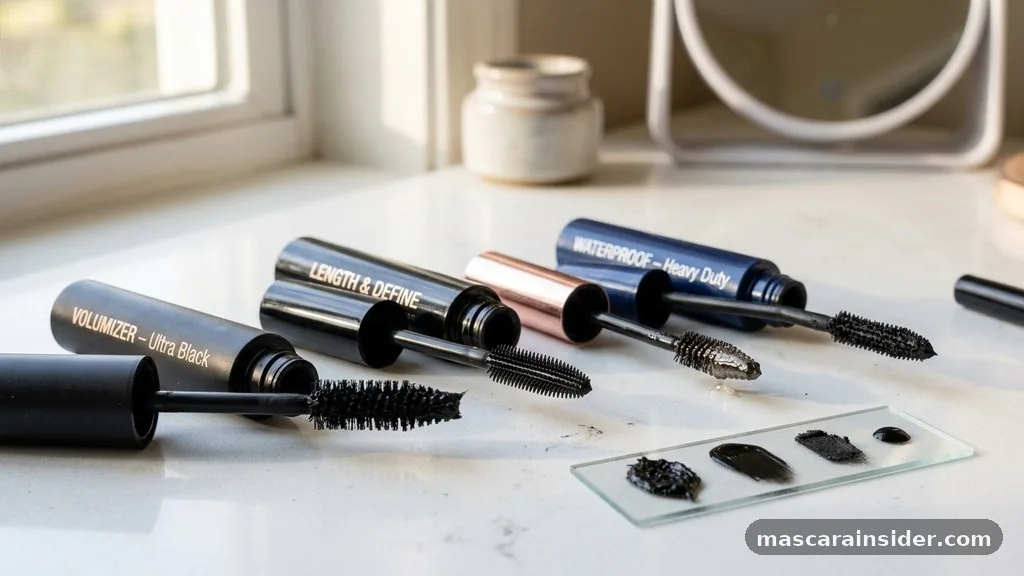
The period it takes for a product to set on your lashes depends heavily on the specific formulation and the environment. Most standard formulas reach a “tack-free” state within 30 to 60 seconds. However, if you are wondering how long does it take for mascara to dry completely, you must account for the viscosity of the liquid.
Thicker, fiber-heavy formulas typically require more time to settle compared to lightweight, water-based options. High humidity can also significantly extend this period, as the moisture in the air prevents the solvents within the product from evaporating efficiently.
Beyond environmental factors, the volume of product you apply plays a massive role. If you prefer a dramatic, multi-coat look, each additional layer increases the drying time exponentially. When you apply a second coat before the first has sufficiently hardened, you risk creating unsightly clumps or dragging the product off the lash entirely.
Experienced makeup artists often recommend waiting about 45 seconds between layers to ensure the base is stable. This patience ensures that your mascara application remains smooth and that your lashes don’t stick together, which is a common issue when rushing through the grooming process.
Differentiating Between Application and Formula Shelf Life
It is vital to distinguish between the drying time on your lashes and the longevity of the product inside the tube. While your makeup sets on your face in under a minute, the shelf life of the product itself is a different matter. Most manufacturers design these products to stay moist and effective for three months after opening.
Once you remove the mascara wand from the tube, you introduce air and potential contaminants, which gradually thickens the formula over time. This process is inevitable, and once the product becomes too thick or flaky, it has reached the end of its useful life.
If you find that your mascara feels dry or “stiff” immediately upon opening, it might be a quality issue or a sign of improper storage. Exposure to heat or leaving the cap loosely tightened will accelerate the evaporation of the solvents, leading to a clumpy, difficult-to-use product. Always check the PAO symbol (Period After Opening) on the packaging, which usually looks like an open jar with a number inside.
This symbol indicates how many months the product remains safe and effective. Ignoring this date can lead to bacterial growth inside the tube, which significantly increases the risk of an eye infection or persistent irritation.
Addressing Common Misconceptions About Drying
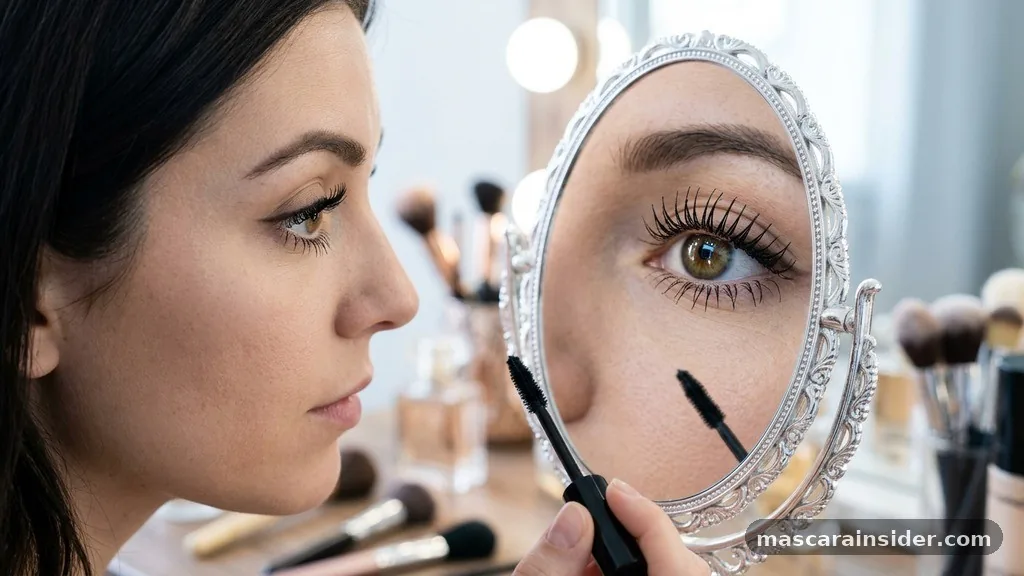
Many users search for how long does it take for mascara to dry because they struggle with smudging during the day. A common misconception is that if the product is still tacky, it is simply “bad” or needs to be discarded.
In reality, some waterproof mascara formulas are engineered with specific oils or waxes that remain flexible for hours to prevent flaking. If your lashes feel stiff or brittle, it is often a sign of a formula that has dried out prematurely or contains ingredients that aren’t compatible with your lash health.
Another frequent concern involves the use of additives to extend the life of a dried-out tube. You might have heard of adding saline solution or eye drops to “revive” a thickening formula. While this might temporarily improve the viscosity, it is generally discouraged by beauty experts.
Adding foreign liquids disrupts the preservative system of the mascara, potentially creating a breeding ground for harmful microorganisms. If your product has become significantly harder to apply, it is far safer to replace it rather than attempting to alter the chemistry of the tube. Protecting your eyes from potential contact lens irritation or infections should always be the priority over saving a few dollars on a replacement.
Best Practices for Maintaining Optimal Consistency
To ensure your mascara performs consistently from the first day to the last, you need to be mindful of how you handle the wand and the tube. Avoid “pumping” the spoolie in and out of the container, as this forces air inside and speeds up the drying process.
Instead, use a gentle swirling motion to pick up enough product for a single eye. By minimizing air exposure, you maintain the intended texture of the formula for as long as possible, ensuring that your daily eyelash makeup routine remains as efficient and effective as it was on day one.
Keeping your tools clean is just as important as the product itself. If you notice buildup on the wand, it can lead to clumpy application and uneven drying.
Periodically wiping the wand with a clean, disposable tissue can remove excess dried debris. Below is a quick comparison of how different types of mascara typically behave regarding drying and longevity.
| Mascara Type | Average Drying Time (Lashes) | Typical Shelf Life |
|---|---|---|
| Volumizing (Thick) | 60-90 Seconds | 3 Months |
| Lengthening (Thin) | 30-45 Seconds | 3 Months |
| Waterproof | 45-60 Seconds | 3-4 Months |
- Store your mascara in a cool, dark place away from direct sunlight to prevent formula breakdown.
- Always ensure the cap is tightened completely after every single use.
- Replace your mascara every three months, even if there is still product left in the tube.
- Never share your eye makeup with others to prevent the spread of bacteria.
- Use a lash primer if you find that your mascara takes too long to set or smudges easily.
Frequently Asked Questions
What happens if I leave mascara on for two days?
Leaving mascara on for two days increases the risk of eye infections, lash breakage, and irritation.
Does mascara dry out if you don’t open it?
Unopened mascara generally stays fresh for up to two years, provided it is stored in cool conditions.
How long should a mascara last?
You should replace your mascara every three months to prevent bacterial buildup and ensure optimal formula quality.
How do I know if my mascara is dry?
If the formula appears clumpy, smells unusual, or flakes off shortly after application, it is likely dry.
Can I use water to fix dry mascara?
Do not add water or other liquids, as this compromises the preservative system and promotes bacterial growth.
Does humidity affect how fast mascara dries?
Yes, high humidity slows down the evaporation process, causing mascara to remain tacky for a longer period.
Is it safe to use expired mascara?
No, using expired mascara is unsafe because the preservatives have degraded, significantly increasing the risk of infection.
When you consider how long does it take for mascara to dry, you gain better control over your daily beauty regimen. By respecting the chemical nature of your products and following best practices for storage and application, you ensure that your lashes remain healthy and perfectly coated. Remember that the drying time on your lashes is merely the first step; maintaining the integrity of the product inside the tube is the secret to a long-lasting, clump-free look.
If you notice your mascara becoming difficult to work with, don’t hesitate to refresh your kit. Prioritizing quality and hygiene will always yield the best results for your eyes. Feel free to reach out with any other questions about perfecting your lash routine.


