

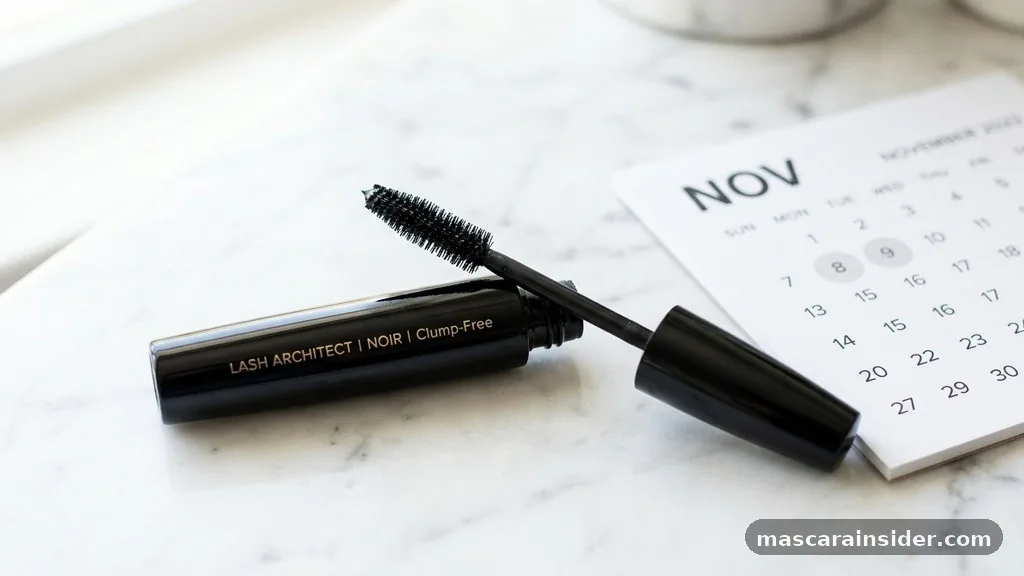
Knowing how often should you change mascara is a critical aspect of maintaining eye health that many people overlook. While it is tempting to hold onto a favorite tube until every last drop is gone, your lash-defining product is a prime environment for microscopic hazards.
By understanding the timeline for replacement and the risks of holding onto expired items, you can avoid unnecessary irritation and infections. This guide breaks down the science behind product longevity and provides the essential steps for keeping your beauty routine safe and sanitary.
Understanding the Shelf Life of Mascara
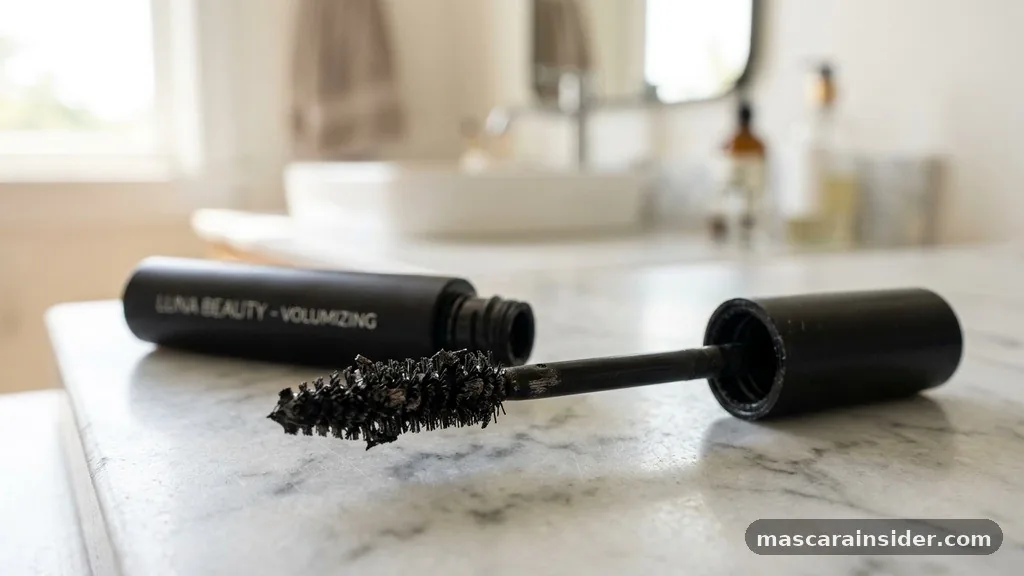
Deciding how often should you change mascara comes down to the fundamental biology of product degradation. Most dermatologists and cosmetic chemists agree that you should replace your mascara every three months. This timeframe is not an arbitrary marketing tactic designed to make you spend more money; it is a safety standard based on the physics of the container.
Every time you pull the applicator out, you introduce oxygen and airborne bacteria into the tube. Over time, this constant exposure causes the formula to dry out and lose its original protective qualities.
Once you open a new tube, the clock starts ticking immediately. The shelf life of eye products is significantly shorter than that of powders or lip products because of the moist, dark environment inside the container. This warmth and humidity provide the perfect breeding ground for microorganisms.
Even if the product smells fine and looks normal, it may already be hosting a colony of bacteria that can compromise your ocular health. Following the PAO symbol (Period After Opening) found on the packaging is your best defense against using compromised cosmetics.
The Risks of Bacterial Growth in Cosmetics
The primary reason for strict replacement cycles is the risk of bacterial growth within the tube. Your eyes are incredibly sensitive, and they lack the robust barrier protection that the skin on your hands or legs possesses. When you apply old, contaminated product, you are essentially painting your lash line with a potential pathogen culture.
Common bacteria like Staphylococcus aureus can easily thrive in the residual moisture of a mascara wand. Once these bacteria enter the eye, they can trigger a range of uncomfortable and painful reactions.
Using expired eye makeup is a leading cause of conjunctivitis, commonly known as pink eye. Symptoms of an ocular infection include persistent redness, itching, swelling, and a discharge that can lead to blurred vision. Beyond active infections, you might experience chronic eye irritation that makes your eyes feel gritty or fatigued at the end of the day.
Because the eye area is so vascular, these infections can escalate quickly. By sticking to a strict three-month replacement schedule, you eliminate the primary vector for these common but preventable cosmetic-related health issues.
Signs Your Mascara Has Expired
Even if you haven’t reached the three-month mark, your product may signal that it is time for a change. Learning to recognize the physical signs of product oxidation and degradation is a vital skill for anyone concerned with cosmetic safety. One of the most obvious indicators is a change in the product’s texture.
If the formula begins to clump, flake, or become thick and “gummy” in the tube, it has likely lost its structural integrity. This is often a sign that the preservatives in the formula have broken down and can no longer prevent microbial proliferation.
Another major red flag is a noticeable change in scent. Fresh mascara usually has a very mild, neutral, or slightly chemical smell. If your tube starts to emit a sharp, sour, or “off” odor, you should discard it immediately.
This smell often indicates that the chemical composition has shifted, potentially due to bacterial contamination or extreme temperature fluctuations. You should also pay attention to how the product performs on your lashes. If it starts flaking off within an hour of application or causes your lashes to stick together in clumps, it is time to move on to a fresh tube.
| Indicator | What It Means | Recommended Action |
|---|---|---|
| Texture change (clumping) | Formula breakdown/oxidation | Replace immediately |
| Sour or sharp odor | Bacterial contamination | Discard immediately |
| Eye irritation/redness | Possible infection or sensitivity | Stop use and clean brushes |
| Reached 3-month mark | End of effective shelf life | Replace as a precaution |
Best Practices for Makeup Hygiene
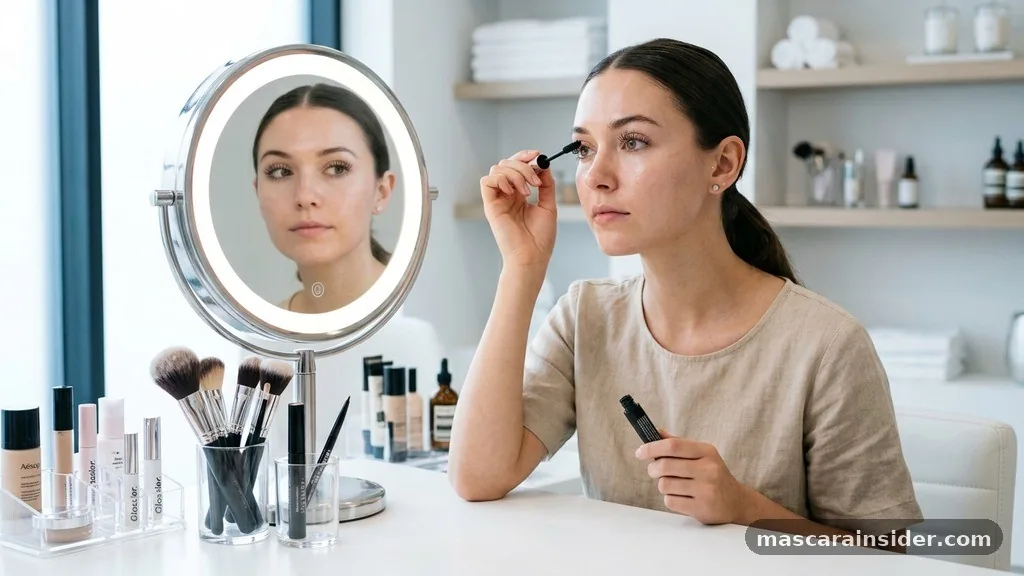
Beyond just knowing how often should you change mascara, you must adopt better habits to protect your makeup hygiene. Many people inadvertently shorten the life of their products through improper handling. One of the most common mistakes is “pumping” the mascara wand in and out of the tube.
This action forces air into the container, which accelerates the oxidation process and dries out the product much faster than intended. Instead of pumping, gently swirl the wand inside the tube to pick up the desired amount of product.
You should also be mindful of your storage environment. Avoid keeping your makeup in the bathroom, where humidity from showers and temperature swings can degrade the formula. A cool, dry drawer away from direct sunlight is the ideal home for your cosmetics.
Furthermore, never share your eye makeup with others. Sharing brushes or wands is the fastest way to transmit bacteria between individuals, which can lead to rapid-onset infections. If you do happen to have an eye infection, throw away every eye product you were using at the time of the infection to prevent reinfection.
- Avoid pumping the wand to prevent air from entering the tube.
- Store your cosmetics in a cool, dry place away from direct sunlight.
- Never share your eye makeup with friends or family members.
- Always wash your hands thoroughly before applying any eye products.
- Remove all eye makeup every night with a gentle, non-irritating cleanser.
- Keep your makeup brushes and lash curlers sanitized regularly.
- Discard any product used during a recent bout of pink eye.
Addressing Common Myths and Misconceptions
Many users wonder if it is truly necessary to replace these products so frequently, leading to several persistent myths. A common question is whether you can use mascara for two years if it still seems “wet.” The answer is a definitive no.
Even if a product appears functional, the chemical shelf-life indicator and the effectiveness of the preservatives have long since expired. Using a product that old is essentially inviting a bacterial colony to reside on your lash line, regardless of how the product feels during application.
Another misconception is that “natural” or “organic” mascaras last longer because they don’t contain synthetic chemicals. In reality, these products often lack the robust preservatives found in conventional brands, which means they may actually be more susceptible to bacterial contamination. You should be even more vigilant with natural formulas, as they are often more prone to spoilage.
Some people also worry that wearing mascara on lower lashes might cause premature aging due to pulling or rubbing. While the act of rubbing the eyes is certainly bad for the delicate skin, the product itself is not the culprit; it is the friction. Using a gentle, easy-to-remove formula can help mitigate this risk, ensuring you maintain a healthy lash line without causing damage to the surrounding skin.
Maintaining Optimal Eye Health
Ultimately, your approach to eye beauty should prioritize health over convenience. Understanding how often should you change mascara is a small but powerful step toward long-term wellness.
By setting a reminder on your calendar every three months, you remove the guesswork and ensure that you are always using a clean, effective, and safe product. Remember that your eyes are irreplaceable, and the cost of a new tube of mascara is negligible compared to the discomfort and potential cost of treating a serious eye infection.
Take a moment to audit your current makeup bag today. If you cannot remember when you opened a specific tube, it is safer to discard it and start fresh. Consistent habits, such as cleaning your lash curler and avoiding double-dipping, will further protect your eyes.
Making these minor adjustments to your daily routine will keep your eyes looking bright and healthy for years to come. If you have any lingering concerns about sensitivity or chronic irritation, don’t hesitate to consult an optometrist or a dermatologist for personalized advice.
Can I use mascara for 2 years?
No, you should never use mascara for two years; it should be replaced every three months maximum.
Does mascara on lower lashes age you?
No, but the friction caused by rubbing during application or removal can irritate the delicate eye skin.
What mascara is healthiest for your eyelashes?
Look for formulas free of harsh parabens and fragrances, and always prioritize products from reputable brands.
What happens if I leave my mascara on for 2 days?
Leaving it on for two days increases the risk of eye infections, clogged follicles, and skin irritation.
How often should you change eyeliner?
Liquid eyeliners should be changed every three months, similar to mascara, to prevent bacterial growth.
How often should you replace eyeshadow?
Powder eyeshadows can last up to two years, but cream-based shadows should be replaced every six months.
Is it safe to share mascara with a friend?
No, sharing mascara is a major cause of cross-contamination and the spread of bacterial eye infections.


