

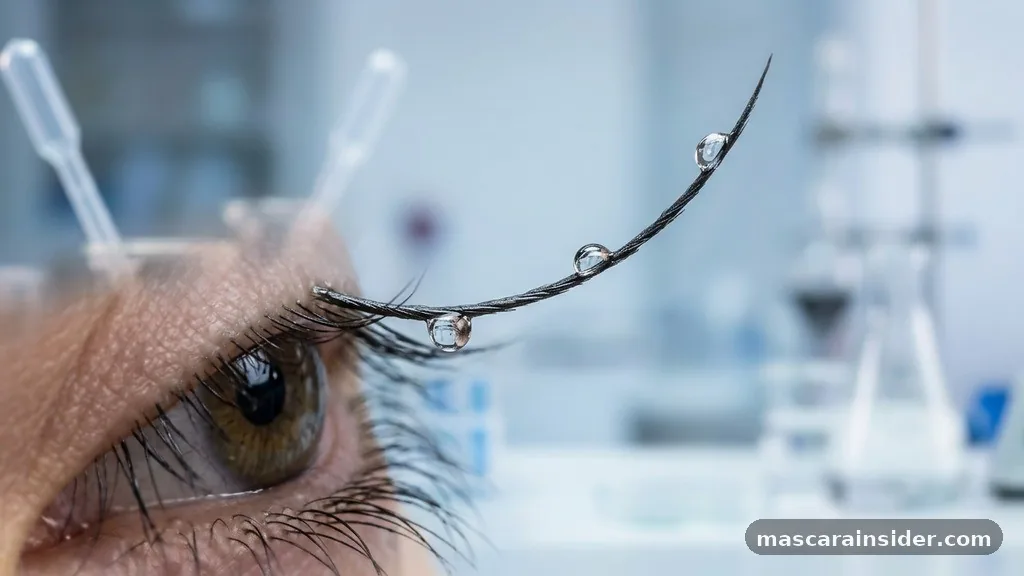
Deciding whether or not to incorporate long-wear products into your routine often brings up the question of whether is waterproof mascara bad for you. While these formulas offer smudge-proof convenience during humid days or intense workouts, they require a more rigorous removal process that can impact your delicate eye area.
Understanding the balance between convenience and long-term lash health is essential for anyone who wears makeup daily. By examining the specific waterproof mascara ingredients and the physical toll of removal, you can determine if the benefits outweigh the potential risks to your natural lashes and the surrounding skin.
The Mechanics of Waterproof Formulas
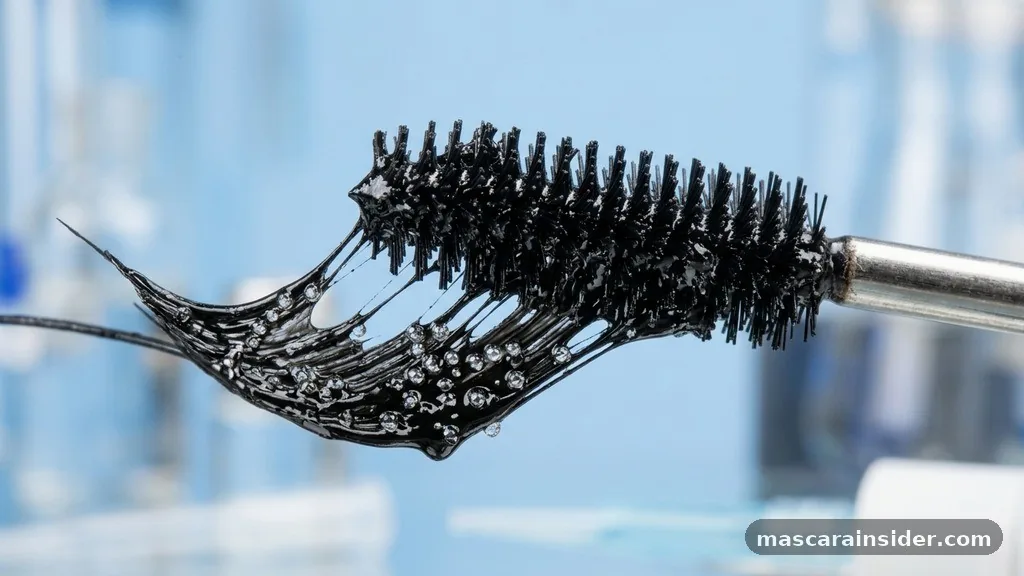
Waterproof products rely on specific chemistry to resist moisture, sweat, and tears. Most manufacturers utilize a polymer coating that wraps around each individual lash, creating a flexible, water-resistant film.
This film prevents the pigment from bleeding or running when exposed to liquids, which is why it remains a favorite for weddings, beach days, or high-humidity climates. However, this same durability makes it notoriously difficult to dissolve with standard water-based cleansers.
Because these formulas are designed to stay put, they effectively “lock” onto the hair shaft. This creates a barrier that is resistant to traditional soap and water.
The necessity of using a specialized oil-based makeup remover is a direct consequence of this chemical structure. If you attempt to remove the product without the proper solvent, you are essentially trying to break down a synthetic shield using ineffective methods, which often leads to tugging and pulling.
The Impact of Mechanical Friction
The primary concern regarding whether is waterproof mascara bad for you often centers on the physical process of removal rather than the formula itself. Mechanical friction is a significant cause of eyelash breakage. When you rub your eyes aggressively to dissolve stubborn pigments, you place unnecessary tension on the lash follicle. Over time, this repetitive stress can cause lashes to become brittle or snap off prematurely.
Consistent irritation to the eyelid margin can also lead to inflammation. The delicate skin around the eyes is the thinnest on the body, making it susceptible to damage from harsh scrubbing.
Using a cotton pad soaked in an effective oil-based remover is the gold standard for minimizing this friction. By allowing the oil to sit on the lashes for thirty seconds, you dissolve the waterproof formula chemically, allowing it to slide off without requiring physical force.
Potential Risks to Ocular Health
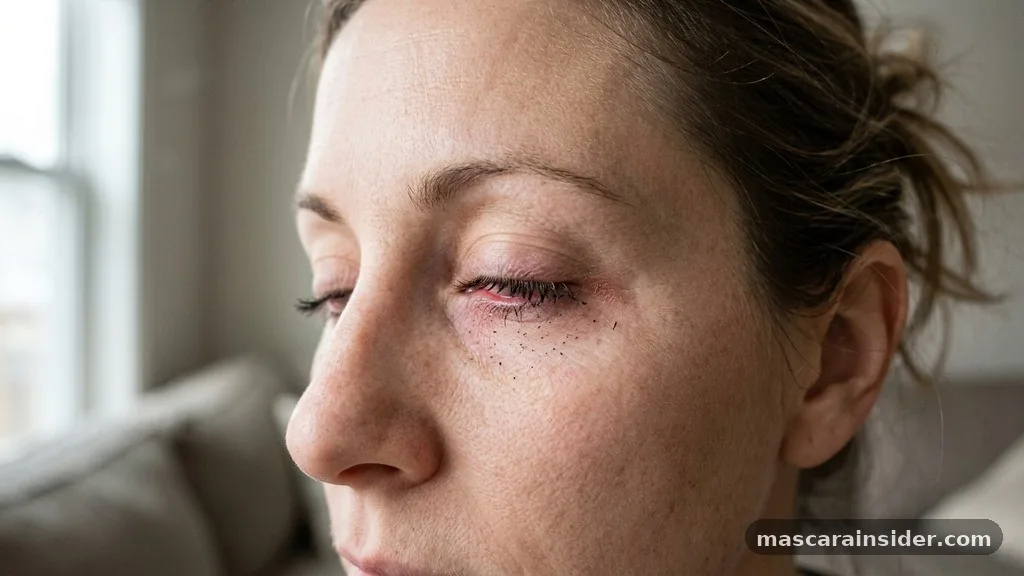
Beyond the condition of your lashes, there are legitimate concerns regarding ocular irritation. Ingredients used to keep mascara waterproof, such as isododecane or specific waxes, can sometimes cause sensitivity if they flake into the eye or if residues remain after cleansing. Improper lash hygiene is a common issue for those who use long-wear products, as leftover buildup can clog the meibomian glands along the lash line.
When these glands become blocked, it can contribute to a sensation of dryness or general discomfort. Cosmetic ophthalmology experts often suggest that individuals prone to styes or blepharitis should be particularly cautious with heavy, water-resistant layers. If you notice persistent redness, itching, or a gritty feeling after wearing makeup, it might be a sign that your current product or your removal technique is disrupting the natural environment of your eye.
Maintaining Lash Health and Longevity
If you love the look of waterproof products, you do not necessarily have to abandon them, provided you prioritize a recovery routine. Incorporating a lash conditioner or a high-quality lash serum into your nightly regimen can help fortify the hair against the stresses of daily wear. These treatments provide essential moisture and nutrients, helping to counteract the drying effects of long-wear polymers.
It is also wise to cycle your products. Using waterproof mascara only for special occasions while sticking to a more gentle, water-washable formula for daily wear can significantly reduce the cumulative stress on your lashes. This “rotation” strategy helps prevent the chronic dryness associated with constant exposure to strong solvents.
| Feature | Waterproof Mascara | Water-Soluble Mascara |
|---|---|---|
| Removal Difficulty | High (Requires Oil) | Low (Soap & Water) |
| Lash Stress | Higher (Friction-prone) | Lower |
| Longevity | Superior (All-day) | Moderate |
| Best For | Humidity/Water | Daily/Office Use |
Addressing Common Misconceptions
Many users worry that waterproof mascara causes permanent eyelash shedding, but it is important to distinguish between natural hair cycles and damage-induced loss. Everyone sheds lashes daily as part of the natural growth cycle. However, if you notice an uptick in shedding that coincides with heavy makeup use, it is almost always due to the physical trauma of removal rather than the product itself.
- Always use a dedicated bi-phase or oil-based remover to break the bond.
- Never pull or tug at your lashes while they are damp or coated in product.
- Replace your mascara every three months to prevent bacterial growth and formula degradation.
- Consider a lash primer to act as a buffer between your natural lashes and the waterproof coating.
- If you have sensitive eyes, look for “tubing” mascaras that offer water resistance without the need for harsh oils.
What is the healthiest approach to long-wear makeup?
The healthiest approach involves prioritizing gentle removal techniques and using nourishing serums to support the hair shaft.
Does waterproof mascara cause permanent lash loss?
It does not cause permanent loss, but poor removal habits can lead to breakage, making lashes appear thinner.
Is it safe to wear waterproof mascara every single day?
While not inherently dangerous, daily use increases the risk of mechanical damage and potential ocular irritation from residue.
How do I know if my mascara is causing eye irritation?
Signs include redness, persistent itching, a gritty sensation, or the feeling of a foreign object in the eye.
Can I use micellar water for waterproof formulas?
Standard micellar water is often insufficient; you need a formula specifically designed to dissolve waterproof polymers.
Are there ingredients I should avoid in mascara?
Avoid products with excessive fragrances or preservatives if you have a history of sensitive eyes or contact lens wear.
Does using a lash serum really help?
Yes, high-quality serums strengthen the lash cuticle, making them more resilient against the friction of makeup removal.
When considering if is waterproof mascara bad for you, the answer lies in your daily habits rather than the product bottle itself. By using the right tools to remove the product and giving your lashes time to recover, you can enjoy the benefits of a smudge-free look without compromising your eye health. Maintaining a clean lash line and using nourishing conditioners will help you keep your lashes thick, healthy, and resilient regardless of the formula you choose.
If you’re currently experiencing any irritation, try swapping to a gentler alternative for a few weeks to let your eyes recalibrate. Feel free to reach out if you have more questions about specific ingredients or routines!


