

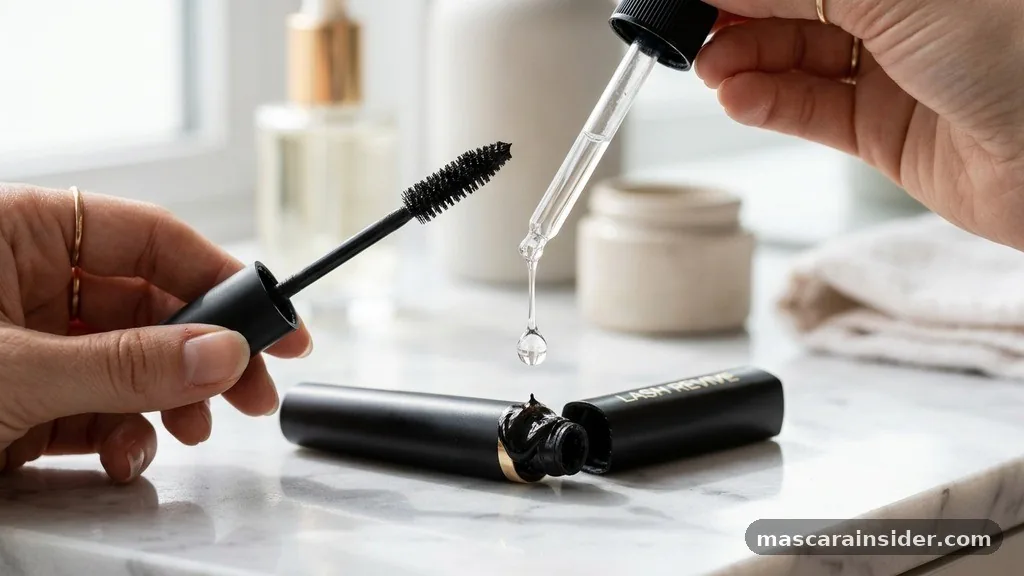
Finding your favorite tube of mascara has become a thick, clumpy mess right when you need it most is frustrating. Instead of tossing it immediately, there are several effective techniques for reviving mascara that can restore its smooth application. Whether the product has simply sat for too long or has been exposed to too much air, these methods can help you get a few extra uses out of your makeup.
Restoring Texture with Simple Liquid Additives
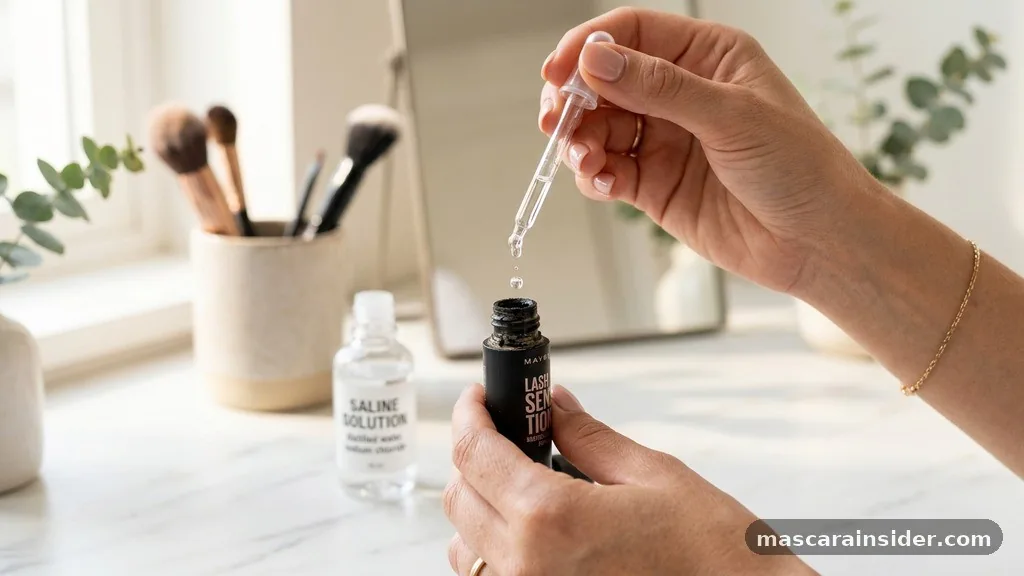
The most common reason for a clumpy formula is the evaporation of the liquid components that keep the product smooth. When you notice the consistency thickening, you can often reintroduce moisture to bring the product back to life.
Using a few drops of saline solution is a widely recommended trick because it is gentle and often mimics the natural moisture of the eye. Simply add two or three drops into the mascara tube, insert the mascara wand, and swirl it gently to incorporate the liquid.
Another popular option is using micellar water. Because many formulas are designed to be removed with these types of gentle cleansers, a drop or two can break down the dried pigments without compromising the integrity of the product. Avoid using tap water, as it may introduce contaminants.
Always be cautious with the amount of liquid you add, as over-diluting the mixture can lead to a runny application that smudges easily throughout the day. Start with the smallest amount possible and test the texture on the back of your hand before applying it to your lashes.
Using Heat to Liquify Dried Product
Sometimes the issue isn’t a lack of moisture but rather the hardening of the waxes and oils within the tube. A warm water bath is an excellent, non-invasive way to soften the contents without adding any foreign substances to the formula. To do this, fill a small glass or mug with hot water—not boiling, as excessive heat can warp the plastic or degrade the chemical stabilizers—and place the sealed tube inside for about five minutes.
The heat gently warms the waxes inside, allowing the product to loosen and coat the wand more evenly. This method is particularly effective for high-end or thicker formulas that rely on specific waxes for volume and hold.
After the soak, shake the tube vigorously to ensure the product is well-mixed from the bottom to the top. This technique is often safer than adding liquids because it preserves the original balance of the preservative system, ensuring that you aren’t accidentally creating an environment where microorganisms can thrive.
Understanding Safety and Expiration Limits
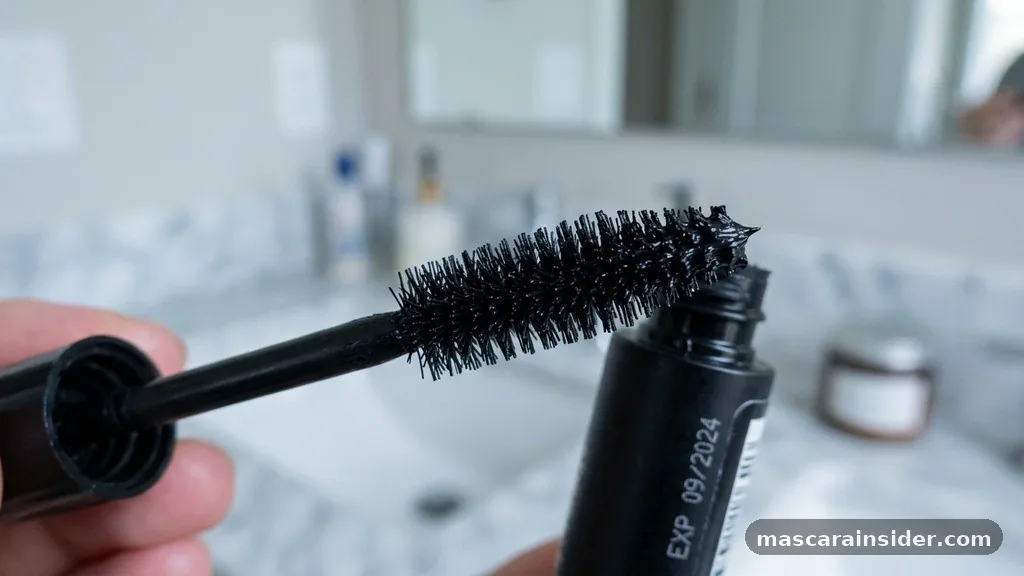
While it is tempting to squeeze every last drop out of your beauty products, you must prioritize eyelash hygiene above all else. Mascara is one of the most common vectors for eye infections because the wand constantly travels between your lashes and the dark, moist interior of the container. Every time you pump the wand, you push air and potential debris into the tube, which accelerates the bacteria buildup inside.
Most experts, including the average ophthalmologist approved brand, suggest that the typical shelf life of an open tube is only three months. If your mascara is older than this, no amount of reviving will make it safe to use.
Signs that you should discard the product immediately include a change in scent, a significant color shift, or if the product causes any eye irritation or redness upon application. Never attempt to revive a product that has clearly reached its true expiration date, as the preservatives are likely no longer active, leaving you vulnerable to infection.
Comparing Reviving Techniques
Choosing the right method depends on the type of formula you are using and how far gone the product has become. While some quick fixes work wonders, others might be too harsh for certain sensitive formulas. The following table compares common methods for restoring your makeup tools.
| Method | Best For | Risk Factor |
|---|---|---|
| Warm Water Bath | Waxy/Thick Formulas | Low |
| Saline Solution | Mildly Dried Product | Low |
| Micellar Water | Water-based Formulas | Medium |
| Oil-based Solvents | Waterproof Mascara | High |
When dealing with waterproof mascara, you must be extra careful. These formulas are specifically engineered to resist moisture, meaning simple water-based additives like saline will likely fail to mix properly.
If you must attempt a fix, you would theoretically need oil-based solvents, but these often destroy the waterproof properties entirely. In most cases, if a waterproof formula has dried out, it is better to replace it rather than risking an ineffective, clumpy result that ruins your eye makeup look.
Addressing Common Hurdles in Mascara Maintenance
One frequently overlooked aspect of maintaining your makeup is the condition of the wand itself. Over time, dried product accumulates on the bristles, creating a stiff, spiky applicator that deposits chunks of pigment onto your lashes instead of coating them smoothly. To solve this, remove the wand and clean it thoroughly with a mild makeup remover or gentle soap and warm water.
Let it dry completely before reinserting it into the tube. This simple act of cleaning can often make an old tube feel brand new without needing to add any extra moisture at all.
Additionally, avoid the common mistake of “pumping” the brush in and out of the tube to get more product. This action forces air into the container, which is the primary cause of premature drying. Instead, use a gentle swirling motion to coat the bristles.
If you find your mascara consistently dries out long before the three-month mark, consider storing it in a cool, dark place away from direct sunlight or bathroom heat. These small environmental adjustments can significantly extend the usable lifespan of your makeup, ensuring you get the most value from your purchase while keeping your eyes safe and healthy.
Frequently Asked Questions
Can I add water to my mascara to fix it?
No, adding tap water introduces bacteria and disrupts the preservative system, which can lead to eye infections.
How do I know if my mascara is expired?
If the product has a strange smell, feels clumpy, or causes any irritation, it has likely expired.
Is it safe to use saline solution in mascara?
Yes, a few drops of sterile saline are generally safe as they are compatible with the eye area.
Should I use oil to revive my mascara?
Avoid using oils like almond or castor oil, as they can ruin the formula and cause smudging issues.
How often should I replace my mascara?
You should replace your mascara every three months to prevent the growth of harmful bacteria and mold.
Can I fix waterproof mascara with water?
No, waterproof formulas are designed to repel water, so adding it will not restore the product’s consistency.
Why does my mascara get clumpy so fast?
Pumping the wand into the tube forces air inside, which causes the formula to dry out and clump.
Successfully extending the life of your makeup requires a balance between resourcefulness and safety. By using gentle techniques like a warm water bath or adding a tiny amount of sterile saline, you can often restore your favorite products to their original performance. However, always remain mindful of the expiration date and any signs of degradation.
Prioritizing your eye health is far more important than saving a few dollars on a tube of makeup. If you notice persistent irritation or if the formula simply won’t return to a smooth state, it is time to retire the tube and start fresh. Keeping your applicators clean and storing your cosmetics properly will help you avoid these issues in the future and keep your lashes looking their best every single day.


