

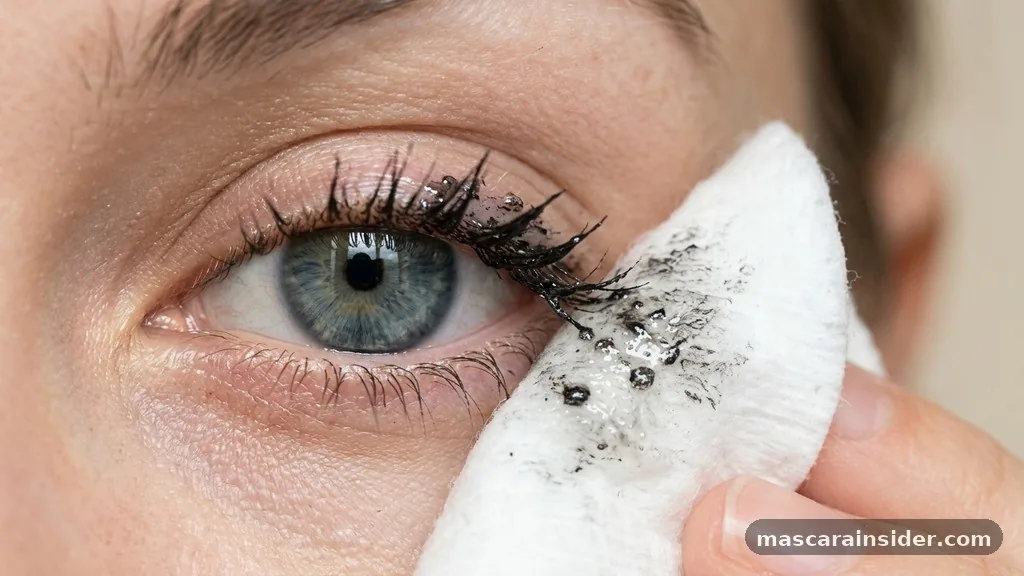
Wrestling with stubborn eye makeup at the end of a long day can feel like a chore, especially when your chosen mascara refuses to budge. Learning how do you get waterproof mascara off without damaging your delicate lashes is a vital skill for anyone who prefers a long-wear look. If you pull too hard or use the wrong products, you risk irritation and premature lash loss.
Fortunately, there are several reliable methods that dissolve even the most resilient formulas while keeping the skin around your eyes healthy and hydrated. By choosing the right approach, you can ensure your nightly routine remains quick, painless, and highly effective for your beauty regimen.
The Science of Dissolving Long-Wear Formulas
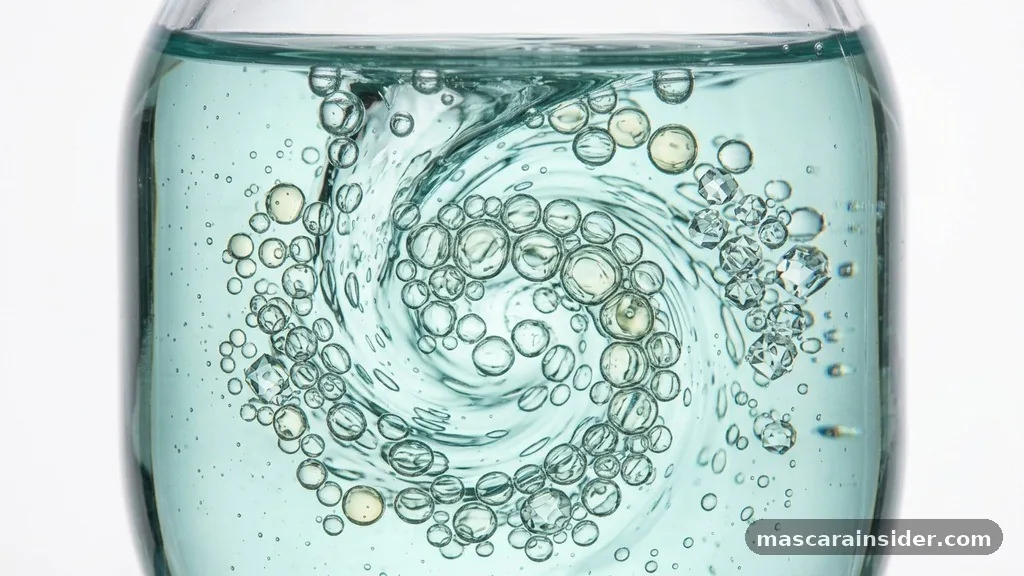
To understand how do you get waterproof mascara off, you must first recognize that these products are designed to repel water. Standard cleansers often fail because they are water-based, meaning they simply slide over the hydrophobic coating of the mascara.
A waterproof formula relies on waxes and polymers that require an oil-based cleanser or a specialized solvent to break their chemical bonds. When you apply an oil-heavy product, the lipids effectively dissolve the waxes, allowing the pigment to slide off the lash hair without the need for aggressive scrubbing or tugging.
Using the right chemistry is the secret to avoiding lash breakage. Many people mistakenly assume that a generic face wash will suffice, but relying on harsh soaps often leads to excessive rubbing. This friction is the primary cause of damage to the hair follicles.
Instead, look for products specifically formulated as an eye makeup solvent. These are designed to be high-performance yet non-stripping, ensuring the delicate eye area stays intact while the pigment is lifted away. Understanding that oil is the key to removal is the first step toward a healthier lash line.
Using Biphase Removers and Micellar Water
A biphase makeup remover is often considered the gold standard for heavy-duty eye makeup. These products consist of two distinct layers: an oil phase that dissolves the makeup and a water phase that refreshes the skin. When you shake the bottle, these phases create a temporary oil-in-water emulsion that is both potent and gentle.
To use this effectively, saturate a soft cotton pad with the solution and hold it against your closed eyelid for about thirty seconds. This “soak” time is crucial; it allows the solvent to penetrate the layers of mascara so you can wipe it away in one smooth motion.
If you prefer something lighter, micellar water can work, provided it is specifically labeled for waterproof makeup. These formulas contain tiny oil molecules called micelles that act like magnets for dirt and pigment. While standard micellar water might struggle with heavy-duty formulas, the waterproof versions are fortified with extra conditioning agents.
Always remember to use a gentle touch. Even with the best product, pressing too hard or wiping back and forth can cause long-term strain on your eyelids. Always wipe in a downward motion following the natural direction of your lashes to minimize mechanical stress.
Natural Alternatives Found in Your Home
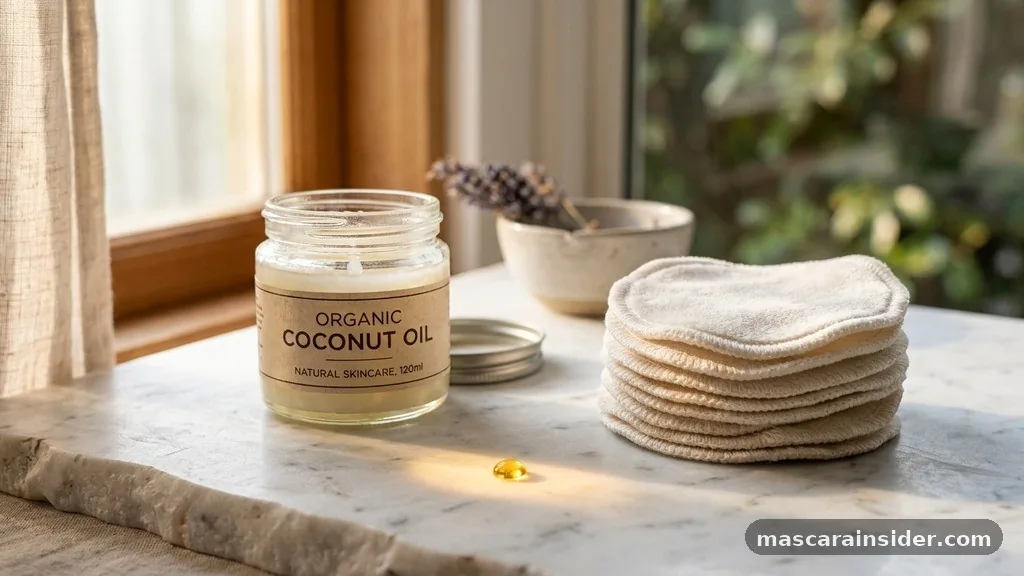
Many people wonder if they can manage the process using common household items. Petroleum jelly is a popular, cost-effective choice for breaking down stubborn pigments. Because it is highly occlusive and oil-rich, it softens the mascara effectively, making it easy to wipe away with a damp cloth.
Similarly, natural oils like jojoba oil or coconut oil are excellent for those with sensitive skin. These plant-based oils not only remove the product but also provide a conditioning treatment to the lashes, potentially preventing them from becoming brittle over time.
However, there is a catch when using household oils. You must be careful to avoid getting pure oils directly into your eyes, as this can cause temporary cloudiness or irritation. Castor oil is frequently recommended for its conditioning properties, but it is quite thick and can be difficult to rinse off completely.
If you choose to use natural oils, always follow up with a mild foaming cleanser to ensure all residue is removed from the skin. Leaving oil behind can sometimes clog pores near the lash line, so thoroughness is just as important as the choice of solvent itself.
Addressing Common Removal Challenges
One of the most frequent issues users face is the “panda eye” effect, where residue remains underneath the lower lashes. This usually happens when the oil cleansing method is done too quickly. To solve this, take a clean cotton swab dipped in your chosen oil or remover and carefully trace the lash line.
This targeted approach ensures that every bit of pigment is addressed without forcing you to scrub the surrounding skin. If you find that your lashes feel stiff after removal, it is a sign that you aren’t using enough solvent or your product isn’t strong enough to fully break the bond.
Another common gap in many routines is the failure to cleanse the base of the lashes. Mascara often clumps at the root, which can lead to inflammation if left overnight. By using a clean spoolie brush lightly coated in an oil-based cleanser, you can gently comb through the lashes to remove hidden clumps.
This step is particularly helpful for those who apply multiple coats. Remember, the goal is gentle cleansing that leaves the area feeling clean but not tight or dry. If your skin feels stripped after your routine, your cleanser might be too harsh for the sensitive tissue around your eyes.
| Removal Method | Best For | Key Benefit |
|---|---|---|
| Biphase Remover | Heavy, layered mascara | Fast, efficient, non-greasy |
| Micellar Water | Light waterproof looks | Quick, no rinsing required |
| Coconut/Jojoba Oil | Sensitive skin users | Conditioning and natural |
| Petroleum Jelly | Stubborn, dried-on pigment | Inexpensive and effective |
Frequently Asked Questions
Does petroleum jelly effectively remove waterproof mascara?
Yes, it is excellent at breaking down wax-based waterproof formulas, though it requires careful removal afterward.
Why won’t my waterproof mascara come off easily?
You are likely using a water-based cleanser, which cannot dissolve the hydrophobic polymers in the formula.
Can I remove waterproof mascara without causing lash breakage?
Yes, by using an oil-based product and letting it sit for thirty seconds to dissolve the pigment.
Is it safe to use coconut oil near my eyes?
It is generally safe, but ensure it is pure and wash it off thoroughly to avoid clogged pores.
What is the best way to clean the lower lash line?
Use a cotton swab dipped in an oil-based solvent to gently trace the base of the lashes.
Does micellar water work on all waterproof mascaras?
Only if the bottle explicitly states it is designed for waterproof makeup, as standard versions lack solvents.
Should I rub my eyes to get the mascara off?
No, rubbing causes significant mechanical damage, leading to lash loss and irritation of the delicate eye area.
The secret to maintaining healthy, long lashes lies in how you approach your nightly cleanup. By embracing the power of oils and allowing your chosen product enough time to work, you can remove even the most stubborn waterproof formulas without causing harm. Prioritize gentle, consistent techniques over aggressive scrubbing to keep the skin around your eyes looking fresh and vibrant.
If you find your current method leaves you with dry or irritated skin, don’t be afraid to experiment with different oil-based cleansers until you find the perfect match for your skin type. Taking these extra moments each night will pay off in the long run, ensuring your lashes remain strong and your eyes stay comfortable. Now that you have these tools, you can wear your favorite long-wear mascara with total confidence.


