

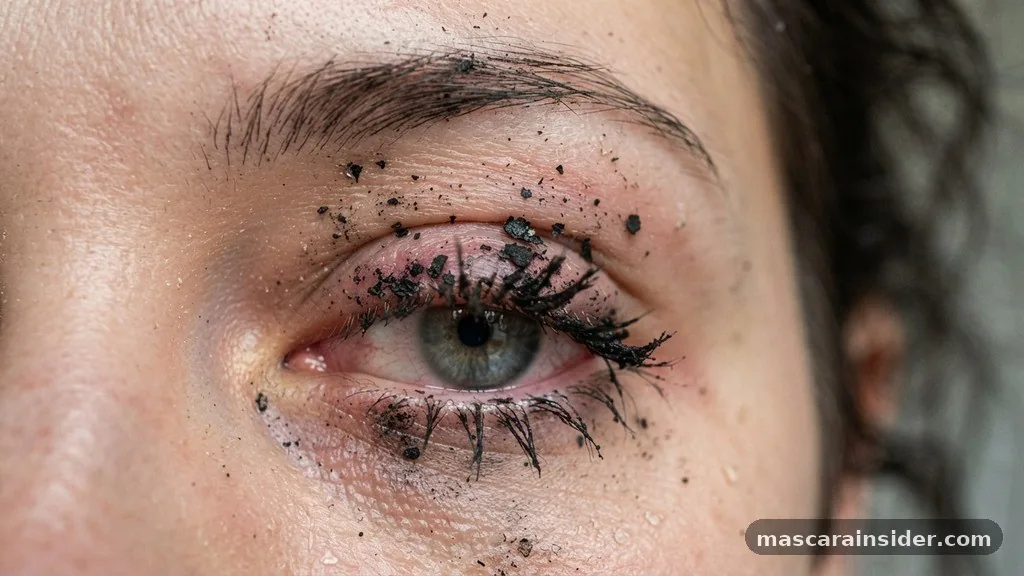
Falling into bed after a long day often makes skipping your skincare routine feel tempting, but understanding what happens if you sleep with mascara on reveals why this habit is a major beauty mistake. Leaving cosmetic residue on your eyes overnight does more than just smudge your pillowcase; it compromises the delicate health of your lids and lashes.
From potential ocular irritation to long-term structural damage, the consequences of skipping your nightly cleanse are far-reaching. By examining the biological impact of trapped pigments and chemical binders, you can better appreciate the necessity of proper hygiene for maintaining both eye health and the natural beauty of your eyelashes.
The Immediate Impact of Trapped Pigments on Eyelid Health
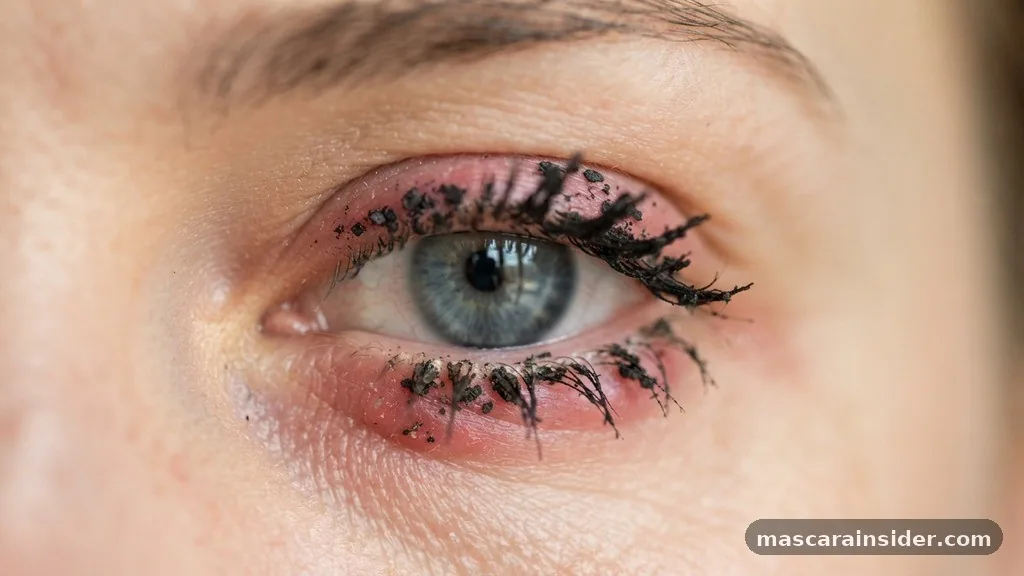
When you leave mascara on overnight, you are essentially trapping debris, pollutants, and chemical compounds against the skin for six to eight hours. The skin around your eyes is the thinnest on the body, making it exceptionally sensitive to foreign substances.
Mascara formulas often contain waxes, oils, and synthetic polymers designed to harden and grip the hair shaft. When these substances remain on the lashes, they prevent the skin from breathing and shedding dead cells effectively.
This entrapment frequently leads to follicle clogging, which can manifest as small, painful bumps along the lash line known as styes or hordeolums. These occur when the oil glands become blocked by a combination of hardened makeup and natural sebum.
Once these glands are obstructed, the natural oils that usually lubricate the eye cannot flow freely. This disruption creates a breeding ground for bacteria, which thrive in the warm, moist environment created by the barrier of dried cosmetic product.
Beyond the physical obstruction, the chemical components in many mascaras—such as petroleum distillates—can cause localized inflammation. If you have sensitive skin, you might wake up with red, puffy, or itchy eyelids.
This is the body’s way of signaling that the skin barrier has been breached or irritated by external agents. Ignoring these signs by repeatedly sleeping in makeup can lead to chronic sensitivity, turning a simple nightly mistake into a recurring dermatological concern that requires professional intervention to soothe.
Mechanical Stress and Eyelash Breakage
The structural integrity of your lashes suffers significantly when they are coated in hardened product while you sleep. Mascara is designed to stiffen the lashes to provide volume and length, but this rigidity is exactly what makes them vulnerable during the night.
As you toss and turn, your eyelashes rub against your pillowcase. Because the mascara has made them brittle rather than flexible, they are far more likely to snap under the friction of fabric.
This process is a primary cause of eyelash breakage, which thins out your lash line over time. While the hair may grow back, the repeated cycle of hardening and breaking prevents them from reaching their full potential length.
Furthermore, if you rub your eyes upon waking, the hardened, crusty lashes can be pulled out prematurely from the follicle. This mechanical trauma weakens the root, potentially leading to sparse or patchy growth that takes months of conditioning with a quality lash serum to reverse.
It is helpful to consider the physical state of your lashes as similar to hair treated with heavy styling gel. If you were to leave hairspray or gel in your hair for several days without washing it, the strands would become tangled, dry, and brittle.
Eyelashes are no different; they require a clean environment to remain supple and healthy. By removing your makeup every night, you allow the lashes to remain soft and flexible, reducing the likelihood of mechanical damage during your sleep cycle.
Disruption of the Meibomian Glands
Your eyes rely on a complex system of glands to maintain a healthy surface. The meibomian glands, located along the rim of the eyelids, produce the essential oils that make up the outer lipid layer of your tear film.
This layer is critical because it prevents your tears from evaporating too quickly. When you leave mascara on, especially near the waterline, you risk physically blocking the openings of these crucial glands.
When these glands are obstructed, the quality of your tears diminishes. You may experience symptoms of dry eye syndrome, such as a gritty or burning sensation, even if you are well-hydrated. If the blockage persists, it can lead to a condition known as meibomian gland dysfunction.
This not only causes discomfort but can also lead to chronic inflammation that alters the composition of your eye moisture. The long-term result is a compromised ocular surface that feels perpetually dry and irritated.
Maintaining clear gland openings is essential for anyone who wears eye makeup regularly. By ensuring that no residue remains on the lid margins at night, you allow these glands to function as intended during your sleep.
This simple act of hygiene preserves the delicate balance of your tear film, which is the first line of defense against environmental pollutants and irritants. Protecting this function is vital for long-term eye comfort and health, especially as you age and natural oil production begins to decline.
The Elevated Risk of Conjunctivitis
Sleeping with eye makeup significantly increases the risk of developing conjunctivitis, commonly known as pink eye. This condition, which involves the inflammation of the thin, transparent layer of tissue covering the white part of the eye, is often triggered by bacterial infection. Mascara wands are a known reservoir for bacteria, and once that bacteria is transferred to your lashes, it sits there for hours if not washed away.
As you sleep, your eyes naturally move and produce secretions. If there is a layer of contaminated makeup sitting right at the lash base, it is very easy for those pathogens to migrate into the eye itself.
The secondary bacterial infection that follows can cause redness, discharge, and significant irritation. While many cases of bacterial conjunctivitis are treatable with antibiotic drops, they are painful and highly contagious, requiring you to discard all your current eye makeup to prevent re-infection.
Prevention is far easier than treating an active infection. A consistent nightly routine using a gentle, effective makeup remover is your best defense against the accumulation of eye-borne pathogens.
If you find your eyes frequently red or crusty in the morning, it is a strong indicator that your current cleaning routine is insufficient. Transitioning to a double-cleansing method—using an oil-based balm followed by a water-based cleanser—can ensure that every trace of pigment and bacteria is removed before you settle in for the night.
Specific Dangers for Contact Lens Wearers
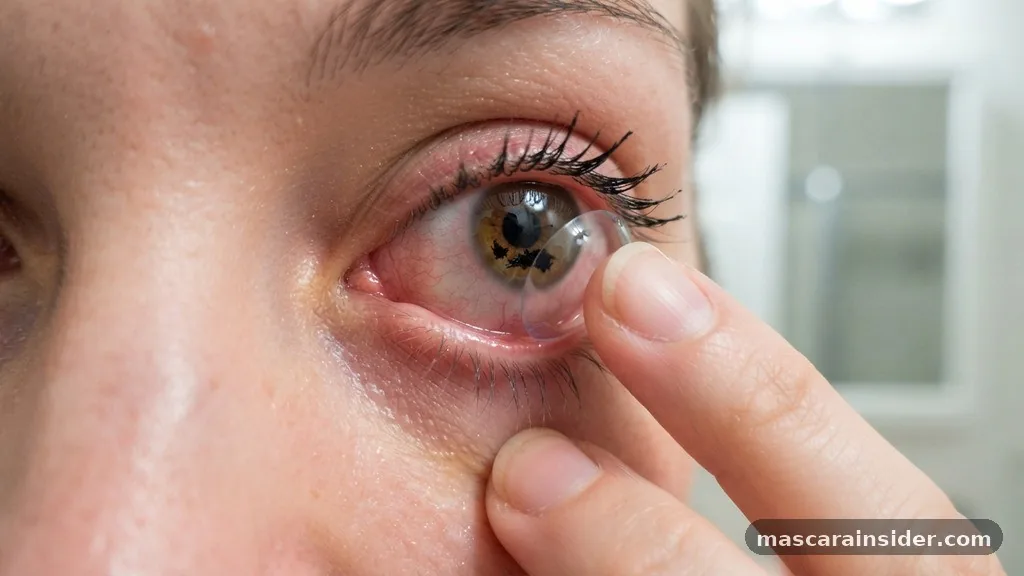
If you wear contact lenses, the stakes for sleeping in mascara are much higher. Contact lenses sit directly on the cornea, and any debris that enters the eye can become trapped between the lens and the eye surface. This creates a high-pressure environment for irritation, as the lens acts like a sponge for pigments, oils, and bacteria that may have flaked off your lashes during the night.
The primary risk for contact lens wearers is a corneal abrasion, a scratch on the surface of the eye. Because mascara particles are often hard and jagged once dried, a single flake falling into the eye can cause a painful scratch when you blink or shift your contacts. This is not just a temporary annoyance; it can lead to severe infection, as the scratch provides an entry point for bacteria to penetrate the deeper layers of the eye.
Furthermore, the chemicals in waterproof mascara can interact with the material of the lens itself. Many soft contact lenses are porous and can absorb chemicals from makeup, leading to cloudiness, discomfort, and premature degradation of the lens material.
For those who wear lenses, the rule of removing all eye makeup before sleep is non-negotiable. It is a fundamental aspect of maintaining the longevity of your lenses and, more importantly, the health of your corneas.
Addressing Topical Gaps: Why Waterproof Formulas Are Worse
Many users wonder if all mascaras are equally damaging, yet there is a distinct difference when it comes to waterproof mascara. These formulas are engineered to be resistant to water, sweat, and tears, which means they are inherently difficult to remove.
They contain heavy-duty polymers and waxes that cling to the hair shaft with significant force. When you fail to remove them, they create a much tougher, more occlusive barrier than standard formulas.
The difficulty in removing waterproof products often leads to aggressive rubbing, which causes its own set of problems. Excessive friction around the eye area can lead to premature fine lines and wrinkles.
Because the skin around the eyes is so delicate, the mechanical damage caused by trying to scrub off stubborn waterproof makeup is just as dangerous as the residue itself. This is why specialized solvents are required to break down these formulas without the need for harsh scrubbing.
Table: Comparison of Mascara Removal Methods
| Method | Effectiveness | Risk of Irritation | Best For |
|---|---|---|---|
| Water & Soap | Low | High | Standard Mascara |
| Oil-Based Balm | High | Low | Waterproof/Long-wear |
| Micellar Water | Medium | Low | Sensitive Eyes |
| Makeup Wipes | Medium | Moderate | Quick Cleansing |
Using an oil-based cleanser is the most effective way to dissolve the waxes found in waterproof products. The oil interacts with the ingredients in the mascara, loosening them so they can be wiped away gently. If you rely on waterproof formulas, investing in a high-quality oil cleanser is essential for maintaining dermatological safety and protecting your lash health.
Developing a Sustainable Nightly Routine
Creating a routine that you will actually stick to is the secret to avoiding the negative consequences of sleeping in makeup. If you often feel too tired to complete a full skincare regimen, focus on the absolute essentials.
Your priority should be the eye area, as this is where the most significant damage occurs. Keep a bottle of micellar water or a pack of gentle makeup remover pads on your nightstand as a backup for those nights when you simply cannot make it to the sink.
Consistency is more important than complexity. You don’t need a ten-step process to keep your eyes healthy; you just need to ensure that the lashes and lids are clean.
Start by saturating a cotton pad with your chosen remover and holding it over your closed eye for thirty seconds. This “soak” time allows the product to break down the mascara, meaning you won’t have to pull or tug at your lashes to remove the pigment.
* Hold the remover pad against the lashes for 30 seconds.
* Gently sweep downward to remove the bulk of the mascara.
* Use a clean cotton swab for any remaining residue at the lash line.
* Follow with a gentle facial cleanser to remove remaining oils.
* Apply a lash serum if desired to nourish the follicles.
By adopting this simple, low-effort approach, you remove the barriers that cause blepharitis and other chronic conditions. Treating your nightly cleanse as a form of self-care rather than a chore can change your perspective on the habit, making it much easier to maintain over time.
The Role of Eyelash Health and Conditioning
Once you have established the habit of removing your mascara, you may notice that your lashes feel drier or thinner due to past damage. This is where conditioning becomes vital.
Just as you use conditioner for the hair on your head, your eyelashes benefit from moisture and nutrients. Many people find that incorporating a lash serum into their nightly routine helps to restore the strength and elasticity of their lashes, especially if they have previously struggled with breakage.
Look for serums that contain peptides, biotin, or natural oils like castor oil. These ingredients help to coat the hair shaft, providing a protective barrier that keeps them flexible.
A healthy lash is one that can withstand the daily application of makeup without snapping. When you combine diligent nightly removal with proper conditioning, you create an environment where your lashes can grow to their full potential without being held back by the weight of old, dried product.
Remember that the health of your lashes is directly linked to the health of the skin from which they grow. If you are experiencing constant irritation, even after cleaning your eyes, it may be time to switch to a cleaner, hypoallergenic mascara formula.
Many modern brands focus on dermatological safety, avoiding the harsh chemicals that cause inflammation. Making the switch to a cleaner product can be a game-changer for those who are prone to sensitivity.
Long-Term Consequences of Chronic Neglect
The cumulative effect of poor eye hygiene is what leads to the most serious chronic issues. While one night of sleeping in mascara is unlikely to cause permanent damage, doing it repeatedly creates an environment where eye health slowly declines. Chronic inflammation, such as blepharitis, can result in permanent changes to the eyelid margin, including scarring or the loss of lashes.
Furthermore, the persistent blockage of oil glands can lead to a condition where the glands atrophy over time. Once these glands are lost, they do not grow back, which can lead to permanent dry eye issues that require lifelong management.
It is a sobering thought, but it highlights why this small habit of washing your face is so important for your future health. By prioritizing your eye hygiene today, you are preventing significant discomfort down the road.
Investing in your eye health is not just about aesthetics; it is about maintaining the functionality of one of your most important sensory organs. The eyes are incredibly resilient, but they are not invincible.
They require your help to stay clean, lubricated, and protected from the daily accumulation of cosmetics. By understanding what happens if you sleep with mascara on, you have the knowledge necessary to make better choices every single night.
FAQ: Common Questions About Sleeping in Mascara
Is it bad to leave mascara on for one night?
Yes, it can cause immediate irritation, clumping, and potential follicle blockage, even after just a single night.
Are eyelashes healthier without mascara?
Lashes are generally healthier without mascara because they avoid the chemical stress and physical breakage caused by makeup.
Can you keep mascara on for 2 days?
No, keeping mascara on for two days significantly increases the risk of bacterial infection and severe eye inflammation.
What happens if you never take your mascara off?
Chronic neglect leads to permanent damage, including potential eyelash loss, scarred glands, and persistent, painful eye infections.
Does sleeping in waterproof mascara cause more damage?
Yes, because waterproof formulas are harder to remove, they cause more mechanical friction and potential lash breakage.
Can sleeping in makeup cause styes?
Yes, trapped oils and bacteria from old mascara frequently lead to the development of painful styes and cysts.
How can I tell if my mascara is irritating my eyes?
Symptoms include redness, itching, burning, crusting along the lash line, and a feeling of grit inside the eyes.
When you consistently remove your mascara before sleeping, you safeguard your eyes against a range of preventable issues. From protecting the delicate meibomian glands to preventing the mechanical stress that leads to eyelash breakage, your nightly routine is a critical component of overall ocular hygiene. Understanding what happens if you sleep with mascara on allows you to see the process not just as a beauty task, but as a necessary step for long-term health.
By choosing to cleanse your face every night, you ensure that your eyes remain bright, comfortable, and healthy for years to come. If you have been struggling with this habit, start tonight by keeping your makeup remover within arm’s reach of your bed. Your eyes will thank you for the extra care and attention you provide them.


