

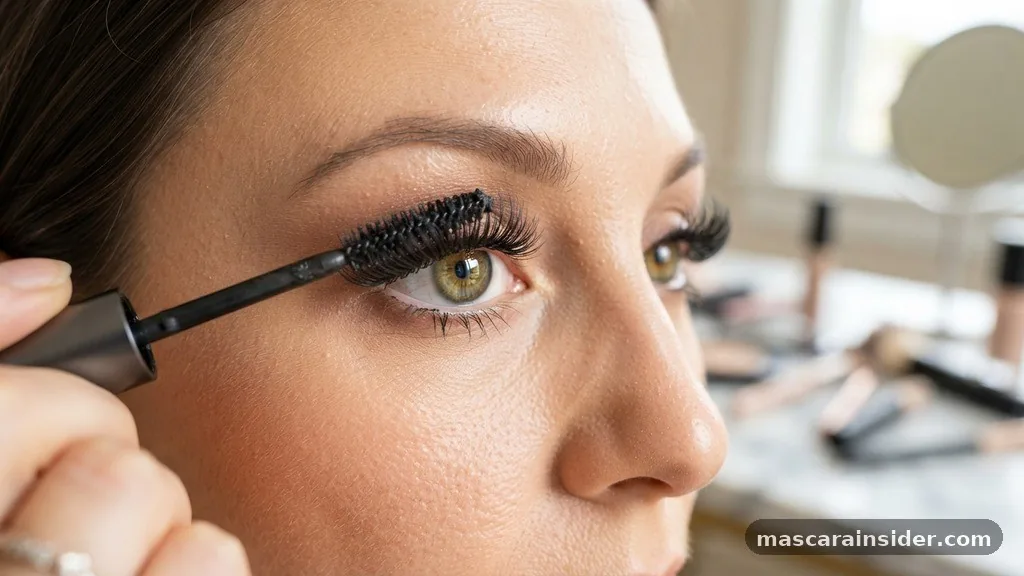
Deciding whether to add a coat of mascara to your false lashes is a common dilemma for anyone looking to achieve a seamless, polished finish. While some makeup artists swear by the practice to blend your natural hair with the falsies, others warn against it to preserve the longevity of your strips.
Understanding how to handle your falsies properly ensures you maintain that natural look without compromising the quality of your accessories. By mastering the right sequence, you can avoid common pitfalls like clumping or premature wear, ensuring your eyes remain the focal point of your look all day long.
The Logic Behind Mascara and False Lashes
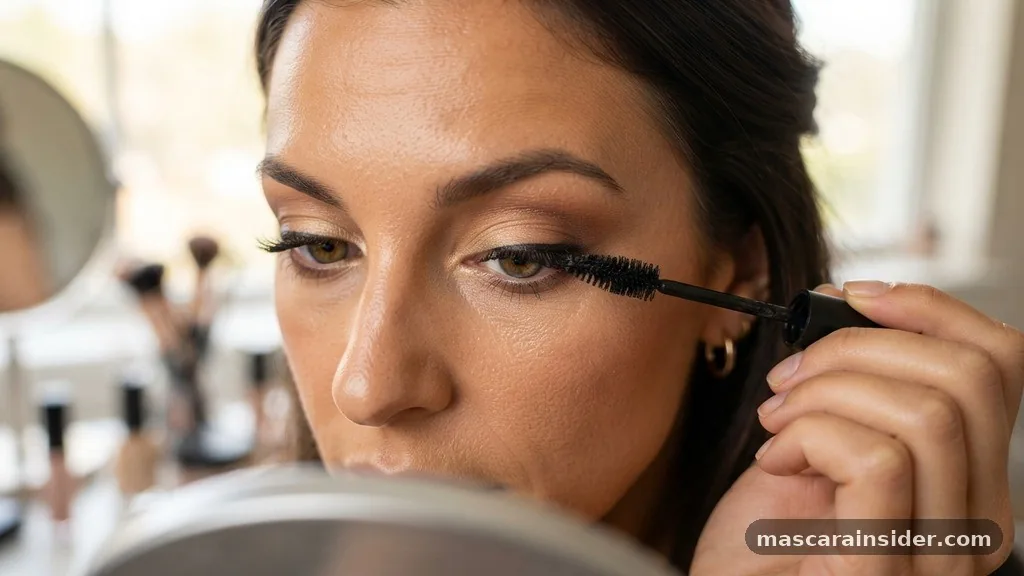
The primary reason people consider adding mascara to their fake lashes is to create a cohesive blend between their real, shorter lashes and the dramatic falsies. When your natural lashes are light in color or stick straight, they can stand out against a dark strip lash, creating a distracting gap.
Applying a light coat helps bridge this divide, binding the two layers together into a single, unified volume. This technique is especially helpful if you are working with Lash Clusters and Individuals, as it helps secure the small pieces to your natural base.
However, caution is required because many synthetic fibers are not designed to withstand the heavy weight or the chemical composition of standard eye makeup. If you apply a thick, sticky layer, the lashes may lose their shape, or become difficult to clean, ultimately forcing you to toss them out after a single use.
The goal is to enhance the appearance without destroying the structural integrity of the fibers. Finding that balance involves using the right products and a very light touch, rather than slathering on heavy layers of product.
Choosing the Right Formula for Your Lashes
Not all makeup products are created equal when it comes to synthetic fibers. If you are determined to use mascara, you should avoid heavy, particularly waterproof formulas that require harsh oil-based removers to break down.
Waterproof options are notoriously stubborn and often require excessive rubbing or tugging to remove, which can tear the delicate band of your fake lashes. Instead, look for water-soluble or tubing mascaras that wash off easily with warm water or gentle micellar cleansers.
Synthetic lashes, particularly those made from silk or delicate mink, are sensitive to oils. Most oil-based makeup removers will dissolve the lash glue, causing your strips to lift at the corners. If you choose to coat your falsies, ensure the product is lightweight and non-clumping.
A volumizing formula might be too thick, leading to a spidery, messy appearance that detracts from the fluttery aesthetic you are trying to cultivate. Always opt for a formula that focuses on lengthening and separation rather than intense thickening.
The Correct Order of Operations
Many beginners struggle with the timing of their makeup routine, often wondering if they should prime their eyes first. The most effective method is to apply your eyeshadow and eyeliner before attaching the lashes.
Once the strip is securely glued and the adhesive has dried, you can then apply a very thin coat of mascara to your natural lashes before or during the application process. Some professionals prefer to curl their natural lashes and apply mascara first, allowing it to dry completely before placing the falsies on top.
If you decide to apply mascara after the lashes are already on, treat it as a blending step rather than a full application. You only need to apply the product at the base where the natural lash and the fake lash meet.
This minimizes the amount of product that touches the synthetic tips, keeping the volume consistent and preventing the fibers from becoming heavy or droopy. Following these Best Practices for Application helps you achieve a professional finish without the risk of ruining your expensive lash investment.
Managing Different Types of False Lashes
The rules change depending on whether you are wearing strip lashes, magnetic lashes, or individual clusters. Strip lashes are generally the most forgiving, but they are also the most likely to show a visible seam if not blended correctly. Magnetic Lashes, on the other hand, should generally be kept away from mascara entirely. The magnets rely on a clean surface to snap together, and adding layers of makeup can interfere with the magnetic hold, causing them to slide or detach throughout the day.
Lash clusters are a different story; they are designed to be integrated into your natural lash line, often staying on for several days. With clusters, a light touch of mascara is often necessary to fill in the gaps and hide the adhesive points.
However, you must be careful to avoid the very base of the lash where the glue is situated, as the weight of the mascara can cause the cluster to pull on your natural hair. Always use a clean spoolie brush to comb through the lashes after application to ensure they remain separated and natural-looking.
| Lash Type | Mascara Compatibility | Application Tip |
|---|---|---|
| Strip Lashes | Moderate | Apply to base only to blend |
| Magnetic Lashes | Low | Avoid entirely to preserve hold |
| Individual Clusters | High | Use to blend after placement |
| Professional Extensions | Very Low | Avoid to prevent premature shedding |
Avoiding Damage to Professional Lash Extensions
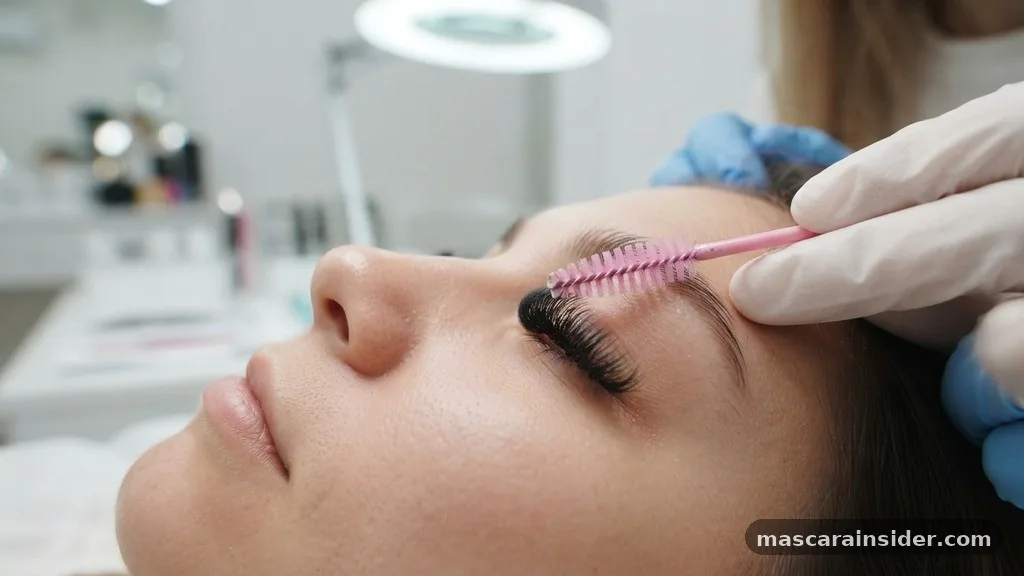
If you have invested in Professional Lash Extensions, the rules are strictly different from those for temporary strip lashes. Extensions are individually bonded to your natural lashes, and the addition of mascara can be catastrophic.
The ingredients in most mascaras, particularly waxes and oils, will break down the adhesive bond, leading to premature shedding of both the extension and your natural lash. This is a common mistake that can leave your natural lashes sparse and brittle.
If you feel your extensions are looking thin, avoid the temptation to reach for a volumizing mascara. Instead, use a lash-safe sealant or a growth-promoting serum specifically designed for extensions.
If you absolutely must wear eye makeup, look for oil-free, extension-friendly formulas that are explicitly labeled as safe for use with semi-permanent lashes. Maintaining the health of your natural hair is far more important than the temporary boost of volume provided by mascara.
Common Mistakes That Ruin Your Look
One of the biggest errors people make is applying mascara to the entire length of the fake lash. This adds unnecessary weight, which can cause the band to lift or the lash to point downward, effectively ruining the fluttery aesthetic you spent time creating.
Additionally, if you don’t clean your lashes properly at the end of the night, residual mascara will harden on the synthetic fibers. This buildup makes the lashes stiff, itchy, and unusable for future wears.
Another frequent mistake is using an eyelash curler after the lashes are applied. While this might seem like a good way to get more lift, it often causes the false lashes to snap or bend at an unnatural angle.
If you want a more dramatic lift, curl your natural lashes before applying the falsies, or opt for a pair of lashes with a pre-curved band. By following these techniques, you ensure that your eye makeup looks intentional and clean rather than cluttered and heavy.
Topical Gaps: Cleaning and Maintenance
Many people ask how to properly clean lashes that have been coated in makeup without damaging them. The secret is to use an oil-free micellar water and a soft cotton swab.
Gently swipe the swab along the band to remove the adhesive, then use a clean spoolie to brush through the lashes to remove any mascara clumps. Never soak your lashes in makeup remover, as this can cause the fibers to fray or lose their curl.
Proper storage is the final piece of the puzzle. Once cleaned and dried, always place the lashes back into their original tray. This maintains their shape and prevents them from getting crushed or dusty.
If you find that a pair of lashes has become too matted with mascara to be cleaned effectively, it is time to retire them. Trying to force a clean on a heavily coated pair often results in the fibers falling out, which will make the lashes look patchy and uneven.
When to Skip Mascara Entirely
There are many instances where you are better off skipping mascara altogether. If you have purchased high-quality, dense faux-mink lashes, they likely already provide enough volume and definition to stand on their own.
Adding mascara to these styles often results in a “clumpy” look that hides the intricate detail of the lash design. If your goal is a soft, daytime look, let the falsies do the heavy lifting.
Furthermore, if you are wearing colored or glitter-accented lashes, mascara will only serve to dull the effect. These specialized lashes are designed to be the focal point, and adding dark pigment will mask the unique colors or textures.
Trust in the design of the product you have purchased. Often, the best way to ensure your lashes look amazing is to focus on precise application and a clean, well-defined eyeliner wing rather than trying to layer on more products.
Professional Techniques for Seamless Blending
Achieving a professional-level look is all about how you manage the transition between the lash band and your eyelid. If you apply a thin layer of black liquid eyeliner along the top of the band, you effectively hide the glue line.
This makes the falsies look as though they are growing directly from your lash line, eliminating the need for mascara to “hide” the seam. This is the preferred method for most red-carpet makeup artists because it keeps the lashes lightweight and pristine.
If you still feel the need for mascara, apply it only to the very tips of your natural lashes before you put on the falsies. This ensures that your natural lashes are dark and match the color of the falsies without creating a thick, sticky layer that binds them together.
This approach keeps the false lashes clean and reusable, which is a major benefit for those who enjoy luxury lash styles. Remember, the goal is enhancement, not modification.
Conclusion
Deciding whether to wear mascara with your false lashes ultimately comes down to your personal style and the specific type of lashes you are wearing. For strip lashes, a light touch at the base can provide a seamless transition, provided you use an oil-free, water-soluble formula. However, for magnetic styles or professional extensions, it is almost always better to skip the product entirely to avoid damage or loss of hold.
By focusing on proper application and careful maintenance, you can keep your lashes looking fresh and fluttery for multiple wears. Always prioritize the health of your natural hair and the longevity of your accessories, and you will find the perfect balance for your daily routine. If you have questions about specific lash brands or need more tips on achieving a flawless look, feel free to reach out and keep the conversation going.
Frequently Asked Questions
Can you put mascara on magnetic lashes?
No, mascara interferes with the magnetic seal, causing the lashes to shift or detach during the day.
Does mascara ruin fake lashes?
Yes, thick or waterproof formulas can cause buildup, making lashes stiff, difficult to clean, and prone to breakage.
Should I apply mascara before or after putting on fake lashes?
Apply a light coat to your natural lashes first, then apply the falsies for a seamless, blended look.
How do I clean mascara off my false lashes?
Use oil-free micellar water and a soft spoolie to gently remove product buildup without damaging the fibers.
Can I use waterproof mascara on my strip lashes?
Avoid waterproof formulas as they require harsh removers that can dissolve the glue and damage the lash band.
Do individual lash clusters need mascara?
They often benefit from a light touch to blend them with natural lashes, but avoid the glue base.
Is it okay to use mascara on professional lash extensions?
No, mascara ingredients can break down the adhesive bond and cause your expensive extensions to fall out prematurely.


