


Finding out if your favorite skincare staple does micellar water remove waterproof mascara is a common challenge for those who prioritize efficiency in their nightly routine. While standard formulas often struggle with long-wear polymers, specialized versions have changed the game for many beauty enthusiasts.
You will learn how to identify the right product, the proper technique to avoid lash damage, and why some formulations outperform others when facing stubborn, smudge-proof pigments. Understanding the chemistry behind these cleansers ensures you stop scrubbing your delicate eye area and start removing makeup with ease and precision.
The Science Behind Micellar Technology
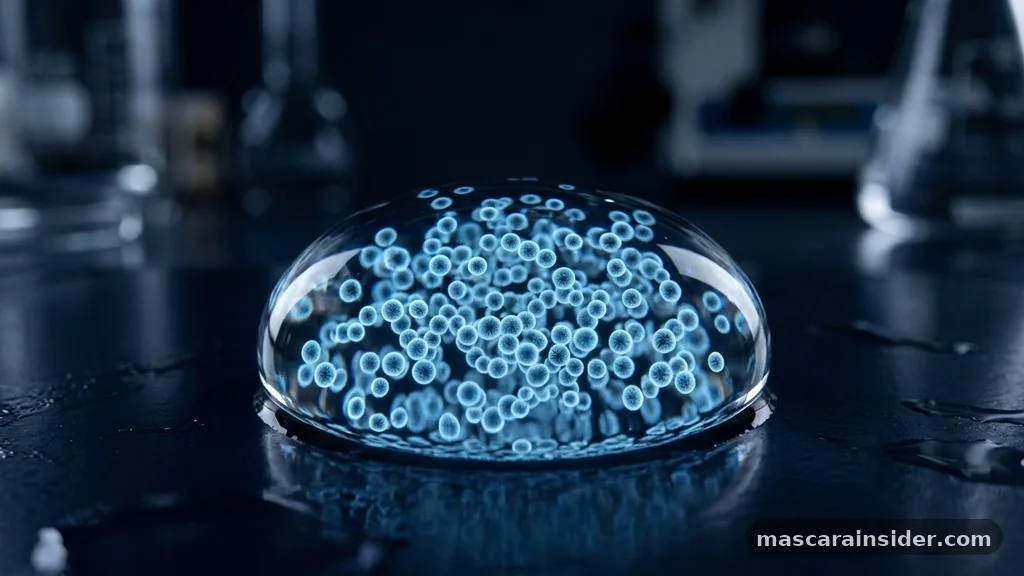
Micellar technology relies on the unique chemical structure of surfactants to lift impurities from the skin. These molecules are shaped like tiny spheres with a hydrophilic head that loves water and a lipophilic tail that is attracted to oil.
When you apply the solution to a cotton round, the tails latch onto the oils, waxes, and pigments found in your makeup, while the heads allow the entire complex to be wiped away effortlessly. This process effectively traps dirt and debris without requiring harsh rubbing or rinsing, which is why it is widely celebrated for gentle cleansing.
However, the efficacy of this technology varies significantly when you consider the composition of your cosmetics. Traditional micellar water is primarily water-based, meaning it lacks the heavy-duty solvent power required to dissolve the synthetic resins and waxes that make waterproof eye makeup resistant to rain and tears.
These resins are designed specifically to repel water, essentially creating a shield that standard surfactants cannot penetrate. If you have ever felt like you were pulling at your skin to get that last bit of mascara off, it is because you were trying to use a water-attracting agent on a substance designed to reject it.
Distinguishing Between Standard and Biphase Formulas
Not all micellar products are created equal, and knowing the difference is key to your success. A standard formula will often fail to remove high-performance mascara, leaving you with raccoon eyes the next morning. If your goal is to handle heavy-duty makeup, you should look specifically for a biphase micellar water.
This type of product features a visible layer of oil floating atop the water-based micellar solution. When you shake the bottle, the two phases combine temporarily to create an oil-in-water formula that provides the best of both worlds.
The oil component in these specialized cleansers is the secret weapon. It acts as a solvent that breaks down the hydrophobic bonds of your stubborn mascara, allowing the micelles to then encapsulate the loosened pigment and carry it away.
Because the oil is suspended in the water, it rinses away more cleanly than a pure oil-based cleanser, yet it retains the strength needed to dissolve even the most persistent waterproof formulas. This combination is essential for anyone who frequently uses long-wear or water-resistant cosmetics.
Techniques to Prevent Lash Breakage
When you are learning how to remove waterproof mascara, the physical technique you use is just as important as the product selection. Many people make the mistake of scrubbing back and forth across their eyelashes, which is a primary cause of lash breakage and premature lash loss.
The skin around the eye is the thinnest on the face, and constant friction can lead to inflammation or fine lines over time. Instead of scrubbing, you must allow the chemistry of the product to do the heavy lifting for you.
To protect your lashes, saturate your makeup remover pads thoroughly with the biphase solution. Gently press the soaked pad against your closed eyelid and hold it there for fifteen to thirty seconds. This “soak” time is critical because it gives the surfactants and oils enough time to soften the waterproof layer of the mascara.
Once the product has permeated the layers of makeup, you can gently swipe downward in the direction of your lash growth. You should never feel like you are tugging; if the mascara isn’t coming off, hold the pad for a few more seconds.
Addressing the Double Cleansing Method
Even with the best products, some people prefer to incorporate a double cleansing method to ensure every trace of buildup is removed. This approach involves using an oil-based cleanser or your biphase micellar water as the first step to dissolve surface makeup, followed by a second, water-based cleanser to purify the pores.
This is particularly beneficial if you wear heavy makeup, use SPF, or live in an environment with high levels of pollution. By removing the makeup first, your second cleanser can actually reach the skin surface and perform its job effectively.
The beauty of this method is that it prevents residue from clogging your pores or causing eye irritation. When you only use one cleanser, you risk smearing the dissolved makeup around your face rather than washing it away entirely.
Using a biphase micellar water as your initial step creates a clean slate, ensuring that the rest of your skincare routine—such as serums and moisturizers—can penetrate your skin properly. This systematic approach is a cornerstone of healthy skin maintenance for those who prioritize long-term lash health.
Common Mistakes When Removing Waterproof Makeup
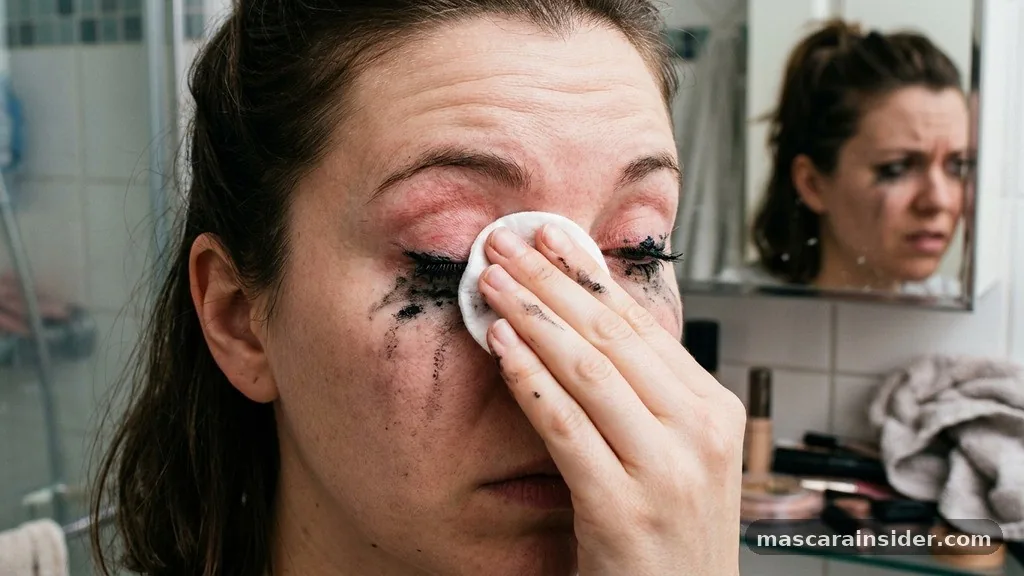
Many users struggle with irritation because they are using the wrong tools or applying too much pressure. One of the most frequent errors is using a dry or low-quality cotton round that feels scratchy against the skin.
Investing in soft, reusable bamboo pads or high-quality cotton discs can make a significant difference in how your eyes feel after the process. Furthermore, using too little product means the cotton round drags across the eyelid, creating friction instead of gliding over it.
Another major mistake is rushing the process. If you are in a hurry, you are more likely to rub, which, as we have established, is detrimental to your lashes.
If you find that you are constantly needing to scrub, it is a sign that your product is not strong enough or you need to allow for more dwell time. Below is a comparison of common removal methods to help you choose the right approach for your needs.
| Method | Best For | Efficiency Level |
|---|---|---|
| Standard Micellar | Light, everyday makeup | Low (on waterproof) |
| Biphase Micellar | Waterproof, long-wear | High |
| Oil-Based Balm | Heavy, stage, or theater makeup | Very High |
Why Lash Health Matters
Your eyelashes are more than just an aesthetic feature; they serve as a protective barrier for your eyes, filtering out dust and debris. When you use harsh methods to remove your mascara, you risk damaging the hair follicles, which can lead to thinning or stunted growth over time.
Using a product that is specifically formulated for the eye area, such as a biphase micellar water, ensures that you are providing hydration and nourishment while you cleanse. Many modern formulas are enriched with soothing ingredients like panthenol or glycerin to keep the skin around the eyes supple.
If you notice frequent redness or stinging, it is a clear indicator that your current removal process is too aggressive or that the ingredients in your cleanser are not compatible with your skin type. Always look for ophthalmologist-tested labels on your products.
These indicate that the solution is safe for use around the eyes and is unlikely to cause the burning sensation often associated with lower-quality makeup removers. Prioritizing the health of your lashes today will ensure they remain full and strong for years to come.
Navigating Topical Gaps in Skincare
A common question often overlooked in standard beauty articles is whether these cleansers leave a film that needs to be rinsed off. While many brands market their micellar water as a “no-rinse” solution, the reality is that leaving any surfactant on the skin can eventually lead to dryness or sensitivity.
Even if the bottle says you don’t need to rinse, your skin will often benefit from a quick splash of water or a follow-up with a gentle face wash. This ensures that no surfactants or dissolved makeup particles remain on the skin surface.
Another gap in understanding involves the shelf life of biphase products. Because these formulas contain oil, they can potentially go rancid faster than purely water-based cleansers if they are stored in direct sunlight or humid environments. Always keep your bottle in a cool, dark place and check for any changes in smell or color.
If the oil layer becomes cloudy or the scent turns “off,” it is time to replace the bottle. Proper storage is a simple but overlooked aspect of maintaining the integrity of your skincare products.
Choosing the Right Product for Your Skin Type
When selecting a cleanser, you must consider your skin’s unique needs. Those with oily or acne-prone skin might be wary of the oil component in biphase micellar water, but it is important to remember that oil dissolves oil.
If formulated correctly, a high-quality biphase cleanser will not clog your pores; rather, it will lift excess sebum and makeup away from the surface. However, if you are extremely sensitive to oils, you may prefer to stick to an oil-free micellar water and use a separate, dedicated eye makeup remover for your waterproof products.
For those with dry or mature skin, the added oil in biphase formulas can actually be a benefit. It provides an extra layer of hydration, preventing the skin from feeling “tight” after cleansing. The goal is to find a product that removes your makeup without stripping your natural moisture barrier.
Don’t be afraid to try sample sizes or travel-sized bottles to see how your skin reacts before committing to a full-sized product. Everyone’s skin chemistry is different, and finding the perfect match is a process of trial and error.
Essential Tips for Effective Removal
To maximize the effectiveness of your routine, consider these actionable steps to ensure you are getting the most out of your products. Following these guidelines will help you maintain a clean, healthy eye area while ensuring your waterproof makeup is removed completely.
- Always shake your biphase bottle vigorously before use to ensure the oil and water layers are fully emulsified.
- Use two separate cotton rounds—one for each eye—to prevent the transfer of makeup or bacteria from one side to the other.
- If you wear waterproof eyeliner, use a cotton swab dipped in micellar water for precision cleaning along the lash line.
- Never rub your eyes with a dry towel after cleaning; gently pat the skin dry with a clean, soft cloth or let it air dry.
- Check the expiration date on your bottle; most skincare products are best used within six to twelve months of opening.
- Store your makeup remover in a cool, dark place to preserve the efficacy of the active ingredients.
- If you wear contact lenses, always remove them before using any makeup remover to prevent irritation or clouding of the lenses.
Conclusion
Successfully removing waterproof mascara doesn’t have to be a painful or time-consuming chore. By choosing the right biphase formula and using a gentle, patient technique, you can easily dissolve even the most stubborn pigments without damaging your lashes or irritating your skin. Remember that the secret lies in the dwell time—allowing the product to sit and work its magic before you wipe is the most effective way to protect your delicate eye area.
Embracing a careful, deliberate approach to your nightly routine will keep your skin and lashes in their best condition. If you have been struggling with a standard cleanser, switching to a biphase version is the most logical next step. Experiment with different brands to find the one that feels best for your skin, and enjoy a clean, refreshed face every single night.
Does micellar water remove waterproof mascara if it is not a biphase formula?
No, standard water-based micellar water typically lacks the solvent power needed to dissolve stubborn waterproof mascara polymers.
Is it necessary to rinse my face after using micellar water?
While often marketed as no-rinse, washing your face afterward is recommended to remove any remaining surfactant residue effectively.
Can I use the same cotton round for both eyes?
It is better to use separate pads to avoid transferring makeup, oils, or potential bacteria between your eyes.
Why do my lashes fall out when I remove waterproof mascara?
Lash loss usually occurs from excessive rubbing and pulling, which physically stresses the hair follicles and causes breakage.
How long should I hold the cotton round on my eyelid?
Hold the saturated pad against your closed eye for fifteen to thirty seconds to properly dissolve the mascara.
Are biphase micellar waters safe for contact lens wearers?
Most are, but it is always best to remove your contact lenses before cleansing to avoid potential eye irritation.
Does micellar water expire?
Yes, most skincare products have a shelf life of six to twelve months once opened; check the PAO symbol.


