

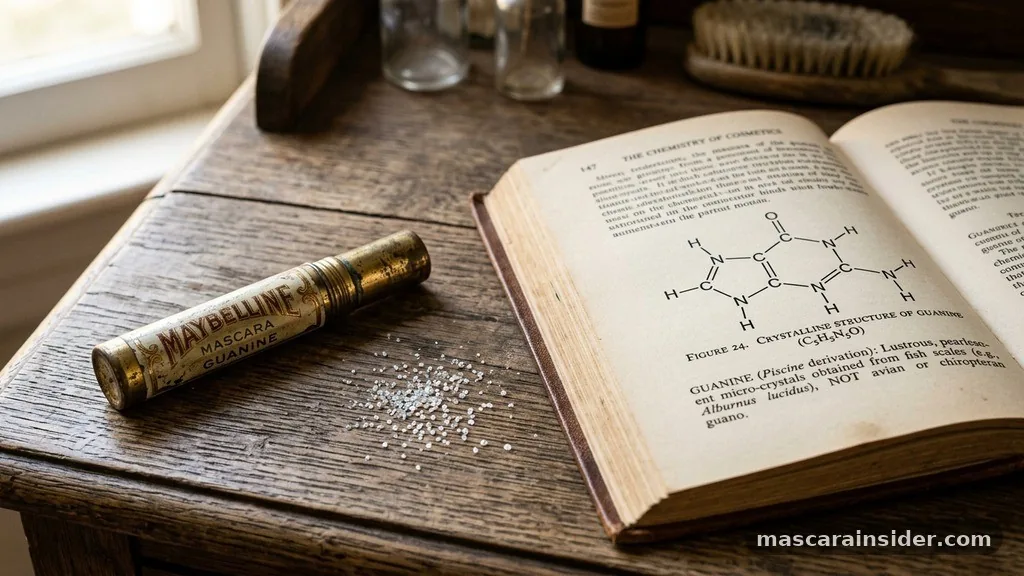
The persistent rumor that mascara contains bat droppings has circulated through beauty forums and social media for decades. While the idea of applying excrement to your eyelashes sounds like a horror story, the truth behind this claim is far less grotesque and rooted in a simple linguistic misunderstanding. People often confuse the word “guanine” with “guano,” leading to the widespread belief that animal waste is a staple in the beauty industry.
In reality, the cosmetic world relies on complex chemistry rather than organic waste to achieve those dark, fluttery lashes. This article clears up the confusion surrounding your favorite makeup products and explains exactly what goes into your tube.
The Origin of the Guanine Misunderstanding
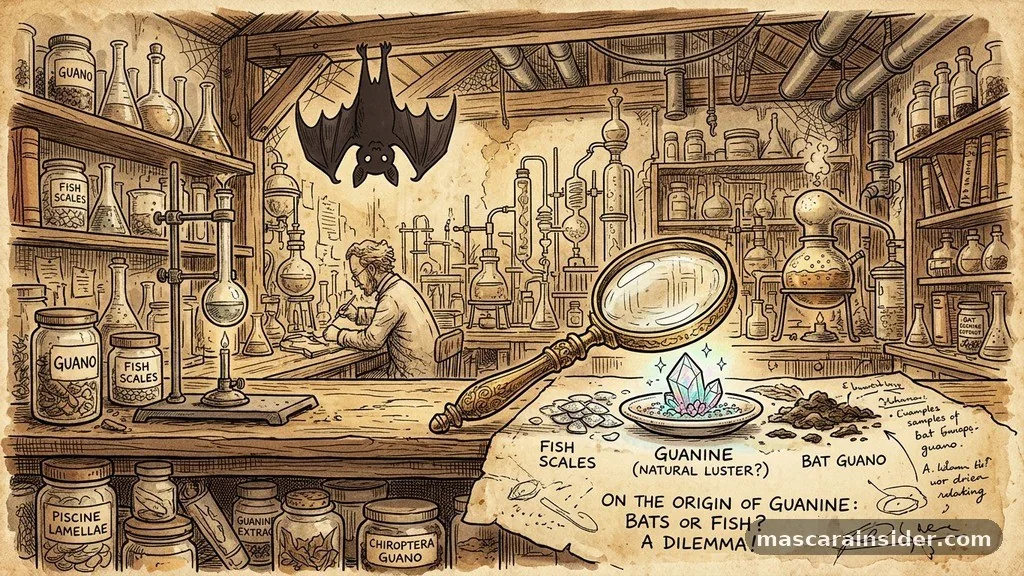
The confusion regarding whether is mascara made of bat poop stems almost entirely from a phonetic similarity between two very different substances. Bat guano is a term used for the accumulated excrement of bats and seabirds, which is highly valued as a potent fertilizer due to its high nitrogen and phosphorus content. On the other hand, guanine is a crystalline material used in cosmetics to create a shimmer or pearl-like effect. Because the two words share a similar prefix, the internet quickly conflated them, giving birth to one of the most enduring beauty myths in history.
It is important to understand that guanine is a naturally occurring nucleobase, one of the four building blocks of DNA found in all living organisms. In the context of cosmetic chemistry, it is not extracted from bat waste. Instead, it is typically derived from the scales of fish.
When processed, these crystalline structures reflect light in a way that produces an iridescent finish, which is highly desired in products like highlighters, nail polishes, and some shimmery mascaras. The leap from “fish scales” to “bat poop” is a classic example of how misinformation spreads through the digital grapevine, fueled by the shock value of the original claim.
What Actually Goes Into Mascara Formulation
When you look at the ingredient list on a standard tube of mascara, you are looking at a carefully engineered chemical suspension. Modern mascara formulation is designed to thicken, lengthen, and darken lashes while remaining safe for the delicate skin around the eyes.
Most products consist of a mixture of water, waxes, oils, and pigments that work together to create a smooth, long-wearing application. These ingredients are chosen for their ability to bind to hair fibers without clumping or flaking throughout the day.
The primary components generally include:
- Waxes such as beeswax, carnauba, or paraffin to provide structure and thickness.
- Oils like mineral oil or castor oil to ensure the product glides on smoothly.
- Pigments, usually iron oxides, to provide that deep black or brown color.
- Film-forming polymers that help the mascara stick to your lashes and resist smudging.
- Preservatives to prevent the growth of bacteria and fungi in the damp, dark environment of the tube.
None of these ingredients involve animal waste. The industry is strictly regulated to ensure that no harmful or unsanitary materials enter the production line. If you are ever concerned about the contents of your makeup, checking the label for specific chemical names is the most reliable way to understand what you are applying to your face.
The Role of Guanine in Cosmetic Chemistry
Guanine is a legitimate and widely used ingredient in the beauty industry, but it serves a very specific aesthetic purpose. Because of its crystalline structure, it acts as a light-refracting agent. When added to a formula, it gives the product a pearlescent, metallic, or shimmery sheen.
This is why you will often find it listed in shimmering eye shadows, highlighters, and occasionally in specialty mascaras that promise a more reflective or “cat-eye” finish. It is essentially a physical colorant rather than a chemical dye.
Historically, this substance was extracted from the scales of herring and other silvery fish, which is where the term pearl essence originated. Today, the process remains largely the same, though many brands have moved toward synthetic alternatives to meet the demand for vegan and cruelty-free products.
Using synthetic versions of these pigments allows companies to achieve the same visual impact without relying on animal byproducts. This shift reflects a broader trend in the industry toward transparency and ethical sourcing, moving away from the obscure animal-derived ingredients of the past.
Debunking Persistent Beauty Myths
The myth that mascara is made of bat poop is just one of many beauty myths that continue to haunt the industry. These stories often gain traction because they play into our natural disgust response.
When a claim sounds shocking or “gross,” people are more likely to share it without verifying the source. This is common in the beauty space, where consumers are increasingly wary of what they put on their skin, making them susceptible to sensationalized headlines about toxic ingredients or hidden animal waste.
Another common myth involves the use of spider legs or crushed beetles in mascara. While carmine, a red pigment derived from cochineal insects, is used in lipsticks and blushes, it is never used in black mascara because it does not provide the necessary depth or color.
These myths often originate from a kernel of truth—such as the use of natural pigments—that gets twisted into an exaggerated, terrifying narrative. By understanding the basics of cosmetic chemistry, you can easily distinguish between the legitimate science of product development and the fear-mongering that often plagues social media platforms.
Historical Cosmetics and Modern Safety
If we look back at historical cosmetics, it is true that humanity has used some questionable substances to enhance beauty. Ancient Egyptians used lead and kohl, while Victorian-era women sometimes applied dangerous arsenic-based powders to achieve a pale complexion.
However, the modern beauty industry is governed by stringent cosmetic safety regulations that were not present in previous centuries. Today, every ingredient used in mass-market cosmetics must be tested and approved for human use, particularly for products intended for the sensitive eye area.
The shift toward science-based formulation has made current products safer than anything used in the past. Regulations require manufacturers to list all ingredients, and in many regions, they must prove that their products are free from pathogens and contaminants.
The idea that a major cosmetic brand would use bat droppings—a substance associated with histoplasmosis and other health risks—is not only factually incorrect but also logistically impossible. Maintaining a stable, sterile, and high-performing formula requires laboratory-grade ingredients, not organic waste that would degrade and cause immediate spoilage.
The Reality of Synthetic Pigments
Modern makeup manufacturing relies heavily on synthetic pigments to ensure consistency and safety. Unlike natural ingredients, which can vary in quality and purity depending on the batch, synthetic iron oxides and pigments are produced in controlled environments to ensure they are uniform, stable, and completely free of impurities. This is particularly important for eye makeup, where the risk of irritation or infection is higher due to the proximity of the mucous membranes.
Table 1: Comparison of Common Mascara Ingredient Sources
| Ingredient Category | Natural Source | Synthetic Alternative |
|---|---|---|
| Pigments | Iron Oxides (Mined) | High-purity laboratory iron oxides |
| Shimmer/Pearl | Fish scale guanine | Synthetic mica or bismuth oxychloride |
| Waxes | Beeswax | Paraffin or synthetic ozokerite |
| Preservatives | Essential oils | Parabens, phenoxyethanol, or organic acids |
The move toward synthetic alternatives has been driven by both safety concerns and the desire for ethical, sustainable products. By moving away from animal-derived sources, brands can appeal to a wider audience, including those who follow vegan or cruelty-free lifestyles. This technological advancement means that your mascara is far more likely to be a result of high-end chemical engineering than anything found in a cave.
Addressing Topical Gaps in Beauty Education
A major gap in public knowledge is the lack of understanding regarding how cosmetic ingredients are sourced and labeled. Many consumers do not know how to read an ingredient list, which leaves them vulnerable to misinformation.
When you look at an INCI (International Nomenclature of Cosmetic Ingredients) list, you are seeing the scientific names of chemicals. For example, “guanine” is the scientific name for the crystalline compound, and because it is the scientific name, it appears on the back of the package.
Without knowing that guanine is a standard chemical name, it is easy for a consumer to search for it online, find a definition, see the word “guano” mentioned in a dictionary, and conclude that the two are identical. Education is the best tool for closing these gaps.
By explaining that ingredient labels use standardized chemical terminology, we can demystify the process. Consumers should be encouraged to look up ingredients on reputable databases like the Environmental Working Group (EWG) or the FDA’s own resources rather than relying on viral posts that lack scientific backing.
Why the Bat Poop Myth Persists
Even though the science is clear, the “bat poop” myth is remarkably sticky. This is largely because it fits the narrative that “big beauty” is hiding something gross or unnatural. There is a deep-seated distrust of large corporations, and the idea that something so mundane as mascara could be tainted with something so repulsive is a powerful hook for content creators.
The myth persists because it is funny, shocking, and easy to tell. It has all the hallmarks of a classic urban legend: a kernel of truth (the word guanine), a gross factor (guano), and a relatable subject (makeup).
To combat this, we need to focus on the reality of the supply chain. Most ingredients in the beauty industry are sourced from massive chemical suppliers that provide raw materials to hundreds of different brands. These suppliers are audited and follow strict international standards.
The idea that a specific supply chain would involve the harvesting of bat excrement is economically and scientifically absurd. It would be far more expensive and difficult to sanitize and process animal waste than it is to synthesize a stable, pure crystalline pigment in a laboratory.
Navigating Beauty Trends with Critical Thinking
As consumers, we have more access to information than ever before, but we also have more access to misinformation. When you encounter a claim that sounds too strange to be true, it is essential to exercise critical thinking. Check the source.
If a post makes a bold claim about an ingredient, look for scientific studies or information from regulatory bodies. Remember that the beauty industry is a multi-billion dollar sector that relies on repeat customers; the last thing any major brand wants is to use a product that could cause health issues or public outrage.
The next time you hear a rumor about what is inside your makeup bag, take a moment to research the specific term in question. By understanding the distinction between similar-sounding words and learning the basics of how products are made, you can protect yourself from falling for sensationalism.
Your mascara is a tool for self-expression, not a source of mystery organic additives. By staying informed, you can enjoy your beauty routine with confidence, knowing that your products are the result of modern science, not urban legends.
Conclusion
The persistent question of is mascara made of bat poop is a perfect example of how easily misinformation spreads when similar-sounding terms are misunderstood. As we have explored, the confusion arises from the phonetic overlap between guanine, a common light-reflecting ingredient, and guano, which is animal waste.
Modern cosmetic chemistry is a sophisticated field defined by safety, precision, and rigorous testing, all of which prioritize the health of the consumer. There is no place for animal excrement in the carefully controlled environment of a professional beauty lab.
By relying on scientific facts and understanding how to read ingredient labels, you can cut through the noise of viral myths. The beauty industry continues to evolve, increasingly focusing on synthetic and sustainable alternatives to ensure that your favorite products are both effective and ethical.
If you have any lingering concerns about the ingredients in your makeup, always refer to the official ingredient list on the packaging or consult reliable dermatological resources. Stay curious, keep questioning the sensationalist headlines you see online, and continue to enjoy your beauty routine with the peace of mind that comes from being truly informed.
No, mascara does not contain bat poop. This is a common myth based on a misunderstanding of the word guanine.
What is guanine used for in cosmetics?
Guanine is a crystalline material used to create an iridescent, shimmery, or pearlescent finish in beauty products.
Is guanine derived from bats?
No, guanine used in cosmetics is typically derived from fish scales or created synthetically for a vegan alternative.
Why do people think mascara contains bat droppings?
The confusion stems from the phonetic similarity between the words “guanine” (the ingredient) and “guano” (bat waste).
Are there animal products in mascara?
Some mascaras may contain beeswax or other animal-derived ingredients, but they never contain animal excrement or waste products.
How can I tell what is actually in my mascara?
Check the ingredient list on the packaging for the INCI names and verify them using reputable cosmetic databases.
Is mascara safe to use on my eyes?
Yes, modern mascara is strictly regulated and tested to ensure it is safe for the delicate eye area.


