

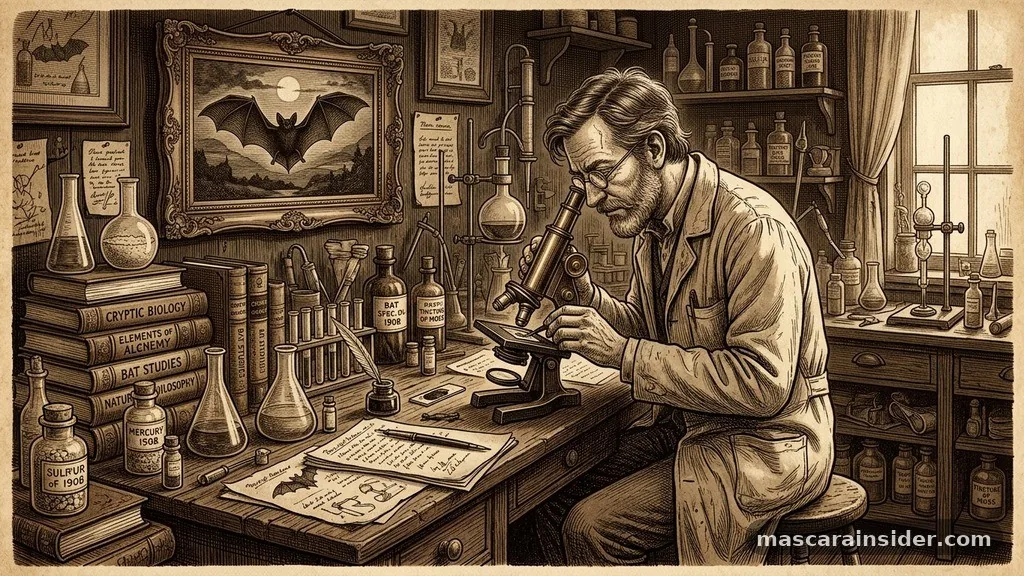
The persistent rumor that people are applying bat droppings to their eyelashes has circulated for decades, leaving many beauty enthusiasts wondering if there is any truth to the claim. While the idea that mascara is made out of bat poop sounds like a bizarre urban legend, it likely stems from a linguistic misunderstanding involving a specific ingredient used in the cosmetics industry.
Understanding the reality behind this myth requires looking at how modern beauty products are actually formulated. By separating fact from fiction, you will discover that the ingredients in your makeup bag are far more scientific than they are biological.
The Origin of the Bat Poop Myth
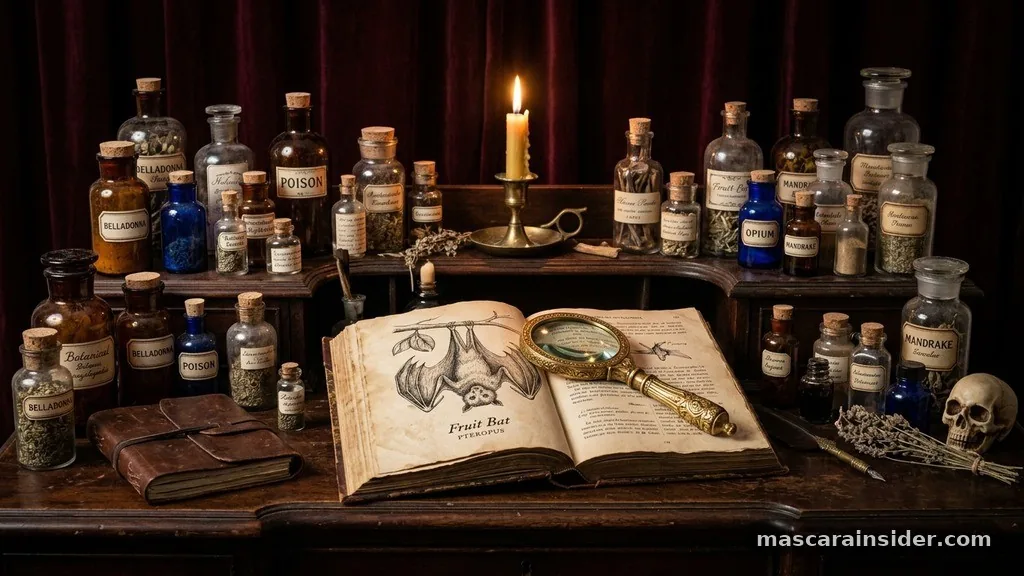
The confusion surrounding whether mascara is made out of bat poop almost certainly arises from the phonetic similarity between the word “guano” and the chemical compound known as “guanine.” Guano is the common term for bat droppings, which are rich in nitrogen and phosphorus and are primarily used as fertilizer in agricultural settings.
In contrast, guanine is a crystalline substance that provides a shimmering or pearlescent effect in various consumer goods. When people hear that a product contains guanine, the leap to assuming it involves bat waste is a common, albeit incorrect, leap in logic.
This myth is a classic example of how scientific terminology, when misunderstood by the general public, can lead to widespread misinformation. Because the two words share a similar root, it is easy for an internet rumor to take hold and spread through social media platforms.
Cosmetics companies do not use animal waste in their formulations, as it would be both unsanitary and impractical for creating the desired aesthetic results. Instead, they rely on highly refined chemical components that have been tested for safety and performance in the laboratory.
What Is Guanine and Where Does It Come From?
Guanine is a naturally occurring nucleobase that is a fundamental building block of DNA and RNA in all living organisms. In the context of cosmetics, it is prized for its unique crystalline structure, which reflects light to create a soft, iridescent sheen. This effect is often referred to as pearl essence.
While guanine can be synthesized, the version historically used in high-end beauty products is derived from fish scales. Specifically, manufacturers often source these scales from herring or other silvery fish harvested for the food industry.
The process of extracting guanine involves cleaning and processing the scales to isolate the crystalline plates. These plates are then suspended in a liquid medium, such as oil or water, to create the shimmery finish found in lipsticks, nail polishes, and mascaras.
Because this extraction process is labor-intensive and costly, many modern beauty brands have shifted toward using synthetic alternatives. These alternatives mimic the look of natural guanine without requiring the use of animal-derived materials, making them a preferred choice for cruelty-free and vegan-friendly cosmetic lines.
Common Ingredients in Modern Mascara Formulation
If you look at the back of a standard tube of mascara, you will find a complex list of cosmetic ingredients designed to lengthen, thicken, and darken your lashes. The mascara formulation is a precise science, balancing pigments, waxes, and polymers to ensure the product stays on your eyes throughout the day without smudging or flaking. Most of these ingredients are entirely synthetic or plant-based, chosen specifically for their durability and safety.
The base of most mascaras consists of a mixture of water and oils, which act as a delivery vehicle for the other components. Iron oxides are the most common pigments used to provide that deep black or brown color, and they are minerals that are safe for use around the eyes. To provide structure and hold, manufacturers incorporate various waxes, such as beeswax or carnauba wax. These help the mascara coat each lash evenly and provide a smooth, flexible finish that doesn’t feel brittle or heavy.
The Role of Polymers and Synthetic Pigments
Beyond the basic waxes and colors, modern mascara relies on advanced polymers to achieve specific effects like curling or water resistance. Polymers are large molecules that form a film over the lashes as the mascara dries, locking in the pigment and preventing it from transferring onto your skin.
This film-forming technology is the reason why your mascara can withstand humidity and occasional moisture without running. These polymers are carefully engineered to be hypoallergenic and gentle on the delicate skin of the eyelids.
Synthetic pigments have largely replaced many of the older, natural-derived dyes that were once common in the industry. These synthetic options are often more stable, vibrant, and consistent in color than their natural counterparts.
By using lab-created pigments, brands can ensure that the shade of your favorite mascara remains the same from one batch to the next. This level of quality control is essential for maintaining the high standards expected by consumers and meeting strict safety requirements established by health authorities.
Safety Standards and FDA Regulations
The beauty industry is subject to rigorous FDA regulations to ensure that all products on the market are safe for consumer use. These regulations require manufacturers to test their formulations for contamination, stability, and potential irritation before they ever reach the shelves.
If a product were actually made with bat droppings, it would be a clear violation of sanitation standards and would be promptly removed from circulation. The idea that a mass-produced cosmetic item could contain such a substance is not only false but fundamentally ignores how the supply chain works.
Regulatory bodies also require that companies list all active and inactive ingredients on their packaging. This transparency allows consumers to identify potential allergens or ingredients they wish to avoid, such as specific preservatives or synthetic fragrances.
If you ever have a concern about a specific product, checking the ingredient list is the most reliable way to understand what you are applying to your body. You will rarely, if ever, find “guano” listed, as it serves no functional purpose in a cosmetic product.
Historical Cosmetics and the Evolution of Beauty
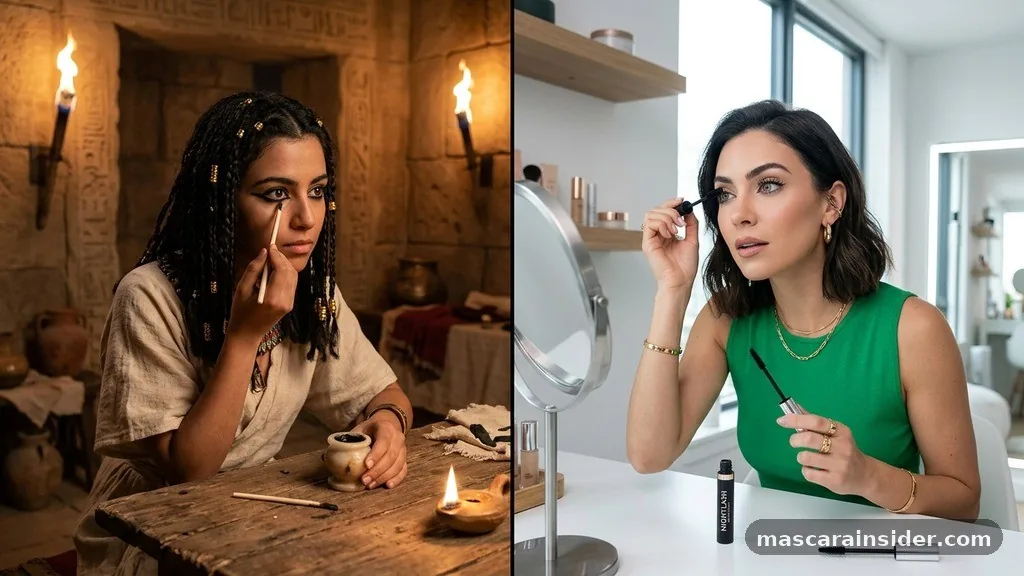
To understand why people might suspect strange ingredients are in their makeup, it helps to look at the history of cosmetics. Ancient civilizations often used substances that would be considered hazardous by today’s standards, such as lead, mercury, and crushed beetles.
For example, kohl, which was used in ancient Egypt, was often made from galena, a lead sulfide mineral. These practices were born out of a lack of chemical knowledge, but they have contributed to a cultural narrative that makeup is made of “scary” or “unnatural” things.
As the industry evolved, the shift toward chemistry and pharmacology changed how we view beauty products. Today, we have a much better understanding of how different chemicals interact with our skin and eyes.
The transition from using crushed insects or toxic minerals to refined, lab-tested ingredients has made modern cosmetics safer than at any point in history. The myth that mascara is made out of bat poop is a lingering echo of an era when people were more suspicious of the origins of their personal care products.
Addressing the Topical Gaps
There are several specific questions that often arise when discussing the contents of our makeup, particularly regarding animal derivatives and synthetic alternatives.
Are there any animal-derived ingredients in mascara?
While many modern mascaras are vegan, some traditional formulations may still contain ingredients like beeswax or shellac. Beeswax is a natural byproduct of honey production, while shellac is a resin secreted by the female lac bug. These are generally considered safe but may be avoided by those who prefer strictly vegan products.
How can I tell if my mascara is vegan?
You can look for “cruelty-free” or “vegan” certifications on the packaging or check the brand’s website for an ingredient breakdown. Many brands now highlight their commitment to avoiding animal-derived materials to cater to the growing demand for ethical beauty products.
What is the difference between natural and synthetic pigments?
Natural pigments are derived from minerals, plants, or insects, while synthetic pigments are created in a lab to mimic these colors. Synthetic pigments often offer better longevity, a wider range of shades, and less risk of biological contamination.
Table: Comparison of Common Mascara Ingredients
| Ingredient Type | Function | Source |
|---|---|---|
| Iron Oxides | Pigmentation | Mineral |
| Beeswax | Thickening/Hold | Honeybee |
| Carnauba Wax | Structure | Palm Leaves |
| Synthetic Polymers | Film-forming | Chemical Synthesis |
| Guanine | Shimmer/Pearl Effect | Fish Scales (or Synthetic) |
Common Misconceptions About Beauty Ingredients
Beyond the bat poop rumor, there are many other myths regarding what goes into our makeup. Some people worry about spider legs being used for volume or crushed insects being used for red dyes.
While it is true that carmine, a red pigment, is derived from the cochineal insect, it is a well-regulated and widely used colorant in the food and cosmetic industries. These ingredients are chosen for their specific chemical properties, not for the sake of being exotic or strange.
The beauty industry is constantly innovating to find better, safer, and more effective ingredients. When you see a new product claim to be “clean” or “natural,” it often refers to the absence of certain synthetic chemicals that some consumers prefer to avoid, like parabens or phthalates.
However, even “natural” products must undergo the same safety testing as synthetic ones. The goal is always to create a product that enhances the user’s appearance without causing irritation or long-term damage to the delicate eye area.
Why the Bat Poop Myth Persists
The reason this specific rumor refuses to die is largely due to the “ick factor.” People are naturally cautious about what they put near their eyes, and a story about fecal matter is designed to provoke a strong emotional response.
Once a myth is shared on social media, it gains a life of its own, often becoming accepted as a “fun fact” without any verification. In the age of digital information, it is easier than ever for a misunderstanding of a word like “guanine” to transform into a widely held belief.
To combat these myths, it is important to rely on reputable sources and understand the basic science behind product labels. When you see a word you don’t recognize on a label, a quick search can often reveal its true purpose and origin.
By taking a moment to look past the sensationalized headlines, you can make more informed choices about the products you use. You’ll likely find that the reality of cosmetic chemistry is far less scandalous—and much more fascinating—than the myths suggest.
Conclusion
The idea that mascara is made out of bat poop is a complete fabrication born from a misunderstanding of scientific terminology. While the word “guanine” may sound like “guano,” the two are entirely unrelated, with one being a vital chemical component for light reflection and the other being agricultural waste. Modern mascara is a product of sophisticated chemical engineering, utilizing safe, tested ingredients like iron oxides, waxes, and synthetic polymers to deliver the results you expect.
By choosing reputable brands and reading ingredient labels, you can be confident that your beauty routine is safe, effective, and free of any bizarre biological additives. Next time you hear this rumor, you can rest easy knowing the truth is far less gross than the myth implies.
FAQ
No, mascara is not made out of bat poop; this is a common myth based on a linguistic misunderstanding.
What is the ingredient guanine used for in makeup?
Guanine is used to provide a shimmering, pearlescent effect in products like mascara, nail polish, and lipstick.
Where does the guanine in cosmetics actually come from?
It is traditionally derived from fish scales, though many modern brands now use synthetic, lab-created alternatives instead.
Why is there a myth about bat poop in mascara?
The myth stems from the phonetic similarity between “guanine,” a cosmetic ingredient, and “guano,” which is bat droppings.
Are the ingredients in mascara safe for my eyes?
Yes, all commercial mascara ingredients must meet strict safety and quality standards set by government regulatory bodies.
Can I find vegan mascara without animal ingredients?
Yes, many cosmetic companies offer vegan-certified mascaras that do not use ingredients like beeswax or fish-derived guanine.
What should I do if I see a strange ingredient on a label?
You should research the ingredient online using reputable scientific or cosmetic databases to understand its purpose and origin.


