

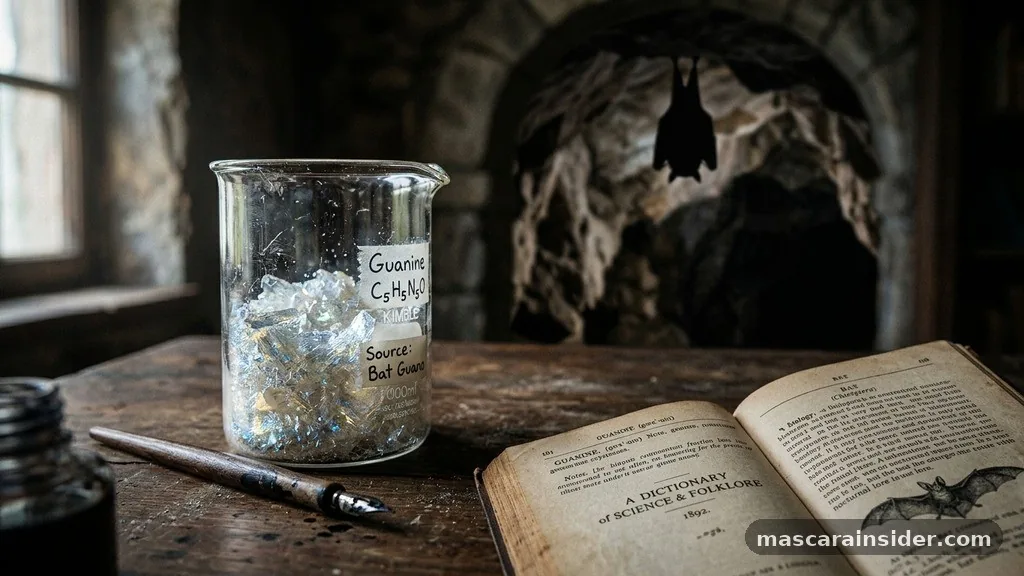
The persistent urban legend claiming that is mascara made from bat poop continues to circulate on social media and internet forums, causing confusion for beauty enthusiasts. While many people worry that their favorite lash-darkening products contain unsavory animal waste, the reality is far more scientific and much less repulsive.
The confusion primarily stems from the phonetic similarity between the word guano—a term for bat waste—and guanine, a common ingredient found in many shimmering cosmetics. Understanding the true origins of your makeup ingredients helps clear up these misconceptions and allows for a more informed approach to your daily beauty routine.
The Linguistic Confusion: Guano Versus Guanine
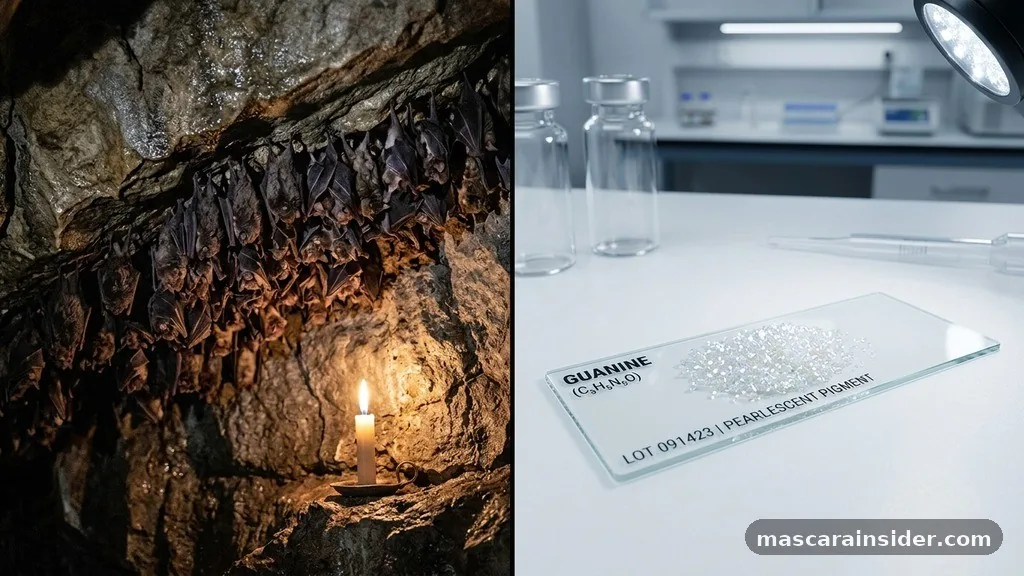
The primary reason people ask if is mascara made from bat poop is a simple case of linguistic confusion between guano and guanine. Guano refers to the accumulated excrement of bats and seabirds, which is highly valued as a fertilizer due to its high nitrogen and phosphorus content. It is a biological byproduct that has absolutely no place in the sterile, highly regulated environment of a cosmetics manufacturing facility.
Guanine, on the other hand, is a crystalline material that produces a pearlescent or shimmering effect. It is a naturally occurring nucleobase found in the DNA and RNA of all living organisms, but in the context of cosmetics, it is extracted from specific sources to create that signature luster.
The two words look and sound similar enough that a rumor mill could easily conflate them, leading to the bizarre idea that bat droppings are a key component in eye makeup. You can rest assured that your mascara does not contain fecal matter from any creature, let alone bats.
The Role of Guanine in Modern Cosmetics
Guanine is a vital component in cosmetic chemistry when a manufacturer wants to achieve a high-shine, iridescent finish. It is often referred to as pearl essence because of its ability to reflect light in a way that mimics the luster of natural pearls. In the context of mascara, this ingredient is sometimes used to add depth or a subtle sheen to the formula, helping lashes appear more vibrant and defined.
When you look at a product label, you might see “CI 75170” or “Guanine” listed, which signals the presence of this pearlescent pigment. It is a safe, inert substance that has been used in the beauty industry for decades.
The perception that this ingredient is derived from animal waste is entirely unfounded. Instead, it is processed through rigorous purification methods to ensure it meets the strict standards required for application near the sensitive skin of the eyes.
Where Does Cosmetic Guanine Actually Come From?
If guanine isn’t sourced from bat droppings, where does it come from? Historically, pearl essence was obtained from crystalized fish scales, specifically those of herring or other silvery fish.
This extraction process involves scraping the scales and treating them to isolate the guanine crystals, which are then suspended in a liquid base. This method is still used today, though it is increasingly being supplemented or replaced by other technologies.
In recent years, the industry has shifted toward more sustainable and ethical practices. While some high-end products still utilize natural fish-derived guanine, many brands have moved toward synthetic mica or other mineral-based pigments. These alternatives provide the same shimmering effect without the need for animal-derived ingredients, making them a popular choice for vegan and cruelty-free makeup lines.
Historical Mascara Ingredients and Their Evolution
The history of mascara is a fascinating journey through ancient chemistry, long before modern cosmetics regulations were established. Early civilizations, including the ancient Egyptians, used a mixture of soot, galena (lead sulfide), malachite, and animal fat to darken their lashes. These historical mascara ingredients were designed for both aesthetic appeal and protection from the harsh desert sun, though they lacked the safety profile we demand today.
As the beauty industry evolved, so did the complexity of mascara formulation. By the 19th century, safer waxes and oils replaced the toxic mixtures of the past.
The transition from crude, homemade pastes to the sophisticated, lab-tested emulsions we use today represents a massive leap in consumer safety. We no longer rely on raw biological materials, focusing instead on advanced polymers and stable pigments that provide long-lasting wear without irritation.
Addressing the Myths of Animal-Derived Ingredients
The beauty industry is frequently subject to rumors about bizarre ingredients, and the question of whether is mascara made from bat poop is just one of many. Other myths often involve claims about crushed beetles, pig fat, or even human remains. While some traditional makeup products did use animal-derived fats or waxes—such as beeswax or lanolin—the modern manufacturing landscape is strictly controlled.
Regulatory bodies like the FDA in the United States and the European Commission maintain stringent oversight regarding what can and cannot be included in eye products. Every ingredient must undergo extensive testing to ensure it is non-toxic and non-irritating.
If a brand were to use something as hazardous as bat waste, it would be an immediate violation of health codes and consumer protection laws. Below is a summary of common ingredients versus the myths surrounding them.
| Common Ingredient | Actual Source | Common Myth |
|---|---|---|
| Guanine | Fish scales or Synthetic Mica | Bat Droppings |
| Beeswax | Honeybees | Animal Fat |
| Iron Oxides | Mineral Deposits | Rust or Dirt |
How Cosmetic Safety is Maintained
The safety of your mascara is a top priority for manufacturers, who operate under strict cosmetics labeling requirements and quality control protocols. Before a mascara reaches the shelves, it must pass a series of tests to ensure it is free from microbial contamination. This is especially critical for eye makeup, as the eyes are highly susceptible to infections.
The process of chemical synthesis and purification ensures that all components, including pigments and preservatives, are pure and stable. If an ingredient like guanine is used, it is processed to remove any organic debris from the source scales.
This results in a sterile, high-purity powder that can be safely mixed into the lash formula. You are essentially using a highly engineered chemical product, not a raw biological one.
Topical Gaps: Why These Myths Persist
You might wonder why the myth about bat poop in mascara continues to gain traction despite the lack of evidence. The primary gap in public knowledge is the lack of transparency regarding how raw materials are processed. Most consumers never look at the back of their mascara tube, and even if they do, the scientific names for ingredients can be opaque and confusing.
Furthermore, social media algorithms thrive on “shock value” content. A video claiming that your makeup contains poop is far more likely to go viral than a dry, factual explanation of how fish scales are processed into guanine.
This creates a cycle where misinformation is shared thousands of times while the truth remains buried in technical documents or ingredient databases. Providing clear, accessible information is the only way to bridge this gap and restore consumer confidence.
- Guanine is a crystalline nucleobase, not a waste product.
- Cosmetics regulations strictly prohibit the use of hazardous biological waste.
- Synthetic mica is increasingly replacing animal-derived pearlescent pigments.
- Microbial testing is a standard, mandatory step in mascara production.
- The similarity between “guano” and “guanine” is the sole source of this rumor.
The Shift Toward Vegan and Cruelty-Free Beauty
The rise of the vegan beauty movement has forced companies to be more transparent about their sourcing. Because consumers now demand to know if their products contain animal-derived ingredients, brands are moving away from traditional sources like fish-scale-derived guanine. This shift is not just about ethics but also about efficiency; synthetic pigments are often more consistent in quality and easier to source reliably.
If you are concerned about the origin of your lash products, look for labels that explicitly state “vegan” or “cruelty-free.” These products almost exclusively use mineral-based pigments and synthetic waxes.
By choosing these brands, you bypass the entire debate surrounding animal-based ingredients and ensure your beauty routine aligns with your personal values. The industry is moving toward a future where “natural” no longer means “unprocessed,” but rather “responsibly sourced and scientifically optimized.”
Navigating Cosmetic Labels Like a Pro
Learning to read an ingredient list is the best way to protect yourself from internet rumors. Most mascaras contain a blend of water, waxes (like carnauba or beeswax), pigments (like iron oxides), and film-formers (like acrylates).
None of these are related to bat waste. If you ever see an ingredient you don’t recognize, you can check it against the International Nomenclature of Cosmetic Ingredients (INCI) database, which provides clear definitions for every substance used in the industry.
When you see “Guanine” on a label, you are looking at an iridescent pigment designed to add luster. When you see “Iron Oxides,” you are looking at the standard mineral pigment responsible for the deep black or brown color of your mascara. By focusing on these standard components, you can see that the chemical reality of your makeup is far removed from the sensationalized stories found on social media.
Summary and Final Thoughts
The rumor that is mascara made from bat poop is a complete fabrication born from a misunderstanding of scientific terminology. Guanine, the ingredient often mistaken for guano, is a safe, pearlescent substance derived from fish scales or created synthetically to provide a shimmering effect in cosmetics. Modern mascara formulations are subject to rigorous safety standards, ensuring that no harmful biological waste enters the supply chain.
By relying on factual information and understanding how to read cosmetic labels, you can enjoy your beauty products with complete peace of mind. If you are ever in doubt, the best approach is to check the ingredient list of your specific product or look for certified vegan options that rely entirely on mineral and synthetic alternatives.
No, mascara does not contain bat poop; the rumor stems from a confusion between guano and guanine.
What is guanine used for in makeup?
Guanine is used as a pearlescent pigment to provide a shimmering or iridescent effect in cosmetic products.
Is guanine sourced from animals?
Historically, it was derived from fish scales, but modern cosmetics increasingly use synthetic mica instead of animals.
Why do people think mascara contains bat droppings?
The myth persists because “guano” (bat waste) sounds similar to “guanine,” a common shimmering ingredient in cosmetics.
Are there animal products in mascara?
Some mascaras contain beeswax or lanolin, but they never contain animal waste or hazardous biological materials.
How are mascara ingredients regulated?
Cosmetics are strictly regulated by agencies like the FDA to ensure all ingredients are safe for human use.
How can I identify vegan mascara?
Look for “vegan” or “cruelty-free” certifications on the packaging, which indicate no animal-derived ingredients were used.


