

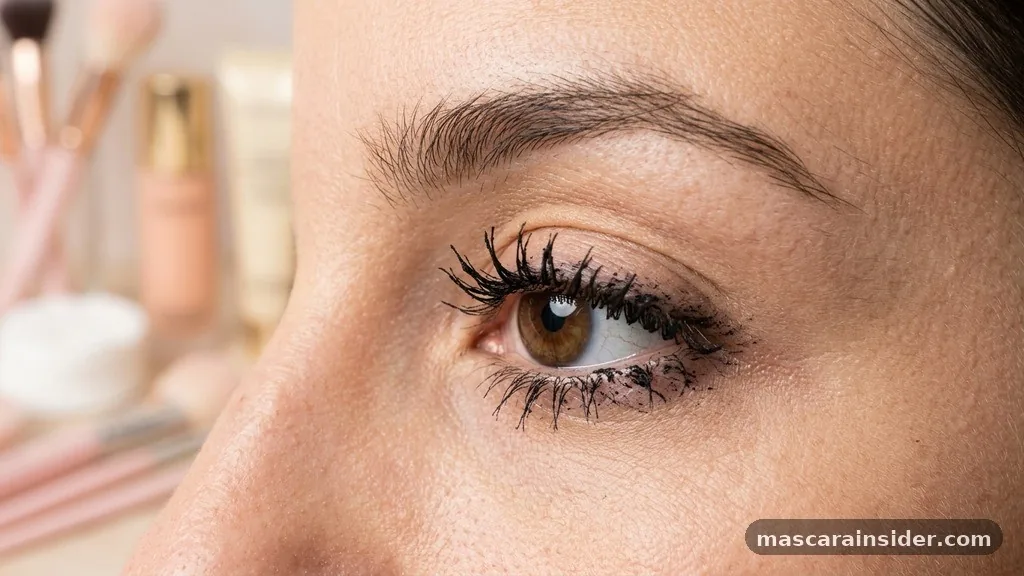
Learning how to get mascara off without damaging your delicate lashes or causing unnecessary eye irritation is a vital part of any skincare routine. Many people struggle with stubborn formulas that refuse to budge, leading to excessive rubbing that can weaken hair follicles over time.
By choosing the right products and employing a gentle technique, you can easily remove every trace of pigment while keeping your eye area hydrated and healthy. This process isn’t just about cleanliness; it’s about preserving the long-term vitality of your lashes and ensuring your skin stays clear of pore-clogging debris.
Understanding Your Mascara Formula
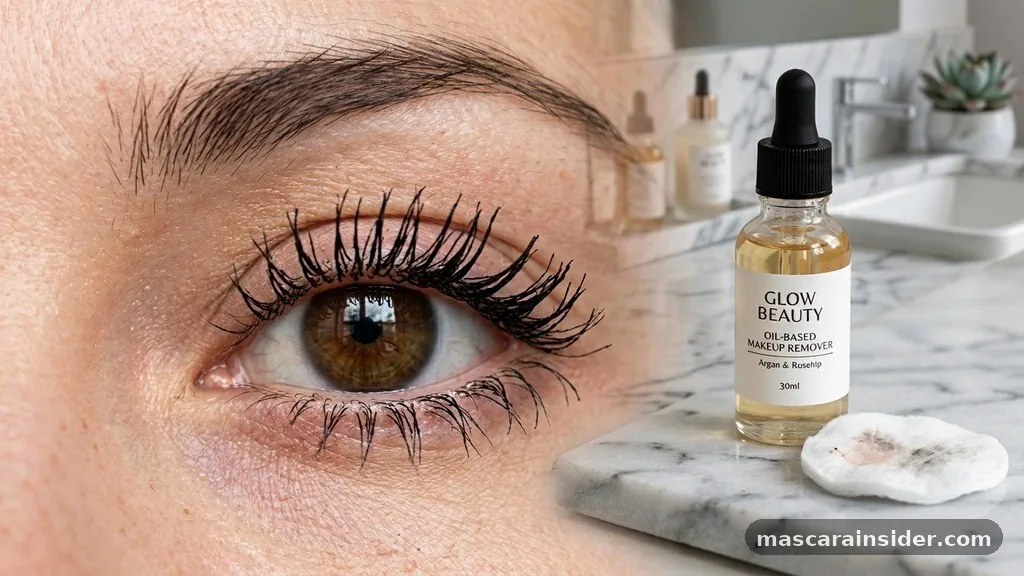
The first step in knowing how to get mascara off effectively involves identifying the type of formula you are currently wearing. Not all products are created equal, and some require specific solvents to break down the polymers without causing damage.
Waterproof formulas, for instance, are designed to withstand moisture and sweat, which means they won’t dissolve with standard soap and water. Using the wrong approach often results in smearing, leaving you with “panda eyes” or, worse, pulling out your natural lashes during the scrubbing process.
Most standard mascaras are water-soluble, meaning they can be removed with a mild cleanser and warm water. However, if you use long-wear or waterproof versions, you need a more robust solution. These formulas contain waxes and silicones that essentially “glue” the pigment to your lash hairs.
To safely dissolve these ingredients, you must use a substance that can break down the chemical bonds. Recognizing what you have on your lashes allows you to select the appropriate remover, saving you time and preventing the frustration of stubborn, leftover residue.
The Science of Double Cleansing
Double cleansing is a technique that has gained immense popularity for its ability to thoroughly remove makeup while respecting the skin’s natural barrier. When you focus on how to get mascara off, this method is particularly effective.
The first step involves using an oil-based cleanser or a cleansing balm to melt away the oil-soluble components of your makeup, including heavy mascaras and sunscreen. This initial phase lifts the pigment away from the lashes and skin, allowing it to be rinsed away easily.
Once the makeup is dissolved, the second step uses a water-based cleanser to remove any remaining impurities and the oily residue left behind by the first product. This two-part approach ensures that your lash line is completely clean without the need for harsh rubbing.
By incorporating this into your evening routine, you significantly reduce the risk of makeup residue build-up, which can lead to clogged follicles and potential eye infections. It is a gentle yet powerful way to ensure your eyes are perfectly clear before you apply your nightly skincare treatments.
Effective Use of Micellar Water
Micellar water has become a staple in many bathrooms because of its unique ability to attract dirt and makeup like a magnet. It consists of tiny oil molecules suspended in soft water, which effectively lift debris without requiring you to rinse your face afterward.
If you are learning how to get mascara off, saturating a cotton pad with this solution is often the most efficient starting point. The trick is to be patient and allow the product to do the heavy lifting for you.
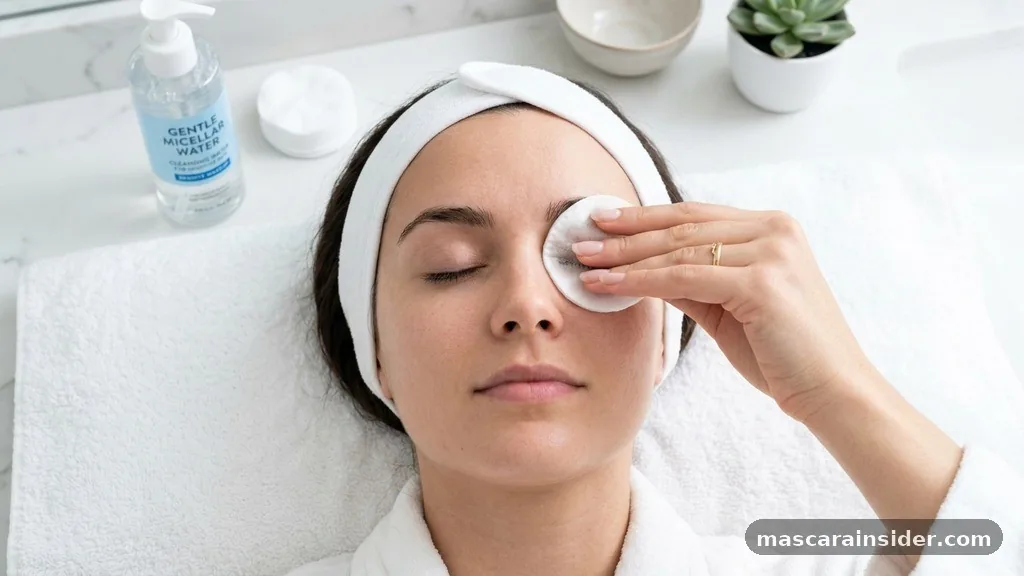
Simply soak the cotton pad in micellar water and press it gently against your closed eyelid for about thirty seconds. This “soaking” period allows the micelles to break down the mascara polymers. After the time is up, gently swipe downward along the lashes rather than rubbing back and forth.
You will notice that the mascara transfers onto the pad rather than smearing onto your skin. This method is exceptionally gentle, making it perfect for those with sensitive eyes who want to avoid the stinging sensation associated with harsher chemical removers.
Natural Oils for Stubborn Formulas
If you find yourself without a dedicated makeup remover, certain natural oils can be excellent alternatives for breaking down even the most stubborn waterproof mascara. Jojoba oil, coconut oil, and castor oil are popular choices because they can dissolve wax-based pigments while simultaneously conditioning the lashes. These oils mimic the natural sebum produced by your skin, making them highly compatible and safe for most users. However, it is essential to use pure, high-quality oils to avoid introducing impurities near the eye area.
To use these oils, place a small amount on your fingertips or a clean cotton swab. Massage the oil gently into your lashes, paying close attention to the roots where the most product accumulates. Let it sit for a minute to allow the oil to penetrate the mascara.
Once the product has softened, use a warm, damp cloth to wipe everything away. Not only does this method effectively clear the pigment, but it also promotes better eyelash health by providing moisture to the hair shafts, potentially making your lashes look fuller and shinier over time.
Avoiding Common Mistakes and Irritation
Many people inadvertently cause eye irritation by using improper removal techniques that involve too much physical friction. The skin around the eyes is the thinnest on the entire body, and the lashes themselves are fragile.
If you find yourself tugging or pulling, you are likely using a product that isn’t strong enough to break down the mascara or you aren’t giving the remover enough time to act. Always aim for a “press and hold” method rather than a “scrub and pull” approach to keep your lash line intact.
Another common mistake is failing to cleanse the lower lash line properly. Often, we focus so much on the top lashes that we leave residual mascara on the bottom, which can migrate into the eyes overnight and cause redness or discomfort. Use a clean q-tip dipped in your preferred remover to get into the crevices between the lashes.
This level of detail prevents long-term irritation and ensures that your eyes feel refreshed every morning. Remember, if your eyes feel tight or itchy after removing makeup, you might be having a reaction to a specific ingredient in your cleanser.
Addressing Topical Gaps: Lash Extensions and Sensitive Eyes
A frequently overlooked aspect of this topic is how to safely remove makeup when you have lash extensions. If you wear extensions, you must avoid oil-based products entirely, as oil breaks down the adhesive bond that keeps the extensions attached.
Instead, look for oil-free, water-based cleansers specifically formulated for lash extensions. Use a soft, lint-free applicator or a clean spoolie brush to gently clear away any debris near the base of the extensions without snagging them.
For those with extremely sensitive eyes, even “gentle” products can sometimes cause a reaction. If you suffer from frequent stinging, check for fragrances, alcohol, or preservatives like parabens in your makeup remover, as these are common triggers.
Switching to a fragrance-free, ophthalmologist-tested formula can make a world of difference. Additionally, if you wear contacts, always remove them before cleaning your eyes to prevent trapping makeup particles or cleaning solution behind the lens, which can cause significant irritation throughout the day.
Comparing Removal Methods
When choosing how to get mascara off, it helps to compare the efficacy and skin benefits of different methods. The following table provides a quick reference to help you decide which approach fits your nightly routine best.
| Method | Best For | Key Benefit |
|---|---|---|
| Micellar Water | Sensitive skin/Daily wear | Non-greasy and requires no rinsing |
| Oil-Based Cleanser | Waterproof mascara | Dissolves stubborn wax/polymers quickly |
| Natural Oils | Dry lashes/Natural care | Conditions lashes while removing makeup |
| Cleansing Balm | Full-face makeup wearers | Melts away all makeup without stripping |
The Role of Gentle Exfoliation
While you should never scrub your lashes, gentle exfoliation of the eyelid skin can help keep the area clear. Over time, dead skin cells and dried mascara can accumulate at the base of the lashes, potentially blocking the oil glands that keep your eyes lubricated.
Using a very soft, damp washcloth or a specialized silicone lash brush, you can perform a light massage along the lash line. This helps clear away stubborn particles that standard wiping might miss.
Be extremely careful when exfoliating near the eye. The goal is to lift away debris, not to irritate the skin. If you notice any flaking or redness, stop the exfoliation immediately and focus on hydration.
Using a soothing eye cream after your cleansing routine can help replenish the area and maintain the suppleness of the skin. By keeping the lash follicles clean and clear, you create an environment where your natural lashes can grow without being hindered by heavy, stuck-on residue.
Essential Tips for Eyelash Health
Your lashes deserve as much care as the rest of your skin. If you are frequently wearing mascara, you should adopt habits that prioritize eyelash health to prevent breakage and thinning. One of the best things you can do is to have “makeup-free days” whenever possible.
Giving your lashes a break from heavy formulas allows them to recover and prevents the accumulation of product that can make them brittle. If you notice your lashes falling out more than usual, it may be a sign that your mascara is too old or your removal technique is too aggressive.
Another crucial tip is to replace your mascara every three months. Old mascara is not only harder to remove because it becomes clumpy and dry, but it also becomes a breeding ground for bacteria. Using expired products increases the risk of eye infections and makes the removal process much more difficult.
When selecting a new mascara, consider choosing formulas that contain nourishing ingredients like vitamin E or panthenol. These additives can protect the hair shaft, making the eventual removal process much smoother and less taxing on your delicate lashes.
Conclusion
Mastering how to get mascara off is a simple yet impactful way to elevate your skincare routine and protect your eye area from unnecessary stress. By understanding your specific mascara formula and choosing the right removal method—whether that is micellar water, an oil-based cleanser, or natural oils—you can ensure your lashes remain healthy and strong. Avoiding harsh rubbing and being mindful of your products will keep your eyes bright and irritation-free.
If you have any specific concerns about lash health or product reactions, feel free to reach out or consult with a dermatologist to find the perfect routine for your needs. Consistently practicing these gentle habits will make a noticeable difference in the long-term vitality of your lashes.
FAQ Section
Can I use petroleum jelly to remove mascara?
Yes, petroleum jelly is effective at dissolving waterproof mascara, though it can feel heavy and leave a residue.
Is it okay to leave mascara on overnight?
No, leaving mascara on overnight can lead to lash breakage, eye irritation, and potential bacterial infections or styes.
What is the easiest way to take off waterproof mascara?
The easiest way is using an oil-based cleanser or balm to dissolve the waterproof waxes before rinsing away.
Can you wash off mascara with just water?
Standard water is ineffective against most mascaras and may cause smearing; you need a surfactant or oil-based product.
How do I remove mascara without losing eyelashes?
Avoid pulling or rubbing; soak your lashes with an oil-based remover for 30 seconds to dissolve product gently.
Does castor oil help with eyelash health?
Castor oil is widely believed to condition lashes, potentially making them appear thicker and healthier with regular use.
What should I do if my eyes feel irritated after removal?
Rinse your eyes with cool water, stop using the current remover, and apply a soothing, fragrance-free eye cream.


