

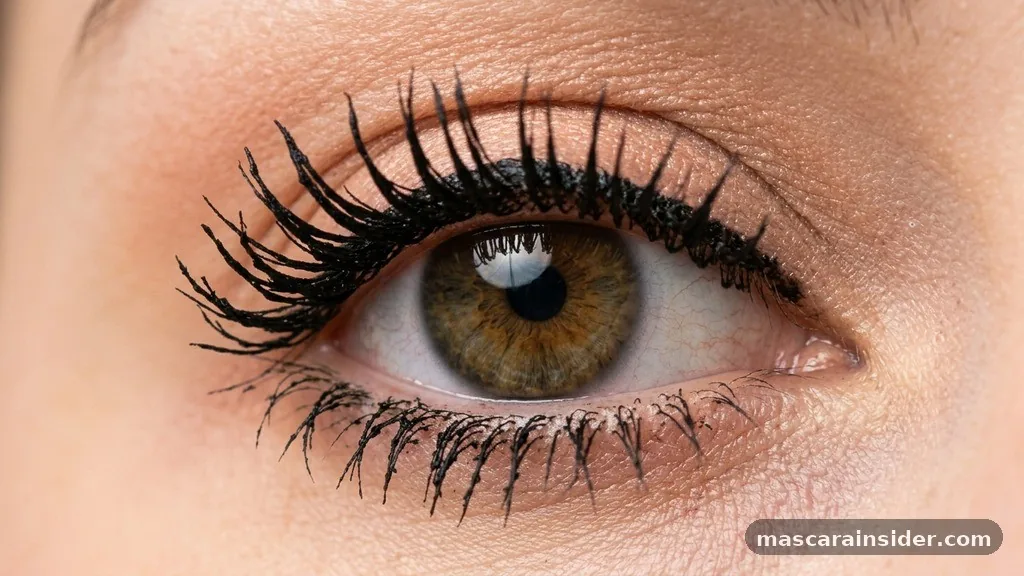
Stubborn eye makeup can feel like a battle of wills at the end of a long day. If you have ever struggled with how to remove waterproof mascara, you know that standard soap and water rarely do the trick. These formulas are designed to withstand sweat, tears, and humidity, which means they contain hardy polymers that resist traditional cleansers.
Using the wrong techniques, like harsh scrubbing or tugging at your lids, can lead to irritation and even premature lash loss. By shifting your approach to focus on gentle dissolution rather than physical removal, you can keep your eyes clear and your lashes healthy without any unnecessary strain.
Understanding Why Waterproof Mascara Sticks
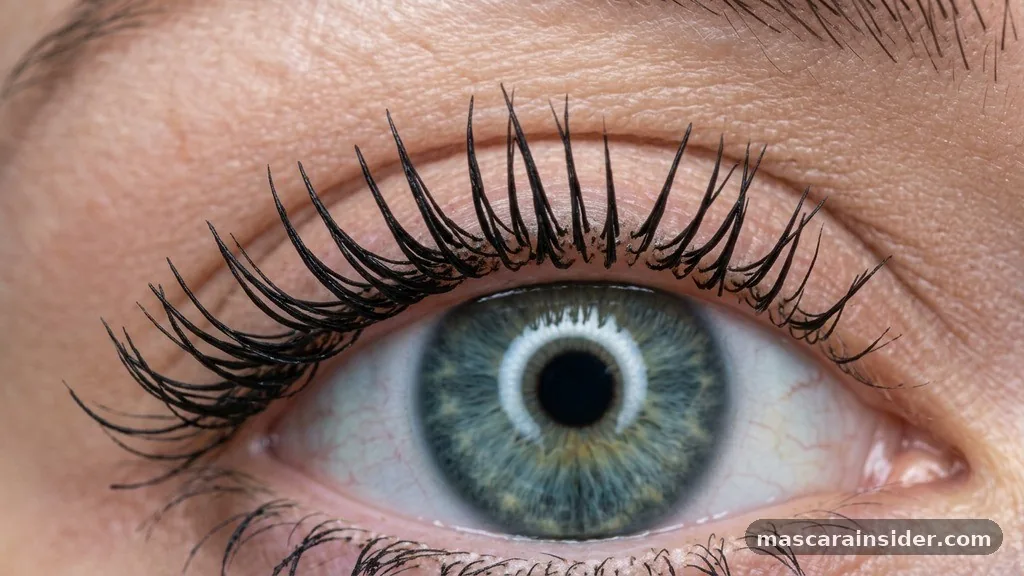
Waterproof mascara stays put because of its chemical composition, specifically the presence of hydrophobic waxes and resins. These substances create a waterproof polymer barrier around each individual lash, shielding the pigment from moisture.
Unlike regular mascara, which is water-soluble, these products require a specific solvent to break the bond between the makeup and the hair cuticle. Water alone cannot dissolve these materials, which is why splashing your face at the sink often results in nothing but dark smudges under your eyes.
The secret to success lies in matching the chemistry of the product. Because the ingredients in your mascara are oil-resistant, they are highly soluble in oils. When you introduce an oil-based medium to the surface of the lashes, the waxes begin to soften and lift away from the hair shaft.
This process minimizes the need for friction, which is the primary cause of eyelash breakage during the makeup removal routine. If you find yourself having to rub your eyes repeatedly, you are likely using a product that lacks the proper solvency to break down those heavy-duty polymers effectively.
Selecting the Right Oil-Based Cleanser
An oil-based cleanser is widely considered the gold standard for removing long-wear eye makeup. These products are formulated as an oil-in-water emulsion or pure oil blends that interact instantly with the waxes in your mascara.
By applying these cleansers to dry skin, you allow the oil to saturate the lashes completely before adding water. This emulsification process turns the stubborn, hardened mascara into a liquid state that rinses away effortlessly, leaving your skin clean and your lashes feeling soft.
Choosing the right oil-based option depends on your specific skin type and sensitivity. If you have sensitive skin, look for fragrance-free formulas that prioritize simple, non-comedogenic oils.
These cleansers not only remove the makeup but also provide a degree of conditioning to the delicate hairs around your eyes. Unlike harsh makeup removers that can strip away natural oils and leave the skin feeling tight or dehydrated, a quality oil cleanser maintains the skin’s moisture barrier while ensuring every trace of pigment is removed.
The Efficiency of Bifacial Makeup Removers
A bifacial eye makeup remover is a specialized product designed specifically for the toughest cosmetic formulas. You can recognize these by their distinct appearance; they consist of two separate layers, usually a clear oil phase and a colored water phase.
When you shake the bottle, these two components mix temporarily to form an active solution that combines the cleansing power of oil with the refreshing, non-greasy feel of water. This dual-action approach is highly effective for heavy-duty eye looks, including waterproof mascara and long-wear eyeliner.
To use these effectively, always shake the bottle vigorously right before application. Saturate a high-quality cotton pad with the solution and press it firmly against your closed eyelid. Let it sit for at least twenty to thirty seconds.
This “soaking” period is crucial because it allows the solvent to penetrate the layers of mascara. Once the time is up, gently swipe downward. You should see the mascara transfer onto the pad rather than smearing across your eyelid, which keeps the process clean and efficient.
Natural Alternatives for Lash Health
Many people prefer using natural oils as a cost-effective and gentle way to clean their lashes. Coconut oil, almond oil, and jojoba oil are popular choices because they are excellent at breaking down stubborn waxes without introducing synthetic chemicals to the eye area. These oils are also packed with fatty acids that can promote lash health, acting as a leave-in treatment while you cleanse. However, it is important to choose high-quality, cold-pressed oils to avoid potential irritation or contamination.
Using petroleum jelly is another common home remedy for removing resistant eye makeup. Its thick, emollient texture creates a barrier that softens waterproof mascara almost instantly. While it is highly effective, it can be quite heavy and may cause temporary blurriness if it gets into your eyes.
If you choose this route, use a very small amount and follow up with a gentle face wash to ensure no residue remains. Always wipe away the excess thoroughly to prevent clogged pores around the lash line.
Avoiding Common Mistakes During Removal
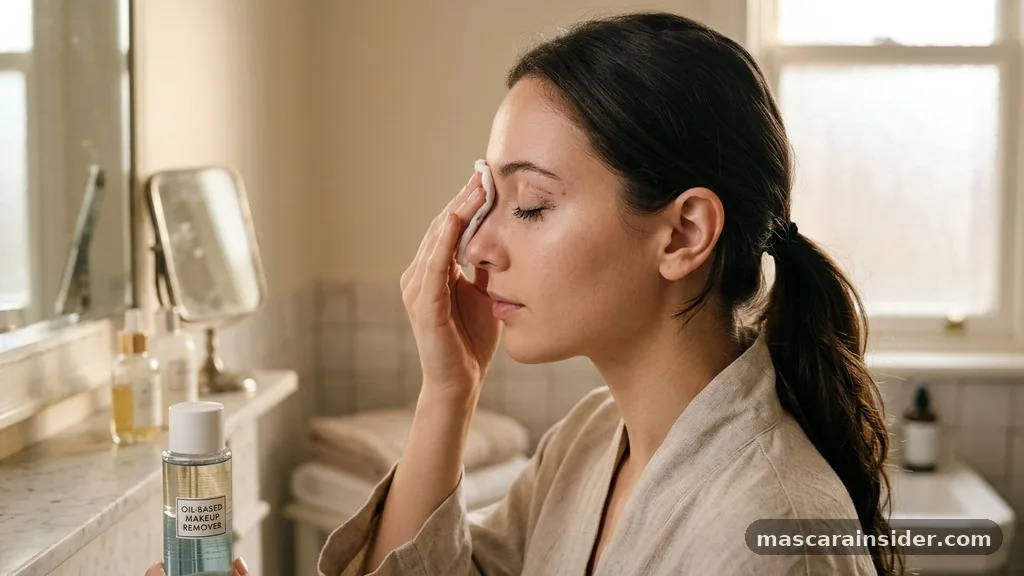
Even with the right product, poor technique can sabotage your efforts and damage your lashes. One of the most frequent mistakes is aggressive rubbing. The skin around the eyes is the thinnest on the face, and the lashes are delicate structures that can easily snap under pressure.
If you are struggling to remove the product, do not increase the intensity of your scrubbing. Instead, increase the dwell time of your chosen cleanser. Patience is the most important tool you have.
Another common error is failing to remove makeup entirely before going to sleep. Leaving mascara on overnight causes the lashes to become brittle and stiff, which leads to breakage the next morning when you brush them or apply new makeup. Furthermore, lingering residue can cause irritation or even lead to eye infections.
Dedicate the necessary time to ensure your lash line is completely clear. If you use a lash curler, ensure the lashes are clean first; using a curler on mascara-coated lashes is a recipe for snapping them off at the root.
Essential Tools for a Clean Routine
Your choice of application tool makes a significant difference in how effectively you can remove waterproof mascara. Standard facial wipes are often too abrasive and frequently lack the necessary oil content to dissolve waterproof products. Instead, rely on soft, reusable cotton pads or microfiber cloths.
These materials are gentle on the skin and provide a better surface for the cleanser to grip the makeup. Microfiber cloths are particularly effective because they can grab onto pigment particles without requiring much pressure.
For those who wear heavy eyeliner or tight-lined looks, a cotton swab (Q-tip) is an essential secondary tool. After you have removed the bulk of the mascara with a pad, dip a cotton swab into your cleanser and run it carefully along the base of your upper and lower lash lines.
This ensures that no hidden pigment is left trapped between the lashes. This level of detail prevents the dreaded “raccoon eyes” the next morning and keeps your lash follicles clear of buildup, which is vital for long-term health.
| Method | Best For | Key Benefit |
|---|---|---|
| Oil-Based Cleanser | All skin types | Deep dissolution of polymers |
| Bifacial Remover | Heavy waterproof makeup | Rapid, dual-action breakdown |
| Coconut/Almond Oil | Sensitive skin | Natural conditioning properties |
| Petroleum Jelly | Stubborn, thick formulas | High emollient softening power |
Addressing Common Topical Gaps
A common question often overlooked is how to handle the “after-removal” phase. Many people stop at simply wiping off the makeup, but caring for the eye area afterward is just as important. Once the mascara is gone, your eyelids may feel slightly oily or sensitive.
Use a gentle, pH-balanced facial cleanser to wash away any remaining residue. Following this with a lightweight, soothing eye cream can help restore hydration to the area, especially if you have sensitive skin that reacts to the friction of removal.
Another gap involves the use of waterproof mascaras on a daily basis. While they are convenient, using them every single day can take a toll on your lashes due to the constant need for heavy-duty removal.
If you notice your lashes becoming sparse or brittle, consider switching to a water-resistant formula that is easier to remove, or reserve the heavy-duty waterproof versions for special occasions. Giving your lashes a “break” during the week allows them to recover their natural flexibility and strength.
Maintaining Long-Term Lash Health
Consistent removal is only one part of the equation when it comes to maintaining healthy lashes. Incorporating a lash serum into your nighttime routine can help counteract the effects of daily makeup wear.
Look for serums containing peptides or biotin, which support the hair growth cycle and help strengthen the lash structure. Applying this after your face is clean and dry ensures the product can be absorbed directly into the lash line without being blocked by oil or makeup residue.
Pay attention to the expiration dates of your mascaras as well. A product that has been open for more than three months is prone to drying out and becoming clumpy, which forces you to apply more layers and work harder to remove it later.
Fresh mascara applies more smoothly and is generally easier to wipe away at the end of the day. Keeping your makeup kit organized and replacing old products is a simple habit that directly impacts how much stress you put on your eyes during your nightly routine.
Conclusion
Mastering the art of removing waterproof mascara is primarily about patience and choosing the right chemistry for the job. By relying on oil-based cleansers or bifacial formulas rather than physical scrubbing, you protect your delicate eye area and ensure your lashes remain strong and healthy. Whether you prefer the convenience of a professional-grade makeup remover or the simplicity of natural oils, the goal is always to dissolve the stubborn polymers gently.
Taking these extra moments each night prevents irritation and keeps your eyes looking bright and refreshed. If you find your current routine causes redness or lash loss, try switching to a more gentle method and watch how quickly your eye health improves. With the right techniques in your toolkit, the end of the day becomes a relaxing ritual rather than a chore.
Does petroleum jelly effectively remove waterproof mascara?
Yes, it acts as an emollient that softens the wax in mascara, making it easy to wipe away.
Can I use micellar water for waterproof mascara?
Standard micellar water often struggles with waterproof formulas; use a dedicated oil-infused version for better results.
Why is my eye area irritated after removing makeup?
Irritation usually stems from excessive rubbing or using harsh, non-oil-based products that strip natural moisture away.
Is it necessary to use a bifacial makeup remover?
It is not mandatory, but these removers are highly efficient at breaking down heavy-duty, long-wear cosmetic polymers.
How can I prevent lash breakage during removal?
Avoid pulling or tugging; let the oil-based product sit on your lashes to dissolve the mascara before wiping.
What is the best way to remove residue from the lash line?
Use a cotton swab dipped in your cleanser to gently clean between the lashes after the initial wipe.
Should I use oil-based cleansers if I have oily skin?
Yes, oil-based cleansers are effective for all skin types and actually help dissolve excess sebum and oil-based makeup.


