

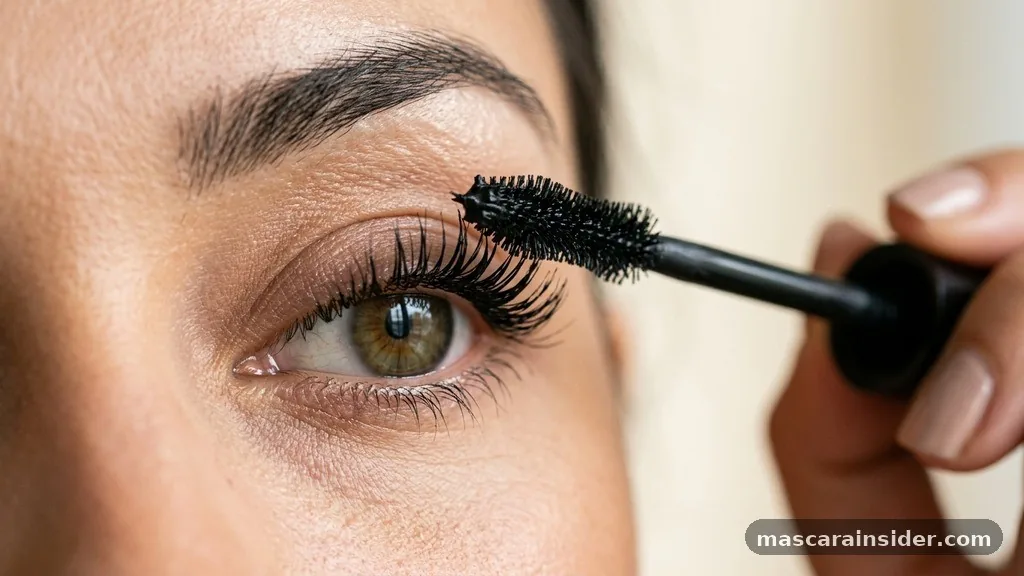
People often wonder what is mascara for when they look at the sheer variety of tubes lining beauty aisles. At its core, this cosmetic staple serves to darken, thicken, and lengthen the appearance of eyelashes, effectively framing the eyes to create a more defined and expressive look.
While it might seem like a simple tool for vanity, understanding its role involves looking at how specific chemical structures interact with delicate hairs to provide aesthetic enhancements. Whether you are aiming for a natural daytime look or dramatic evening glamour, knowing the intended purpose of this product helps you choose the right formula for your specific lash goals.
The Core Function of Eyelash Enhancement
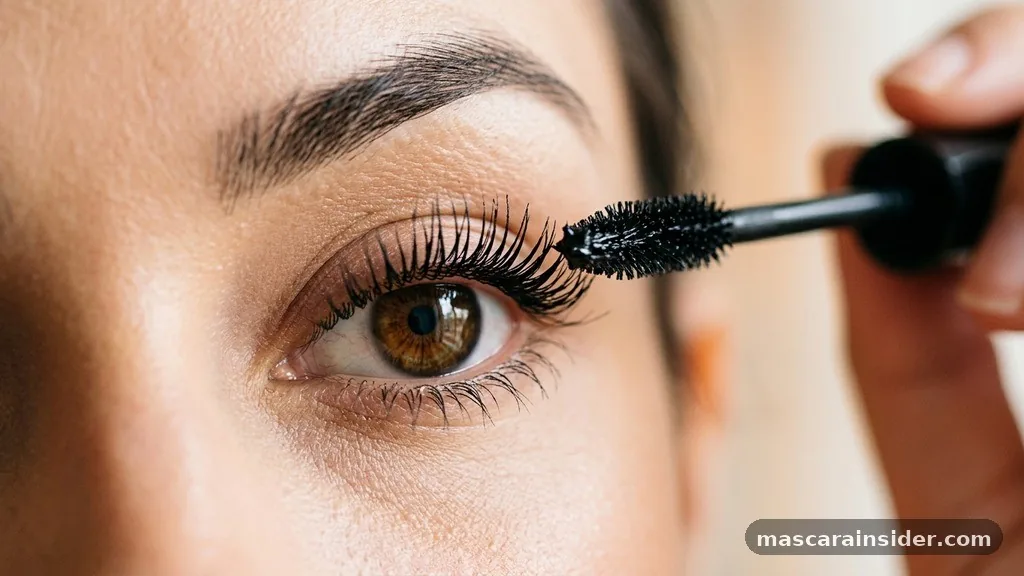
The primary purpose of applying a cosmetic pigment to your eyelashes is to enhance the contrast between your lashes and the surrounding skin. By coating each individual hair in a dark, usually black or brown, substance, you create a stronger visual frame for the eye itself. This simple act of darkening makes lashes appear thicker and more prominent, which inherently draws attention to the eyes and makes them look more awake.
Beyond just adding color, the product is designed to alter the silhouette of your lash line. A high-quality volumizing formula works by depositing material onto the hair shaft, effectively increasing its diameter.
When you apply these products, you are not just painting the hair; you are physically building up layers that create the illusion of density. For individuals with sparse or fine lashes, this structural support is what makes the product truly indispensable.
Mechanical Role of the Mascara Wand
The mascara wand is just as critical to the final result as the liquid formula housed inside the tube. Its design dictates how the product is distributed, allowing for precision in application that manual techniques simply cannot replicate. The bristles or silicone teeth on the wand serve to comb through the lashes, ensuring that the pigment is applied evenly from root to tip.
This mechanical action is essential for achieving proper lash separation. Without a well-designed wand, the product would clump, causing lashes to stick together in unsightly clusters rather than fanning out beautifully.
By using the wand to wiggle through the base of the lashes and pull upward, you are effectively detangling the hairs while simultaneously coating them. This process mimics the effect of a lash comb, providing a polished and professional finish that separates the individual strands for a wide-eyed appearance.
How Lengthening Polymers Change Lash Appearance
Many modern products contain specialized lengthening polymers that stretch the visual impact of your lashes beyond their natural growth cycle. These molecules are designed to adhere to the tips of the lashes, creating a flexible extension that defies gravity. When you apply a product enriched with these agents, you aren’t just darkening the hair; you are adding a microscopic extension that builds up with every stroke.
These polymers are often combined with cellulose fibers to provide a more dramatic effect. The fibers cling to the lashes, adding actual length and volume that a traditional wax-based formula alone cannot achieve.
This hybrid approach is popular because it allows for a dramatic, falsie-like look without the need for glue or professional extensions. Understanding this chemistry helps you identify which tubes are best suited for building length versus those meant primarily for thickening.
Ensuring Ocular Safety and Health
Because you are applying a chemical substance directly to the hairs surrounding your eyes, ocular safety must be a priority for every consumer. The eye area is incredibly sensitive, and the wrong ingredients can cause irritation, redness, or even allergic reactions. Manufacturers are tasked with creating formulas that are stable, non-toxic, and resistant to bacterial growth, especially given the moist environment of the eye.
It is highly recommended to look for products that are ophthalmologist-tested, which indicates that the formula has been vetted for its potential impact on eye health. Furthermore, those with sensitive skin or eyes should prioritize hypoallergenic ingredients that minimize the risk of contact dermatitis. Understanding what goes into your tube is a vital part of protecting your vision and maintaining the comfort of your eyes throughout the day.
The Science of Waterproof and Smudge-Proof Formulas
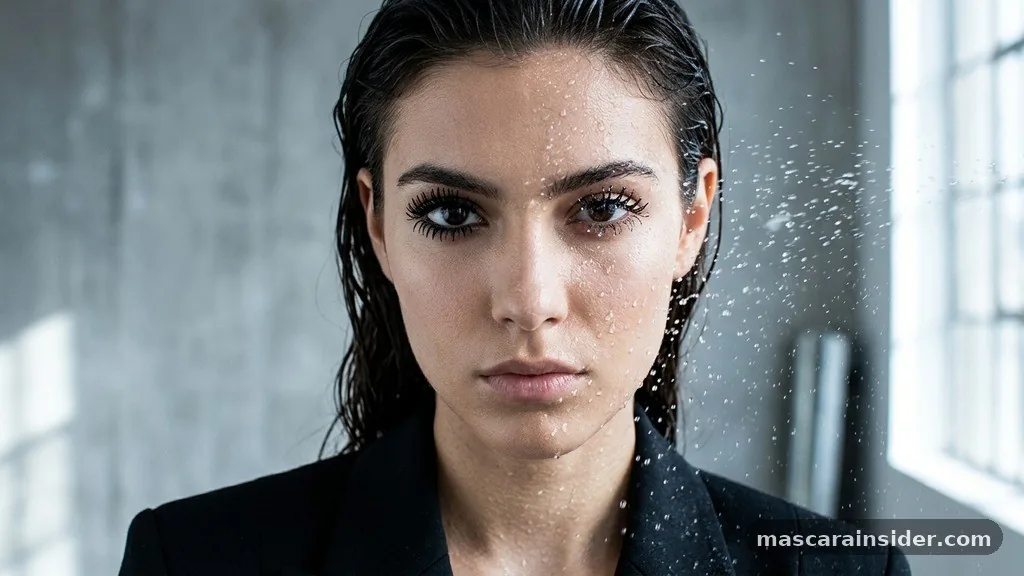
If you have ever wondered why some products stay put during a workout or a rainy day while others smear, the answer lies in the base ingredients. Waterproof mascara typically relies on synthetic waxes and volatile solvents that create a hydrophobic barrier. This barrier prevents moisture—whether it’s rain, sweat, or tears—from breaking down the pigment and causing it to run.
On the other hand, smudge-proof formulas are designed to resist the oils naturally produced by your skin. These formulas often form a “tube” around the lash that remains solid until it is dissolved by warm water.
This is a significant distinction, as waterproof options usually require a dedicated eye makeup removal process involving oil-based cleansers. Choosing between these types depends on your lifestyle and your willingness to invest time in the removal process at the end of the day.
What Is Mascara For: Addressing Common Topical Gaps
There are several persistent questions regarding the utility of this product that often go unanswered in general beauty guides. One common query is whether it is necessary to use it every day.
The answer depends entirely on your aesthetic preference; there is no medical requirement to wear eye makeup. However, it can certainly help in professional settings where a polished appearance is preferred.
Another gap in knowledge involves the practice of applying it to different hair types. While the product is specifically formulated for eyelashes, some people ask if it can be used on eyebrows.
While the pigments are similar, the wand and formula viscosity are optimized for the fine, delicate structure of lashes. Using it on brows can lead to an unnatural, stiff look.
Differences by Product Type
| Feature | Volumizing Formula | Lengthening Formula |
|---|---|---|
| Primary Goal | Thicken lash base | Extend lash tips |
| Consistency | Thick, creamy | Thin, polymer-rich |
| Wand Shape | Large, dense bristles | Slim, tapered brush |
| Best For | Sparse lashes | Short lashes |
The Ritual of Lash Curling
Often, the most effective way to understand what is mascara for is to see how it interacts with lash curling. While the product itself can add weight, it is the mechanical curl that lifts the eyes and opens the face. Applying a formula while the lashes are curled helps to “lock in” that shape, acting as a structural support for the upward arc.
When you apply the product to curled lashes, you are essentially setting the hair in place. Without this step, even the best formula might drag the lashes down due to the weight of the pigments and waxes.
This is why many makeup artists emphasize the importance of curling first, as it provides the foundation upon which the mascara can build. By combining these two steps, you achieve a more dramatic and long-lasting effect that highlights the natural beauty of your eye shape.
Effective Eye Makeup Removal Techniques
The final part of the cycle is the removal process, which is just as important as the application. Because the product is designed to be durable, trying to rub it off with plain water is often ineffective and can lead to lash breakage. Proper eye makeup removal involves using a gentle, oil-based cleanser or a dedicated micellar water to break down the cosmetic pigment and waxes.
Soaking a cotton pad in your chosen remover and holding it against your closed eye for twenty seconds allows the product to dissolve fully. This prevents the need for harsh scrubbing, which can damage the skin around the eyes and cause lashes to fall out prematurely. Maintaining the health of your natural lashes is the best way to ensure that your makeup looks good every time you apply it.
The Role of Mascara in Modern Beauty
Ultimately, the purpose of this cosmetic tool is to provide a customizable way to frame the eyes. It is a versatile product that allows for subtle enhancements or bold, high-fashion statements. By understanding the ingredients—such as the role of synthetic waxes and lengthening polymers—you become a more informed consumer who can better navigate the options available.
Whether you are looking for a simple way to look more awake or a professional-grade solution for dramatic lash definition, knowing exactly how these products function makes the process easier. The beauty of this product lies in its ability to transform a look with just a few strokes of the wand. It remains a fundamental tool in the makeup kit because of its unique ability to combine aesthetic impact with functional, everyday convenience.
Conclusion
Understanding what is mascara for gives you the confidence to select products that truly benefit your look. By balancing the need for volume, length, and eye safety, you can create a routine that feels both effective and enjoyable. Remember that the health of your lashes is paramount, so always prioritize gentle removal and quality products that respect your sensitive eye area.
Whether you prefer a natural flutter or a bold, dramatic lash, the right choice of formula and wand will help you achieve your desired aesthetic every time. If you have been looking for ways to refine your beauty routine, start by assessing your current lash needs and exploring the vast array of options available to suit your unique style.


