

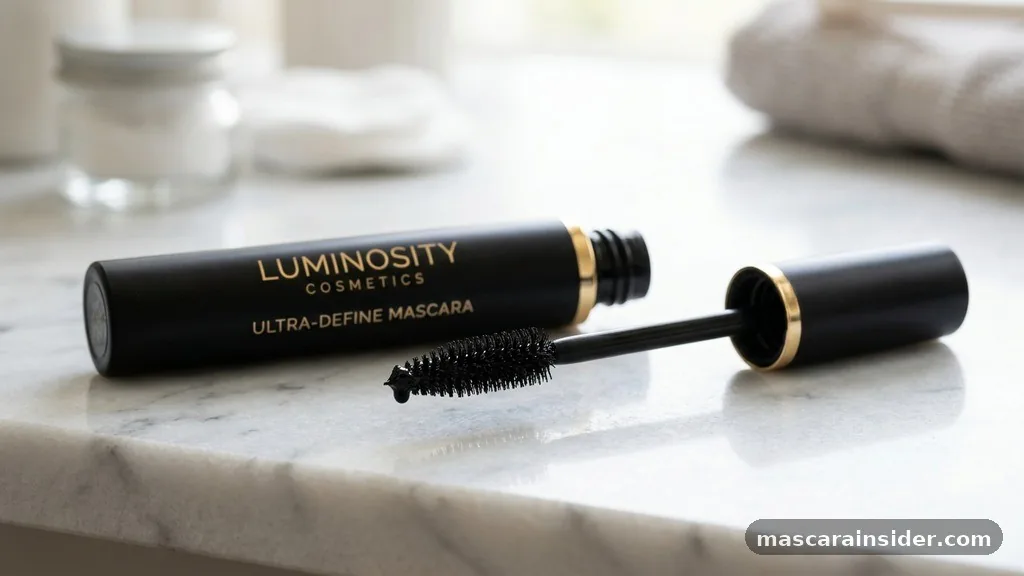
Knowing exactly how long does a tube of mascara last is a critical part of maintaining your eye health. While we often think of makeup as a stable product, the reality is that the wet environment inside a tube creates the perfect breeding ground for microorganisms. Most beauty experts suggest replacing your mascara every three months, though individual habits and product types can change that timeline.
Understanding the science behind your cosmetics helps you avoid unnecessary risks while ensuring your lashes always look their best. In this article, we will break down the shelf life of your favorite beauty staple and explain the specific signs that it is time to move on to a fresh tube.
The Science of Mascara Shelf Life
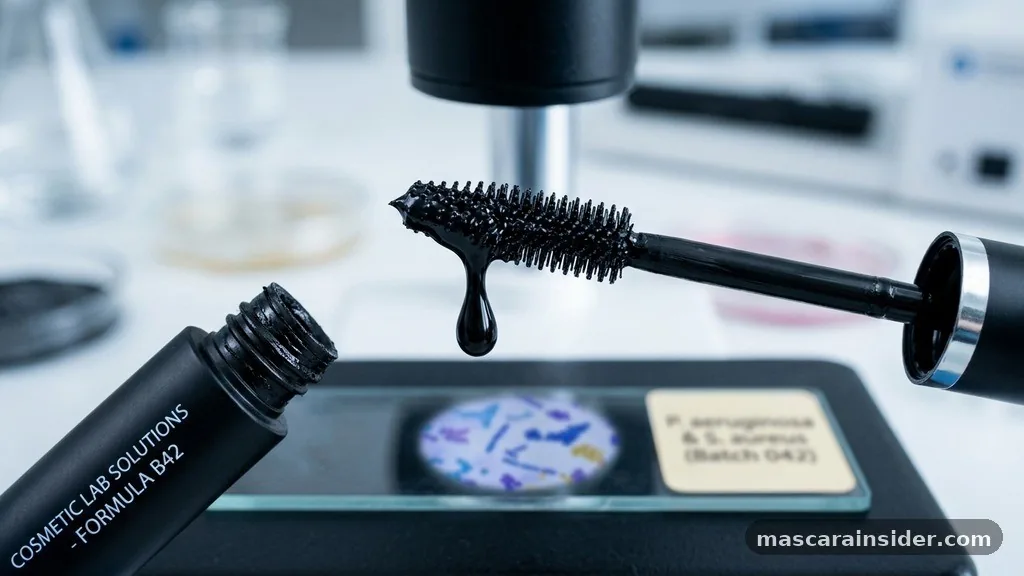
Mascara is fundamentally different from other makeup products like powder eyeshadows or blushes. Because it is a liquid-based cosmetic applied to the sensitive area around the eyes, the mascara formula is engineered to be highly stable, yet it remains susceptible to environmental factors.
Manufacturers include a preservative system in every tube to keep microbes at bay, but these preservatives aren’t designed to last forever. Once the seal is broken, the clock starts ticking on the product’s effectiveness and safety.
The primary reason for the short recommended lifespan is the risk of bacterial growth. Every time you pull the mascara wand out of the tube and return it, you introduce air and potential contaminants into the container. Over several weeks, these microscopic invaders can multiply within the dark, damp environment of the tube.
While your immune system is robust, the delicate tissues of the eye are particularly vulnerable to pathogens. When you apply old makeup, you are essentially painting your lash line with a concentrated mixture of dust, skin cells, and bacteria that have been sitting in your makeup bag.
Reading the PAO Symbol on Your Packaging
Most consumers overlook the tiny icon on the back of their makeup packaging, but it is the most reliable indicator of how long your product is intended to stay fresh. Look for the PAO symbol, which stands for period after opening.
It usually looks like a small open jar with a number and a letter inside, such as “6M” or “3M.” This symbol tells you exactly how many months the manufacturer guarantees the product will remain stable and safe for use after the initial seal is broken.
For mascara, you will almost always see a “3M” or “6M” designation. This is not a suggestion; it is a safety guideline based on the product’s chemistry. If a brand specifies that their formula is only safe for three months, using it for four or five months is gambling with your ocular health.
The expiration date printed on the box refers to the unopened product, but the PAO symbol is your true guide for a product currently in your rotation. Always check the base of your tube or the original box to see if the brand has specific requirements that differ from the general industry standard.
Common Signs That Your Mascara Has Expired
Even if you haven’t reached the three-month mark yet, your product might signal that it is time for a replacement. A primary indicator is a change in the texture or consistency of the liquid.
If you notice dry mascara that flakes off during application or clumps heavily on the wand, the volatile ingredients that keep the formula smooth have likely evaporated. Once the formula dries out, it loses its ability to coat your lashes evenly, leading to an uneven, spidery appearance.
Another major red flag is a noticeable change in scent. Fresh mascara usually has a very faint, chemical, or slightly waxy smell. If you open your tube and detect a sharp, sour, or “off” odor, it is an immediate sign that the preservative system has failed and the product has degraded.
Furthermore, if you notice that the product is separating—where the oil and pigment no longer blend—do not try to “fix” it by adding water or oil. Adding external substances introduces new bacteria and further compromises the chemical balance of the makeup, increasing your risk of eye irritation.
The Dangers of Using Expired Eye Makeup
The most significant risk associated with holding onto old makeup is the development of an eye infection. Because the eyes are constantly moist, they are prime targets for opportunistic bacteria like Staphylococcus epidermidis or Pseudomonas aeruginosa.
A common consequence of using contaminated brushes or old formulas is conjunctivitis, commonly known as pink eye. This condition is not only uncomfortable and unsightly, but it can also lead to more serious complications if left untreated by an ophthalmologist.
Beyond infections, there is the risk of chronic inflammation. Even if the bacteria levels aren’t high enough to cause a full-blown infection, they can trigger allergic reactions or contact dermatitis on the eyelids. You might notice redness, itching, or a gritty sensation in your eyes that seems to appear out of nowhere.
This is often the result of the preservatives in the makeup breaking down into irritating byproducts. When your eyes are consistently exposed to these degraded chemicals, you may develop a sensitivity that makes wearing any eye makeup difficult in the future.
The Impact of Daily Usage Habits
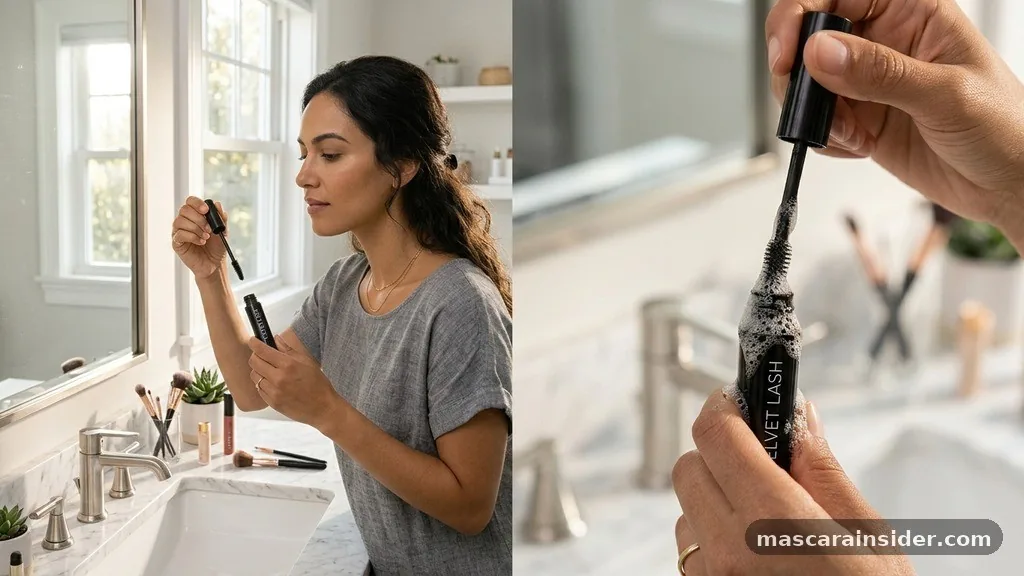
How you handle your makeup tools significantly impacts how long your mascara lasts. Many people have a habit of “pumping” the mascara wand in and out of the tube to get more product on the brush. This action is one of the fastest ways to force air into the tube, which accelerates the oxidation of the formula and leads to earlier drying.
Instead of pumping, try swirling the wand gently inside the tube to pick up the product. This simple change can preserve the integrity of the formula for much longer.
Another bad habit is sharing your mascara. Even if you are using a disposable wand, the risk of cross-contamination is incredibly high if you use the same tube on multiple people.
Your eyes have their own unique microbiome, and introducing outside bacteria into your tube can overwhelm the preservatives instantly. If you are a makeup artist or simply someone who likes to share beauty tips with friends, always use single-use applicators and never double-dip the original wand into the tube after it has touched your skin.
Topical Gaps: Addressing Common Misconceptions
Many users search for ways to extend the life of their products, but it is important to separate myth from fact. A very common question is whether you can safely use mascara that is a year old, and the answer is a firm no.
Even if the product doesn’t smell bad or look dry, the preservative system will have long since stopped working. The risk of harboring invisible pathogens is simply too high to justify saving a few dollars on a new tube.
Another common gap in knowledge concerns the difference between standard and waterproof formulas. Many people assume waterproof mascara lasts longer because it is resistant to moisture. While it may be more resistant to smudging, the chemical nature of synthetic polymers in waterproof mascara actually makes it more prone to hardening if air enters the tube.
Waterproof formulas are not exempt from the three-month rule. In fact, because they can be harder to remove, you might be scrubbing your lash line more vigorously, which increases the likelihood of micro-tears in the delicate skin if your mascara has become crusty or expired.
| Factor | Impact on Mascara Life |
|---|---|
| Pumping the Wand | High: Introduces air and bacteria |
| Storing in Bathroom | Medium: Humidity accelerates degradation |
| Shared Usage | Critical: Leads to rapid contamination |
| Temperature Fluctuations | Medium: Can cause formula separation |
Tips for Extending the Quality of Your Mascara
While you should never extend the lifespan beyond the recommended three months, you can certainly ensure the product stays high-quality throughout its intended life. Store your makeup in a cool, dry place away from direct sunlight.
The bathroom vanity might seem like the most convenient location, but the high humidity from your daily shower can actually penetrate the tube and encourage the growth of mold or bacteria. A bedroom drawer or a dedicated makeup organizer is a much safer environment.
Cleanliness is also paramount. Regularly wipe the neck of the mascara tube with a clean tissue or a rubbing-alcohol-soaked cotton pad to remove dried product buildup. This prevents the cap from failing to seal properly, which is the primary cause of premature drying.
Additionally, if you notice your eyes are feeling particularly sensitive, take a break from all eye makeup for a few days. If the symptoms persist, it is time to consult an ophthalmologist to rule out any underlying issues that might be exacerbated by your beauty routine.
When to Replace Your Mascara Immediately
There are specific instances where you should toss your mascara immediately, regardless of how long you have owned it. If you have recently recovered from an eye infection, you must throw away all eye makeup you were using at the time of the infection.
This includes your mascara, eyeliner, and eyeshadows. These products are likely contaminated with the bacteria that caused the infection, and using them again will almost certainly lead to a reinfection cycle that is difficult to break.
You should also discard your mascara if you have experienced a significant eye injury or if you have had a procedure performed on your eyes. Surgeons and eye care professionals will always advise you to start with fresh, sterile products during the recovery phase. It is not worth the risk of introducing foreign matter into an eye that is actively trying to heal.
When in doubt, it is always better to err on the side of caution. Your eyesight is irreplaceable, and a tube of mascara is a relatively small investment compared to the cost of treating an infection.
Establishing a Reliable Makeup Rotation
To make managing your beauty inventory easier, consider keeping a simple log or using a marker to note the “opened on” date on the bottom of your mascara tube. This small step removes the guesswork entirely.
When you hit the three-month mark, you don’t have to wonder if it’s still good—you have the evidence right there. This practice also helps you identify which brands or formulas seem to dry out faster than others, allowing you to make more informed purchasing decisions in the future.
- Mark the date of first use on the bottom of the tube with a permanent marker.
- Store your makeup in a cool, dry environment away from the bathroom’s humidity.
- Avoid sharing your mascara with others to prevent cross-contamination.
- Wipe the tube neck regularly to ensure an airtight seal.
- Discard any eye products immediately following an eye infection.
- Replace your mascara every three months, even if the product still seems usable.
Frequently Asked Questions
How do I know if my mascara is truly expired?
Look for changes in texture, such as clumping or flaking, or a sour, chemical smell coming from the tube.
Can I use mascara that is one year old?
No, you should never use one-year-old mascara because the preservatives have failed, increasing the risk of severe infection.
How long does a tube of Maybelline mascara typically last?
Like most brands, Maybelline mascara is designed to be used within three months of opening for maximum safety.
How many applications are in a single tube of mascara?
While it varies by product size, most standard tubes provide enough formula for approximately 60 to 90 daily applications.
What happens if I use expired mascara?
Using expired mascara can lead to bacterial growth, causing eye irritation, redness, and potentially serious infections like conjunctivitis.
Should I store my mascara in the refrigerator?
No, storing mascara in the refrigerator can cause the formula to separate and lose its intended consistency and performance.
Does waterproof mascara have a longer shelf life?
No, waterproof mascara should still be replaced every three months as the preservatives degrade at the same rate.
Maintaining Your Eye Health
Knowing how long does a tube of mascara last is essential for anyone who values their vision and skin health. By sticking to the three-month rule, paying attention to the signs of product degradation, and practicing good hygiene with your applicators, you can enjoy your makeup without unnecessary worry. Remember that the preservative system inside your mascara is working hard to keep you safe, but it cannot fight off contamination forever.
When the time comes to toss your tube, view it as an investment in your well-being rather than a waste of product. If you have questions about specific sensitivities or chronic issues, reaching out to an ophthalmologist is always the best path forward. Stay vigilant, keep your routine clean, and enjoy your fresh look with confidence!


