

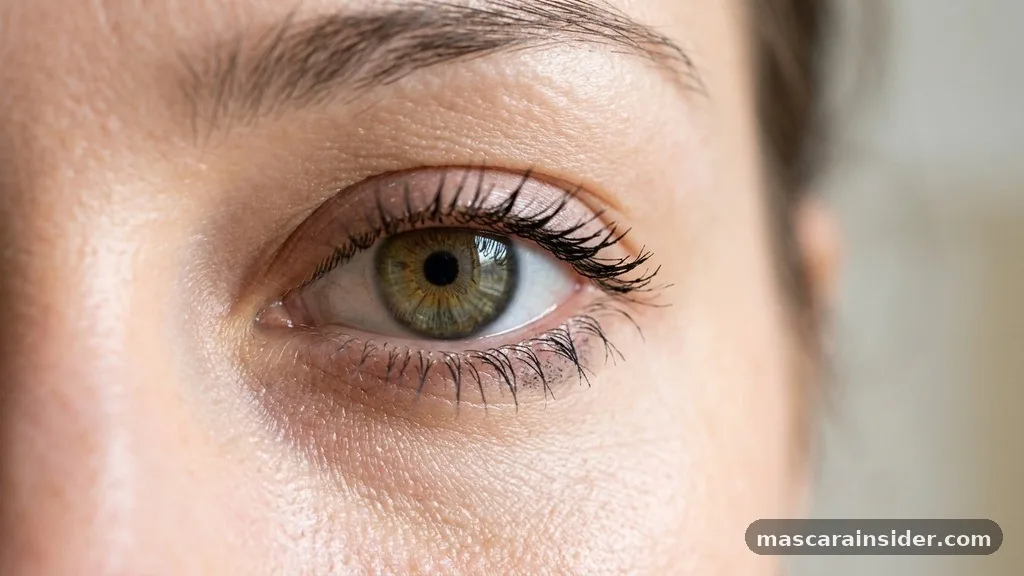
Dealing with raccoon eyes by midday is a common frustration for anyone who loves a bold lash look. You might find that your carefully applied makeup starts migrating south within hours, leaving dark shadows beneath your lower lashes. Understanding how to prevent mascara from smudging under eyes requires looking at both your skin’s natural chemistry and the specific ingredients in your beauty products.
By adjusting your application technique and choosing the right formulas, you can keep your eye makeup pristine from morning until night. This piece explores the practical strategies that actually work to maintain a clean, polished look regardless of the weather or your skin type.
Understanding Why Mascara Migrates
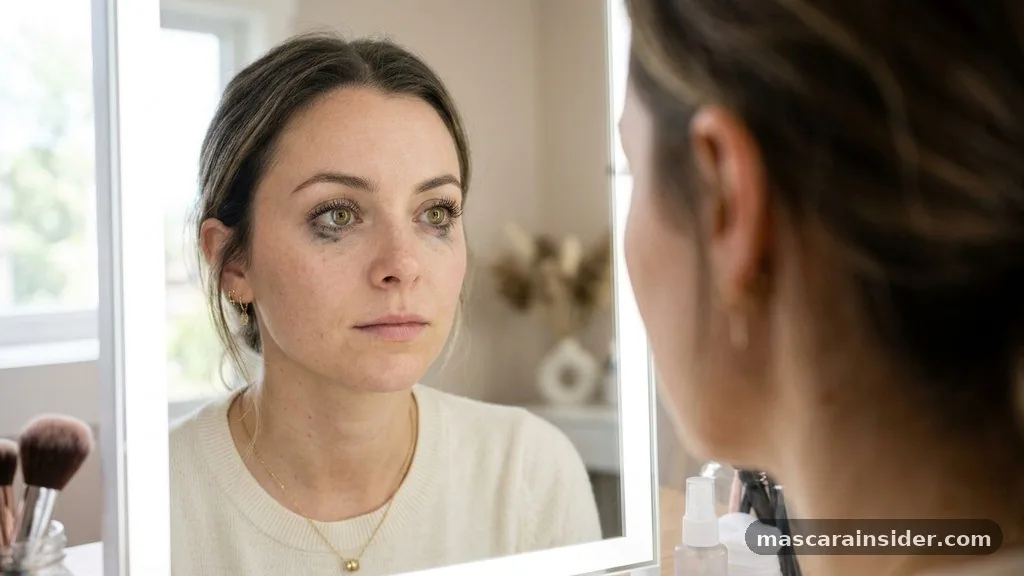
The primary culprit behind makeup mishaps is usually the interaction between your skin’s natural oils and your cosmetic products. Your eyelids and the skin directly beneath them produce sebum, a natural oil that keeps the skin supple but can act as a solvent for standard makeup.
When your lashes touch your skin, especially if you have hooded eyes or long lashes, the oils dissolve the wax or pigment in your mascara. This process is accelerated by humidity and heat, which cause your skin to release more moisture and oil throughout the day.
Another significant factor is the physical structure of your eye area. If you have deep-set eyes, your lashes are more likely to press against the skin during natural blinking motions.
Even if you don’t have particularly oily skin, your under-eye concealer or the residue from an oil-based moisturizer can provide a slick surface that encourages transfer. Recognizing that your mascara isn’t necessarily “bad” but rather reacting to your environment and skincare routine is the first step toward finding a lasting solution.
The Science of Tubing Mascara
If you struggle with constant smudging, you should consider switching to tubing mascara. Unlike traditional formulas that coat your lashes in layers of wax and pigment, these products use a polymer-based formula that wraps around each individual lash like a tiny sleeve.
Once they dry, these polymers form water-resistant tubes that do not dissolve when they come into contact with oils or sweat. This is a massive shift for people who deal with persistent makeup transfer.
When it comes time to remove these formulas, you don’t need harsh makeup removers or heavy rubbing. You simply use warm water and gentle pressure, which causes the tubes to slide right off your lashes in one piece.
Because they don’t smear or run, they are virtually smudge-proof. This technology is particularly effective for those who wear contact lenses or have sensitive eyes, as the formula is less likely to flake into your eyes during the day.
Preparing the Under-Eye Area
Before you even touch your mascara wand, you need to create a stable foundation for your makeup. Many people make the mistake of applying heavy, emollient-rich creams right up to the lash line.
While hydration is essential, an oil-based moisturizer sitting on the skin will almost certainly cause your mascara to travel. Instead, apply your moisturizer sparingly and allow it to fully absorb into the skin for at least five minutes before starting your makeup routine.
Once your moisturizer has settled, use a translucent setting powder to mattify the area beneath your eyes. This layer of powder acts as a physical barrier, absorbing any excess oil before it reaches your lower lashes.
If you wear foundation or concealer, ensure they are also set with a light dusting of powder. A matte surface is much less likely to “grab” the pigment from your mascara than a dewy or tacky one, effectively stopping the cycle of smudging before it begins.
Strategic Application Techniques
How you apply your product matters just as much as what you apply. Many people apply mascara all the way to the very roots of their lower lashes, which is a recipe for disaster.
Try focusing your mascara application only on the outer two-thirds of your upper lashes, leaving the inner corners and lower lashes completely bare or using only a clear gel. This minimizes the amount of product that can potentially touch your skin when you blink.
If you love the look of defined lower lashes, try using a spoolie brush to apply a tiny amount of waterproof formula. A spoolie allows for more precision than the bulky wand that comes with your mascara tube. By grooming the lashes rather than coating them heavily, you get definition without the risk of heavy clumps that eventually droop onto your skin.
The Role of Primers and Sealers
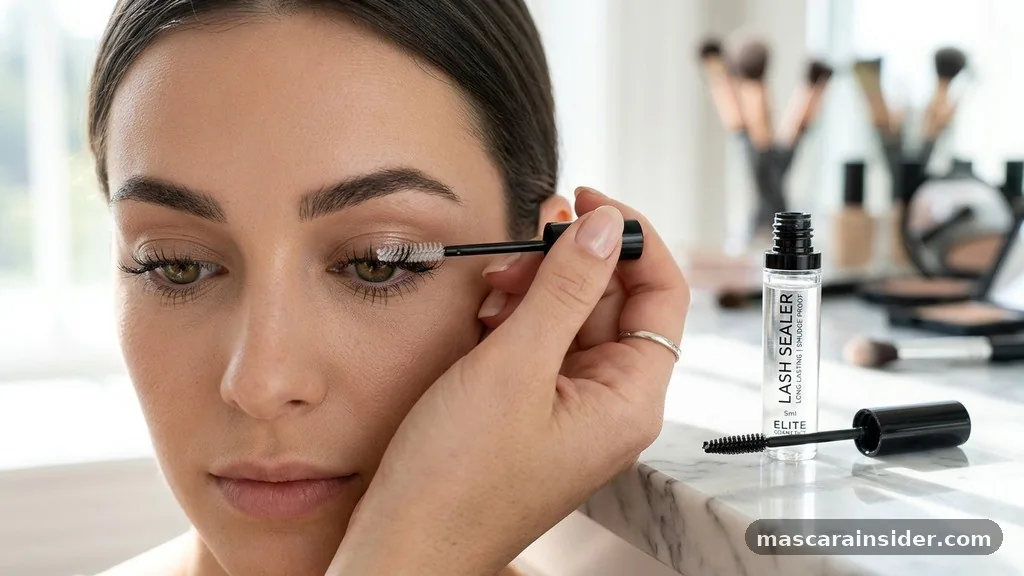
If you aren’t ready to give up your favorite standard mascara, you can use a lash primer to create an extra layer of protection. These primers coat the lashes and help the mascara adhere to the hair shaft rather than sliding off onto your skin. Think of it as a base coat for your lashes; it smooths out the surface and locks the pigment in place.
For those who need extreme longevity, a clear topcoat or sealer can be applied over your dried mascara. These products are designed to lock in the pigment and provide an additional water-resistant shield.
Just be careful not to apply too much, as a heavy layer can make your lashes brittle or cause them to look clumpy. A thin, even application is all you need to keep your look locked down.
Addressing Topical Gaps in Your Routine
Many articles focus on the product itself while ignoring the environmental factors that contribute to smudging. One common gap is the failure to consider the temperature of the air around you.
If you work in an office with fluctuating temperatures, your skin’s oil production may change throughout the day. You should keep a compact pressed powder or a small brush with you to touch up the under-eye area during your lunch break.
Another gap involves the way we use setting spray. While setting spray is great for the face, you should avoid spraying it directly into your eyes.
Instead, dampen a beauty sponge with a small amount of setting spray and gently press it into the skin beneath your eyes. This locks in your concealer and powder, creating a long-lasting seal that prevents oils from breaking down your makeup, which indirectly helps prevent your mascara from smudging under eyes.
| Method | Best For | Longevity |
|---|---|---|
| Tubing Mascara | Oily skin/lids | High |
| Waterproof Mascara | Humid conditions | Very High |
| Setting Powder | General prevention | Medium |
| Lash Primer | Voluminous looks | Medium |
Managing Oily Eyelids and Skin Chemistry
If you have naturally oily eyelids, your struggle is biological. Sebum production is a constant process, and it doesn’t stop just because you’ve applied makeup.
Using an eyeshadow primer on your lids—and even bringing it slightly under the lower lash line—can work wonders. These primers are specifically formulated to grab onto oils and hold pigments in place, preventing the slip-and-slide effect that leads to dark rings beneath the eyes.
You might also consider changing your skincare routine to manage oil production. Ingredients like niacinamide or salicylic acid can help regulate your skin’s sebum output over time. While these won’t stop smudging instantly, they improve the health and texture of the skin around your eyes, making it a less slippery surface for your cosmetics to interact with.
Common Mistakes to Avoid
Even with the best products, certain habits can sabotage your efforts. One frequent error is applying mascara while your eye cream is still tacky. If the skin is damp, the mascara has no chance of drying properly and will immediately transfer to the skin.
Another mistake is using expired products. As mascara ages, the formula changes and can become prone to flaking and smearing. If your tube is more than three months old, it is time to replace it.
You should also be wary of heavy, oil-based makeup removers if you have a tendency to smudge. If you don’t wash your face thoroughly after removing your makeup, residual oil can stay on your skin and cause your fresh mascara to smudge the next morning. Always double-cleanse to ensure that every trace of oil and pigment is gone before you apply your nightly skincare products.
- Wait for your moisturizer to fully absorb before applying eye makeup.
- Use an eyeshadow primer on your lids to lock in oils.
- Avoid applying mascara to the very roots of your lower lashes.
- Replace your mascara every three months to prevent formula degradation.
- Set your under-eye concealer with a fine, translucent powder.
- Consider a tubing mascara if you experience persistent transfer.
- Use a damp sponge with setting spray for a long-lasting finish.
Choosing the Right Tools for Success
Finding the right tools is essential for maintaining a clean eye look. A high-quality lash curler can help lift your lashes away from your skin, reducing the physical contact that causes smudging.
If your lashes are naturally long and straight, they are much more likely to touch your lower lid. Curling them keeps them upright and away from the danger zone.
Additionally, don’t overlook the importance of your brushes. If you use a lash comb to separate your lashes after applying mascara, you remove the excess product that would eventually fall as flakes or smudge as oil. A simple metal lash comb is an investment that pays for itself by keeping your lashes fluttery, separated, and clean for hours on end.
Final Thoughts on Long-Lasting Lashes
Preventing mascara from smudging under eyes is largely about managing moisture and oil. By combining the right formula—like a tubing or waterproof mascara—with a solid base of setting powder and primer, you can effectively block the transfer that ruins your makeup. Remember to focus on your application technique, keeping product away from your lower lids, and ensuring your skincare is fully absorbed before you start.
It may take a little trial and error to find the exact combination that works for your specific skin type and eye shape. Don’t be afraid to experiment with different brands and techniques until you find your perfect routine.
Once you have your process down, you’ll be able to enjoy a fresh, smudge-free look all day long. Feel free to reach out if you have more questions about fine-tuning your beauty routine or need recommendations on specific product types.
What can I put under my eyes so mascara doesn’t smudge?
Apply a light dusting of translucent setting powder to create a matte, oil-absorbing barrier under your eyes.
Why is my mascara always smudging under my eyes?
Your mascara smudges because your skin’s natural oils, heat, or humidity break down the pigments and waxes.
What mascara is smudge-proof and doesn’t transfer?
Tubing mascaras are the most effective, as they form water-resistant polymers that won’t dissolve with skin oils.
How to stop eyeliner on the bottom of your eye from smudging?
Use a waterproof gel liner and set it with a matching eyeshadow powder to lock the color down.
Does waterproof mascara prevent smudging entirely?
It resists water, but oil can still break it down, so keep your under-eye area dry and powdered.
Should I use lash primer to stop smudging?
Yes, a lash primer creates a smooth, protective base that helps mascara adhere to lashes instead of skin.
Can my moisturizer cause mascara to smudge?
Yes, using an oil-based moisturizer near your lash line creates a slippery surface that causes makeup transfer.


