

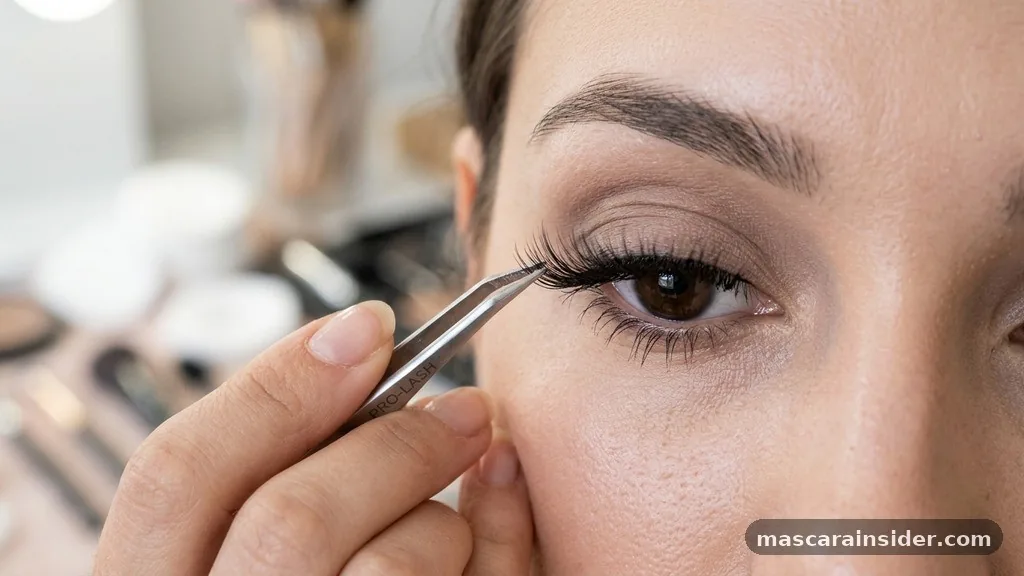
Determining whether you put mascara on before or after fake lashes often depends on the specific result you want to achieve with your eye makeup routine. Many beauty enthusiasts debate the correct sequence, but the reality is that both methods serve different purposes for your natural lashes and the longevity of your falsies. Finding the right balance ensures you are creating a cohesive look while protecting the integrity of your false eyelashes.
By understanding how these products interact, you can avoid common application mistakes that might ruin your look or damage your expensive strips. This insight helps you master your daily routine with confidence and professional precision.
The Case for Applying Mascara First
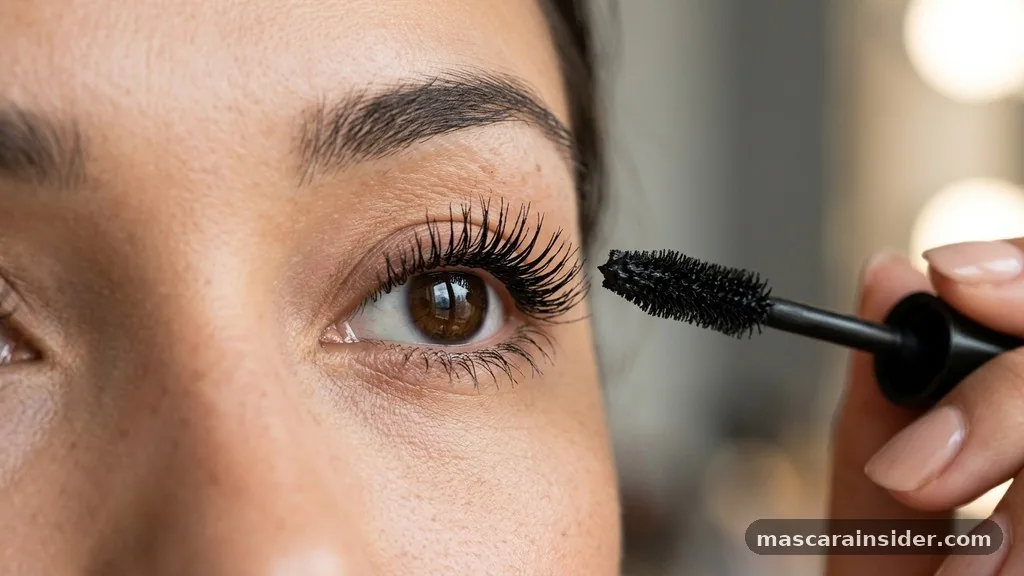
Applying mascara to your natural lashes before attaching your false eyelashes acts as a structural foundation for your eye look. When you coat your natural hairs, you provide a sturdy base for the lash band to rest upon, which can prevent the falsies from drooping or sliding throughout the day. This technique is particularly helpful if your natural lashes are very straight or light in color, as it helps them blend seamlessly into the darker, more dramatic fibers of the strips.
Using a light coat of mascara before application also helps to curl your natural lashes into the shape of the falsies, reducing the visible gap between the two sets. If you choose this method, allow the product to dry completely before applying any lash adhesive.
If the mascara is still wet, the glue may struggle to adhere to the slick surface of the coated hairs, leading to premature lifting or shifting of the strip lashes. Always wait until the formula is tacky or dry to the touch to ensure maximum hold.
Why Some Prefer Applying Mascara After
Many makeup artists prefer applying mascara after the falsies are securely in place to marry the two sets of lashes together. By waiting until the lash adhesive has fully cured and the strip is firmly locked to your lash line, you can use your mascara wand to gently brush your natural lashes and the falsies upward simultaneously. This action creates a cohesive look that masks any slight misalignment and makes the transition between the two layers invisible.
This approach is especially effective for beginners who struggle to get the strip as close to the root as possible. By applying the mascara at the very end, you effectively camouflage the band, making the entire lash look appear more natural and integrated. However, use a light hand during this process.
Excessive pressure can tug at the adhesive, potentially causing the inner or outer corners of the strip to detach. A gentle, upward wiggling motion is usually enough to achieve the desired effect without compromising your hard work.
Choosing the Right Mascara Formula
The type of product you select for your eye makeup routine plays a significant role in how your false lashes hold up over time. It is generally recommended that you avoid waterproof formulas when you plan to use falsies. Waterproof mascara is notoriously difficult to remove, often requiring harsh oil-based cleansers that can degrade the quality of the lash band and reduce the stickiness of your glue.
Instead, opt for a water-soluble or tubing mascara that washes off easily with gentle soap and water. This choice is vital for cleaning your falsies later, as residue buildup can quickly ruin the shape and texture of the fibers.
If you accidentally coat your false lashes in thick, clumpy waterproof mascara, you will likely find it impossible to remove the product without destroying the delicate synthetic hairs. Keeping your products lightweight and easy to clean is the best way to ensure you can reuse your favorite pairs multiple times.
Impact on the Lifespan of Your Falsies
The sequence you choose directly affects the longevity of your beauty products, potentially extending their lifespan significantly if done correctly. When you apply too much mascara directly onto the false lashes, you create a heavy, clumpy layer that weighs down the fibers and changes their natural curve. This weight can cause the band to lose its shape, making it difficult to apply the strips comfortably in future uses.
Furthermore, excessive product buildup requires more aggressive scrubbing during your evening removal routine. This mechanical stress can cause the fibers to shed or the band to stretch out of shape.
By limiting mascara use to the natural lashes or applying only a very thin, light coat over the base of the falsies, you minimize the need for heavy cleaning. Taking these precautions protects your investment, allowing you to get the most wear out of each pair of lashes in your collection.
Techniques for Seamless Integration
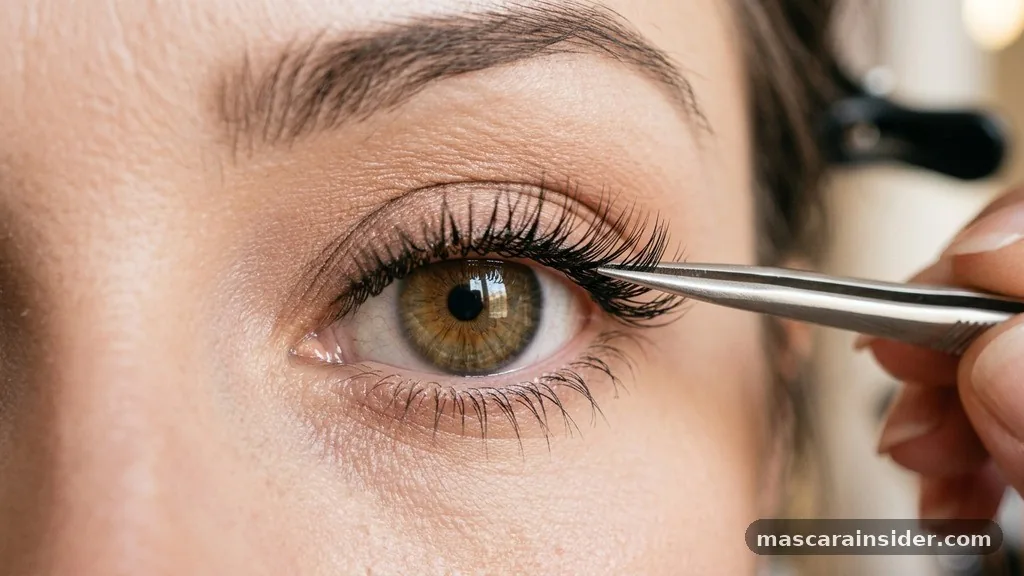
Achieving a professional finish requires more than just knowing the order of operations; it requires precise execution. Regardless of your preferred order, the goal is always to disguise the presence of the fake lashes so they look like an extension of your own.
If you notice a visible line where the strip begins, use a black liquid eyeliner to fill in any gaps along the lash line before you attach the lashes. This creates a dark, unified base that hides the band.
Another helpful tip is to use a lash curler on your natural lashes before you even begin your makeup routine. This creates an upward lift that makes the application of the strips much easier, as you are not fighting against the natural downward growth pattern of your own hair.
Once the strips are attached, use the curler very gently to squeeze your natural lashes and the falsies together. Do not crimp too hard, or you risk breaking the seal of the adhesive.
Common Mistakes to Avoid During Application
One of the most frequent errors people make is applying too much glue, which leads to a messy, sticky situation that ruins the mascara application. If you have excess glue oozing out from under the band, it will catch the mascara brush, creating unsightly clumps that are difficult to fix. Always wait for the adhesive to become tacky—usually about thirty seconds—before placing the strip onto your eyelid.
Another common mistake is trying to apply mascara to the falsies while the glue is still wet. This almost always leads to the strip sliding around, which forces you to take them off and start the process from the beginning.
Additionally, avoid applying mascara to the very tips of the falsies, as this can make them look brittle and stiff. Keep the product focused on the base where the natural lashes meet the strip to ensure a smooth, natural-looking blend.
Comparison of Application Strategies
Choosing a strategy often depends on whether you value ease of removal or the visual blending of your lashes. The following table highlights the primary differences between the two most common approaches to help you decide which fits your lifestyle.
| Strategy | Best For | Main Benefit | Potential Downside |
|---|---|---|---|
| Mascara Before | Straight lashes | Provides a structural base | Can make glue adhere poorly |
| Mascara After | Blending strips | Creates a seamless look | Risk of detaching the band |
Tips for Maintaining False Eyelashes
If you want to keep your collection in pristine condition, your maintenance routine is just as important as your application technique. Always store your lashes in their original packaging to ensure they maintain their curve.
After every use, gently peel off any dried lash adhesive from the band using a pair of tweezers. This prevents buildup that can cause the band to become thick and uncomfortable on the eye.
When it comes to cleaning your falsies, never soak them in makeup remover. Instead, use a cotton swab lightly dampened with a gentle, oil-free cleanser to wipe the band and the base of the lashes.
If you used mascara, be extremely careful not to pull on the fibers. By being diligent with these tips for maintaining false eyelashes, you can keep them looking fresh and fluttery for many wears, saving you money in the long run.
Addressing Common Topical Gaps
Many users often ask if it is safe to use mascara on mink lashes versus synthetic ones. The truth is that mink lashes are generally more delicate and should rarely be touched by mascara, as the cleaning process will likely ruin the texture of the natural hair. If you are using high-end luxury lashes, skip the mascara entirely to preserve their soft, wispy appearance.
Another gap in common knowledge is the issue of “clumping” when mixing products. If you find your lashes are clumping together, it is likely because you are applying too many layers of mascara. Stick to one thin, even coat.
If you feel you need more volume, it is better to invest in a pair of falsies with a fuller, more dramatic design than to layer endless coats of mascara. This keeps your look clean and prevents the heavy, weighed-down feeling that occurs when too much product is applied.
Conclusion
Deciding on the best time to apply mascara depends on your specific eye shape and the type of look you want to achieve. Whether you prefer the structural support of applying mascara before or the seamless blending of applying it after, the key is to prioritize the health of your natural lashes and the longevity of your strips.
By avoiding waterproof formulas and practicing gentle cleaning habits, you can ensure your eyes look stunning every single time you wear falsies. Experiment with both techniques to see which fits your unique makeup style best, and remember that consistent, gentle maintenance is the secret to a flawless lash game.
Is it safe to use mascara on all types of false lashes?
No, avoid mascara on delicate mink lashes; it is better suited for synthetic, durable varieties only.
Can I use waterproof mascara with my falsies?
It is best to avoid waterproof formulas, as they are difficult to remove without damaging the lash band.
How often should I clean my false lashes?
You should remove excess adhesive and clean your falsies gently after every single use to prevent buildup.
Does mascara help the false lashes stay on longer?
Mascara provides a base for the band, but the quality of your adhesive is the main factor.
What if my natural lashes are very straight?
Curling your natural lashes before application is essential to ensure they blend well with the false ones.
Should I apply eyeliner before or after the lashes?
Apply eyeliner before the lashes to create a dark base that helps hide the band more effectively.
Can I reuse my lashes if I get mascara on them?
Yes, but you must clean them very carefully with an oil-free remover to keep the fibers soft.


