

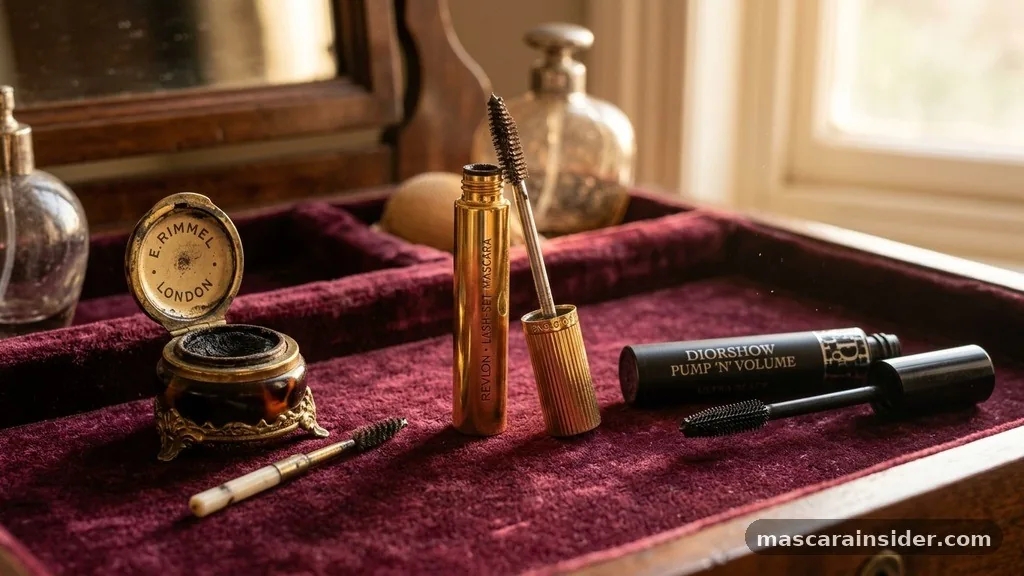
If you have ever wondered exactly whats mascara and how it transforms your daily routine, you are certainly not alone. At its core, mascara is a cosmetic product designed to darken, thicken, lengthen, and define eyelashes, effectively framing the eyes to create a more awake and expressive appearance.
Whether you are aiming for a natural look or dramatic flair, this staple of beauty bags has evolved from ancient soot-based mixtures into complex, scientifically formulated products. Understanding the mechanics behind these tubes of liquid pigment helps you make better choices for your specific lash needs and eye sensitivity.
The Historical Evolution of Lash Enhancement
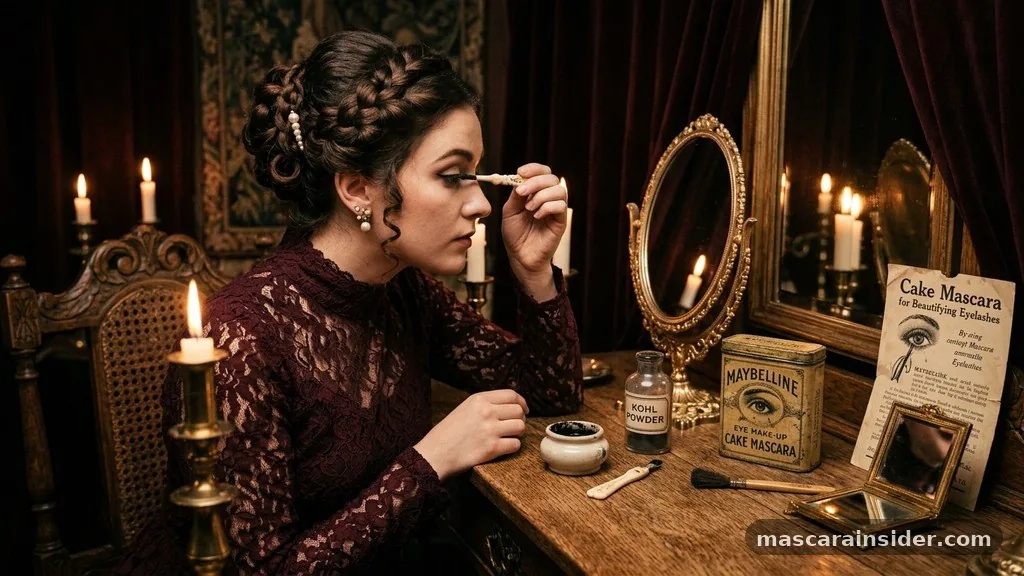
The concept of eyelash enhancement is far from a modern invention; it dates back to ancient civilizations that prioritized eye aesthetics for both beauty and spiritual protection. Ancient Egyptians used a substance called kohl—a mixture of galena, malachite, and charcoal—to darken their lashes, brows, and lids.
They believed this practice not only warded off evil spirits but also protected their eyes from the harsh sun and sand. This early form of makeup laid the groundwork for the cultural significance of defined eyes, a standard that has persisted across millennia.
As society progressed through the Victorian era and into the early 20th century, the formulas shifted significantly. The transition from solid cakes of wax and dye to the modern liquid solutions we recognize today happened largely due to the innovation of Eugene Rimmel and later, T.L. Williams, who founded Maybelline.
By the mid-1900s, the mascara wand had been revolutionized, moving away from separate brushes and cakes to the self-contained tube-and-spoolie system. This shift democratized the product, making it an accessible tool for everyday makeup application rather than a specialized item for stage performers or the elite.
Core Components and Chemistry
When you look at whats mascara in terms of its chemical composition, you are essentially looking at a precise emulsion of oils, waxes, and pigments. The primary goal of any formula is to adhere to the hair shaft without flaking or causing irritation. Carbon black or iron oxides are the most common cosmetic pigments used to achieve that signature deep, dark intensity. These pigments must be suspended in a base that allows for smooth application, ensuring that the product slides onto the lash rather than dragging or pulling at the delicate hair.
Beyond pigment, the structural integrity of the product relies heavily on polymer waxes. These ingredients, such as beeswax, carnauba, or paraffin, provide the necessary body to the formula. They coat the lash, creating a barrier that holds the curl and adds thickness.
Modern formulations also include conditioning agents like panthenol or vitamin E to prevent the lashes from becoming brittle. By balancing these waxes with volatile solvents that evaporate upon contact with air, manufacturers ensure that the product sets quickly, preventing the dreaded smear that can occur moments after application.
Understanding Different Formula Types
Not all lash products are created equal, and choosing the right one depends on your lifestyle and the desired aesthetic effect. A volumizing formula typically contains a higher concentration of waxes and polymers, designed to build bulk around each individual hair.
This creates a dense, thick appearance that is perfect for those who want a bold, high-impact look. Conversely, a lengthening product often incorporates fibers or specialized lengthening polymers that stretch out beyond the tip of the lash, creating the illusion of extended length.
Another critical distinction is the difference between standard and waterproof mascara. The latter relies on hydrophobic ingredients that repel moisture, making it essential for humid climates, swimming, or long days where tear-resistance is a priority.
However, these formulas require specialized oil-based cleansers for removal to avoid damaging the lashes through harsh scrubbing. Understanding these categories allows you to tailor your routine to your specific needs, whether you prioritize volume, length, or longevity.
| Formula Type | Primary Benefit | Best For |
|---|---|---|
| Volumizing | Adds thickness and density | Sparse or thin lashes |
| Lengthening | Extends the look of lash tips | Short or blunt lashes |
| Waterproof | Resists moisture and smudging | Active lifestyles/High humidity |
| Tubing | Forms water-resistant tubes | Sensitive eyes/Easy removal |
The Role of the Brush Applicator
The brush applicator is arguably as important as the formula itself when determining the final result. The shape, density, and material of the bristles dictate how the product is distributed across the lash line. A thick, natural-bristle brush is generally better for depositing a large amount of product, which is ideal for achieving maximum volume.
In contrast, a silicone or plastic spoolie with shorter, finer teeth is often superior for separation and precision. This type of applicator is typically the best choice for a clump-free finish, as it combs through the lashes while depositing the pigment.
The geometry of the wand also plays a role in how you reach the roots and corners of the eyes. Curved wands are designed to hug the natural shape of the lash line, helping to lift the lashes as you apply the product from base to tip.
Tapered brushes, which are thinner at the end, are excellent for reaching the tiny, often overlooked lashes in the inner corner of the eye. By understanding how the tool interacts with your specific lash growth pattern, you can drastically improve the efficiency and cleanliness of your daily makeup application.
Addressing Topical Gaps: Safety and Hygiene
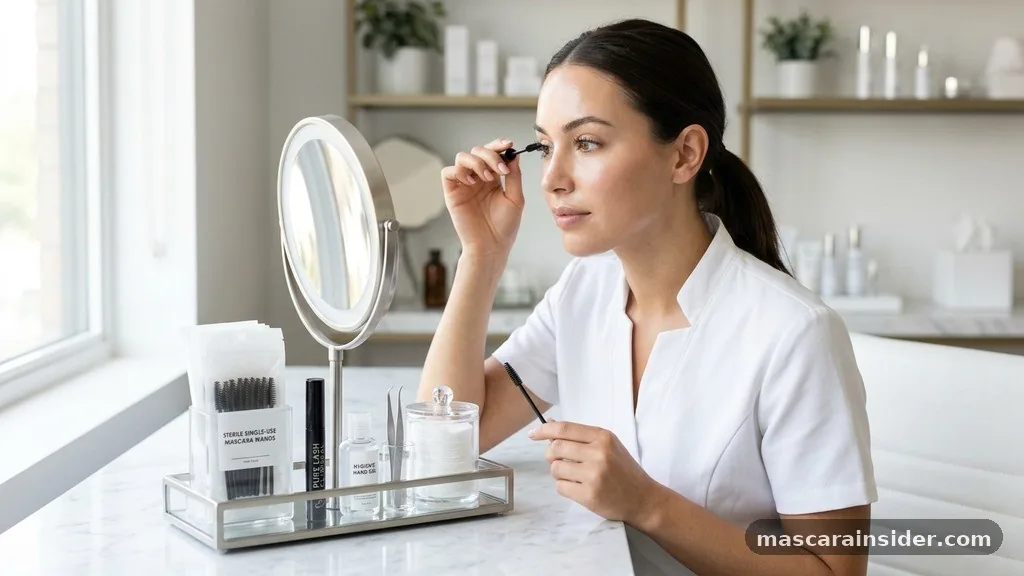
A common area of confusion regarding whats mascara involves eye safety and expiration. Because the product is applied so close to the sensitive mucous membranes of the eye, it is a frequent site for bacterial growth. Many consumers are unaware that mascara has one of the shortest shelf lives of any beauty product, typically lasting only three to six months once opened.
Using an expired product increases the risk of eye infections, styes, and irritation. Always look for products that are ophthalmologist tested to ensure they meet basic safety standards for contact lens wearers and those with sensitive eyes.
Furthermore, the technique of “pumping” the wand into the tube to get more product is a major mistake that compromises hygiene. This action forces air into the tube, which dries out the formula and introduces environmental contaminants that can lead to bacterial blooms.
Instead, swirl the wand gently against the sides of the tube to pick up the desired amount of product. If you notice a change in the smell, texture, or color of your mascara, it is time to discard it immediately, regardless of how much product remains in the container.
Mascara Versus Lash Extensions
Many people compare modern lash products to lash extensions to determine which path is right for their beauty routine. Extensions offer a semi-permanent solution where synthetic fibers are glued individually to natural lashes, providing a consistent look that requires no daily effort.
However, they are a significant investment in both time and money, and they can potentially stress the natural lash if not applied correctly or maintained with care. Mascara, by contrast, offers complete flexibility; you can switch between looks, colors, and effects daily without any long-term commitment.
For those who want the appearance of extensions without the maintenance, “tubing” formulas offer a compelling middle ground. Unlike traditional formulas that coat the lash in a waxy layer, tubing technology creates small, water-resistant polymers that wrap around each lash like a sleeve.
These tubes do not smudge or flake, and they slide off easily with warm water and gentle pressure, making them a safer alternative for those prone to eye irritation. Deciding between these options depends on your budget, your desire for a “wake-up-and-go” look, and your willingness to maintain regular professional appointments.
Tips for Flawless Application
Achieving a professional-looking finish requires more than just a quality product; it demands a bit of technique. Start by looking down into a mirror while lifting your chin slightly, which exposes the entire lash root. Place the mascara wand at the base of your lashes and wiggle it side-to-side before pulling it through to the tips.
This “wiggling” motion is the secret to creating a thick, dark base that makes your lash line look fuller. Applying multiple thin coats is always superior to one thick, heavy layer, as it prevents the product from becoming heavy and causing the lashes to droop.
If you find that your lashes tend to lose their curl throughout the day, consider using an eyelash curler before applying your makeup. Curling the lashes creates an upward angle that opens the eye, and applying a waterproof formula immediately afterward can help “lock in” that curl.
For a more sophisticated look, use a clean spoolie brush to comb through your lashes while the product is still slightly wet. This step removes excess product and ensures that every lash is perfectly separated, providing a clean, wide-eyed look that avoids the heavy, spidery appearance associated with over-application.
Common Mistakes to Avoid
Even experienced makeup users can fall into habits that prevent them from getting the best results. One of the most common errors is applying too much product to the tips of the lashes, which adds weight and causes them to point downward rather than upward. Another frequent mistake is neglecting the lower lash line.
While some people prefer to leave lower lashes bare for a natural look, a light touch of product can balance the eyes, but it must be done carefully to avoid smudging. If you have oily eyelids, you might find that your mascara transfers to your skin throughout the day; using a translucent setting powder on your lids can help mitigate this issue.
Additionally, many users ignore the importance of removing their makeup thoroughly every night. Sleeping in your mascara is a recipe for broken, brittle lashes and potential eye infection. Use a dedicated eye makeup remover or a gentle cleansing balm to break down the smudge-proof polymers before washing your face.
Taking the time to properly cleanse your eye area not only protects your vision but also ensures that your lashes remain healthy and strong for your next application. Think of it as part of your skincare routine rather than just a chore at the end of the day.
The Future of Lash Technology
The industry is currently moving toward cleaner, more sustainable formulations that prioritize lash health alongside aesthetic performance. We are seeing a surge in products infused with peptides, keratin, and botanical oils that actively nourish the lashes while they are being worn.
These hybrid products serve as both makeup and a treatment, helping to improve the overall condition of your lashes over time. As consumer awareness regarding ingredients grows, brands are also moving away from harsh preservatives and synthetic fragrances, opting for formulas that are safer for the delicate eye environment.
Innovation is also hitting the packaging sector, with more brands offering refillable tubes to reduce plastic waste. Furthermore, the rise of “smart” brushes—designed with precise bristle patterns to target specific lash types—is making it easier for everyone to find a match that works for their unique features.
Whether you prefer a dramatic, high-volume look or a subtle, natural enhancement, the landscape of lash products is becoming more inclusive and health-conscious. Staying informed about these advancements ensures that you are not only looking your best but also treating your eyes with the care they deserve.
Frequently Asked Questions
Does mascara expire?
Yes, mascara typically expires within three to six months of opening due to potential bacterial growth risks.
Is it safe to wear mascara every day?
It is generally safe if you remove it thoroughly every night and discard the product after three months.
What is the difference between volumizing and lengthening mascara?
Volumizing formulas add thickness to the lash shaft, while lengthening formulas use fibers to extend the tips.
Can I use mascara with lash extensions?
It is generally discouraged because the oils and removal process can damage the glue holding the extensions.
How do I stop my mascara from smudging?
Use an oil-free eye primer, set your undereye area with powder, or switch to a tubing formula.
What is a tubing mascara?
Tubing mascara forms water-resistant polymer sleeves around each lash that slide off easily with warm water.
Is waterproof mascara better than regular?
Waterproof is better for humidity and longevity but is harder to remove and can be more drying.
In summary, understanding whats mascara is about goes beyond simply knowing how to apply it; it involves recognizing the role of ingredients, the importance of tool selection, and the necessity of proper hygiene. By selecting a formula that aligns with your specific needs and treating your lashes with care during application and removal, you can enjoy a polished look that enhances your natural beauty. Whether you opt for a high-volume, dramatic finish or a subtle, everyday enhancement, the right choice will keep your lashes healthy and your eyes looking vibrant.
As you refine your routine, remember that the most effective beauty practices are those that combine quality products with consistent, healthy habits. Feel free to experiment with different brushes and formulas to discover what works best for your unique style and eye shape.


