

Struggling with stubborn eye makeup is a common frustration, especially when your favorite product is designed to withstand sweat, humidity, and even tears. Learning how to clean off waterproof mascara without damaging your delicate lashes requires a bit of patience and the right choice of solvent.
When you approach the process with the wrong technique, you risk tugging on your skin or causing unnecessary lash loss. This article breaks down the most effective methods and ingredients to ensure your nightly skincare routine remains gentle, efficient, and completely thorough.
The Science Behind Waterproof Mascara Removal
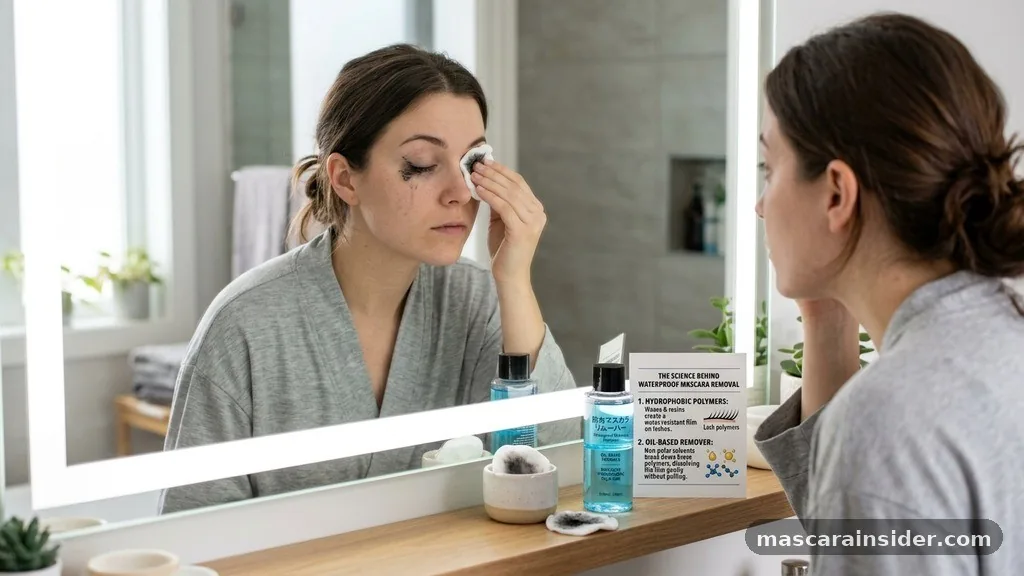
Understanding why your mascara stays put is the first step in knowing how to remove it effectively. Waterproof formulas typically contain waxes and polymers that form a hydrophobic barrier on your lashes, ensuring that water cannot break down the bonds of the product.
Because these ingredients repel water, simply splashing your face with a basic cleanser will rarely suffice. Instead, you need a substance that can dissolve the waxy structure through a chemical process known as emulsification.
When you apply an oil-based product to your lashes, the oils work to soften the polymers, effectively “ungluing” the mascara from the hair shaft. This is why standard foaming face washes often fail; they are designed to lift surface dirt, not to break down durable, water-resistant resins.
By using the correct solvent, you allow the mascara to slide off the lashes with minimal effort. This process prevents the gentle friction that often leads to thinning eyelashes or irritation of the surrounding skin.
Utilizing Biphasic Makeup Removers
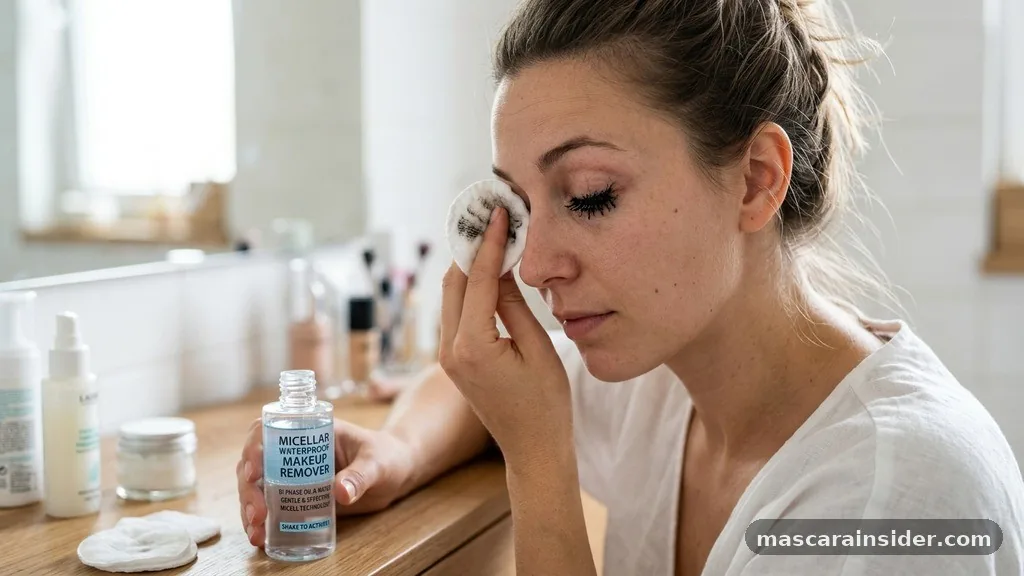
A biphasic makeup remover is one of the most reliable tools for tackling heavy-duty eye makeup. These products are easily identified by their two distinct layers: an oil phase that dissolves the mascara and a water phase that leaves the skin feeling refreshed and non-greasy.
Before using one, you must shake the bottle vigorously to temporarily combine the two phases. If you apply it without shaking, you will only be using one of the components, significantly reducing the efficacy of the formula.
To use this type of remover, saturate a cotton pad and press it against your closed eyelid for approximately thirty seconds. This “soaking” period is critical because it gives the oil time to break down the residual pigment and waxes before you start wiping.
Once the time is up, gently sweep the pad downward and outward. Avoid scrubbing back and forth, as this movement can stretch the sensitive skin under the eye and contribute to premature fine lines.
The Role of Oil-Based Cleansers
If you prefer a more streamlined routine, an oil-based cleanser is a fantastic alternative to traditional liquid removers. These products are usually designed to be applied to dry skin, where they immediately begin to attract and dissolve makeup and excess sebum. Unlike a biphasic remover that requires a separate pad, you can massage an oil cleanser directly onto your closed eyelids with your fingertips.
This method is particularly beneficial for those who wear a full face of makeup, as the oil-based cleanser can be used all over the skin to melt away foundation and SPF simultaneously. After massaging the product for about a minute, add a splash of warm water to your face.
The oil will turn into a milky emulsion, making it incredibly easy to rinse away without leaving an oily film. This approach is highly effective at reaching the base of the lash line, ensuring that no clumped product remains behind to cause irritation.
Benefits of Cleansing Balms
A cleansing balm is essentially a solid version of an oil cleanser that melts into a luxurious liquid upon contact with your skin. Many beauty enthusiasts prefer balms because they are less messy than liquid oils and easier to control during application. Because they have a thicker consistency, they are less likely to drip into your eyes, which helps in preventing ocular irritation.
To use a balm effectively, scoop a small amount with a clean spatula and warm it between your fingertips. Gently work the product into your lashes, focusing on the roots where waterproof mascara often hides.
The texture of the balm allows it to coat every single lash, ensuring that even the most stubborn waterproof formulas are thoroughly broken down. Follow this with a damp, warm muslin cloth or a soft cotton pad to wipe away the dissolved makeup, revealing clean, soft lashes underneath.
Natural Alternatives for Sensitive Skin

If you find yourself without a specialized product, certain household oils can serve as effective substitutes. Jojoba oil, coconut oil, and almond oil are popular choices because their chemical structures are effective at dissolving makeup while remaining relatively gentle on the skin. Jojoba oil is particularly popular because its composition closely mimics the natural sebum produced by human skin, making it less likely to clog pores.
However, caution is advised when using pure oils. While they are great for breaking down wax, they can sometimes leave a blurry film over the eyes if too much is used.
Additionally, those with highly reactive skin should perform a patch test before applying these oils near the eye area. Use only a tiny amount on a damp cotton pad to avoid overwhelming the delicate skin around your eyes with heavy, greasy residue.
Addressing Topical Gaps: Common Mistakes
Many people struggle with mascara removal because they treat the process as an afterthought rather than a dedicated step. One of the most common mistakes is using dry, rough wipes that require aggressive pulling to get the job done.
This mechanical stress is the primary cause of eyelash breakage. Your lashes are fragile, and constant tugging can lead to sparse, thin hair growth over time.
Another gap in knowledge is the failure to address the lower lash line. Most people focus on the top lashes but neglect the bottom, leading to “raccoon eyes” the following morning.
Using a pointed cotton swab dipped in your chosen oil-based cleanser is the best way to clean the lower lash line without getting product inside the eye. Finally, ensure you are always finishing with a secondary water-based cleanser to remove any remaining oil, which prevents the buildup of residue that could lead to breakouts or milia around the eyes.
Comparing Removal Techniques
Choosing the right tool for your specific makeup habits can save time and protect your eye health. The following table provides a quick comparison of the most common methods for removing stubborn mascara.
| Method | Efficiency | Best For |
|---|---|---|
| Biphasic Remover | High | Heavy, long-wear makeup |
| Cleansing Balm | Very High | Full face routine / Dry skin |
| Pure Oils (e.g. Jojoba) | Medium | Natural, budget-conscious needs |
| Micellar Water | Low to Medium | Light makeup / Sensitive eyes |
Preventing Ocular Irritation and Lash Damage
Maintaining the health of your eyes and lashes is just as important as the removal process itself. Ocular irritation often stems from three main factors: using products with harsh fragrances, rubbing too vigorously, or leaving makeup residue behind. When selecting a remover, look for labels that specify “ophthalmologist-tested” or “suitable for contact lens wearers.” These products are formulated to be non-stinging and pH-balanced to match your tears.
Furthermore, consider the quality of the materials you use during the process. Cotton pads should be soft and lint-free; cheap pads can leave behind fibers that become trapped in your lashes, causing discomfort.
If you notice your eyes feeling red or itchy after your nightly routine, it is a sign that you should switch to a gentler formula or reduce the amount of physical force used during the cleaning process. Always prioritize a slow, deliberate soak rather than a fast, aggressive wipe.
Essential Tips for Daily Maintenance
Consistency is key when you are trying to keep your eyelashes in top shape while wearing waterproof makeup daily. Here are some actionable tips to ensure you are protecting your lashes:
- Always start with clean hands to prevent transferring bacteria to your eye area.
- Soak your lashes for at least 30 seconds to allow the product to do the work, not your fingers.
- Avoid using waterproof mascara every single day if possible, giving your lashes a break on weekends.
- Use a clean, disposable spoolie brush to gently comb through lashes after cleansing to ensure no clumps remain.
- Store your makeup remover in a cool, dry place to maintain the integrity of the ingredients.
- Check the expiration date of your eye makeup, as old formulas can become harder to remove and more irritating.
- Invest in a good quality lash conditioner to apply at night, which helps fortify the hair after the stress of waterproof mascara.
Conclusion
Mastering the art of how to clean off waterproof mascara is an essential skill for anyone who enjoys long-lasting eye makeup. By prioritizing gentle techniques like soaking with a biphasic makeup remover or a cleansing balm, you can ensure your lashes remain strong and your skin stays clear. Remember that the goal is to dissolve the product rather than scrub it away, which protects your delicate lash line from premature breakage and prevents unnecessary irritation.
Whether you choose a high-end balm or a simple natural oil, the secret lies in patience and proper emulsification. Take your time during your nighttime routine, listen to your skin’s needs, and you will find that even the most stubborn products can be removed with ease and comfort. We hope this guide helps you refine your process for a healthier, cleaner beauty experience.


