

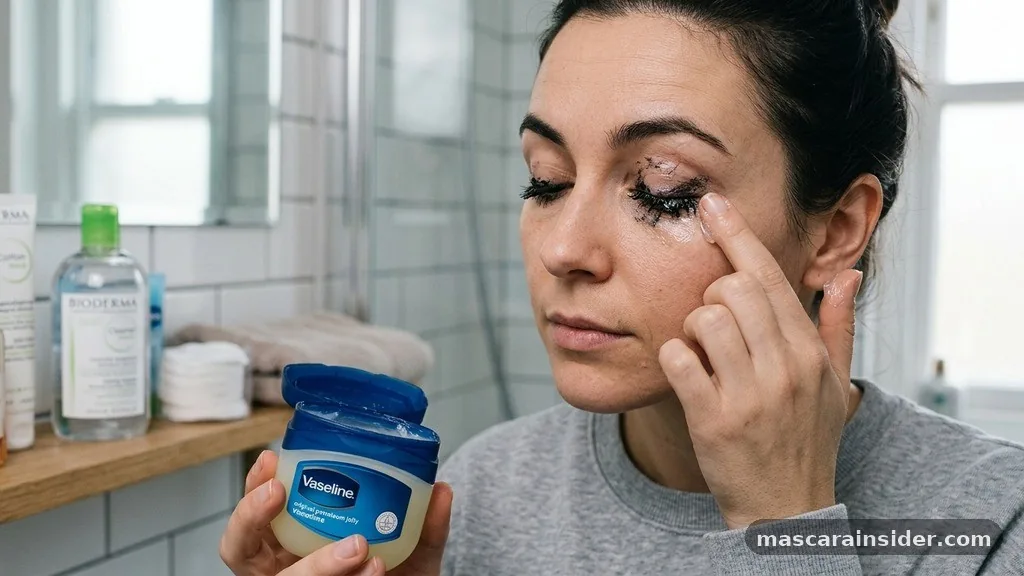
Finding out if you can use petroleum jelly to break down stubborn eye makeup is a common hurdle for many beauty enthusiasts. You might be wondering if your trusty tub of ointment is a viable alternative to professional products when you run out of your regular supply. The short answer is yes, you can successfully use this common household staple to dissolve even the most persistent formulas.
However, understanding the nuances of how to apply it safely and effectively is crucial to protecting your delicate eye area. This information will help you decide if this method fits into your nightly beauty routine.
The Mechanism of Petroleum Jelly on Waterproof Mascara
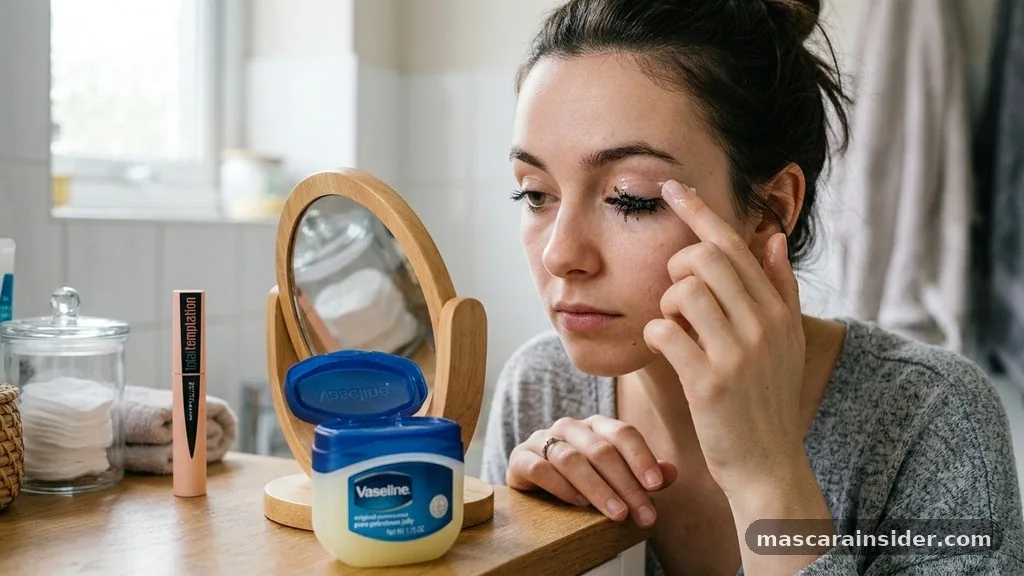
When asking if you can use petroleum jelly for this purpose, it helps to understand the chemistry. Waterproof formulas are specifically engineered to resist water, sweat, and tears by using hydrophobic polymers and waxes that repel traditional soap and water.
Because these ingredients are oil-soluble, they require a solvent that can break down those bonds, which is exactly where an occlusive substance like petroleum jelly shines. By applying a layer of this thick, greasy substance, you are essentially coating the hardened mascara in a hydrophobic medium that softens the wax, allowing it to slide off the lash hairs without needing harsh rubbing.
This process is remarkably effective because the jelly doesn’t just sit on top of the product; it penetrates the clumps and lifts them away from the delicate keratin structure of your lashes. Unlike water-based cleaners that fail to penetrate the seal of high-performance mascara, the oily nature of the jelly works as a powerful solvent.
You essentially create a “slip” that encourages the mascara to release its hold. This is why many people find it surprisingly efficient for removing heavy, long-wear eye makeup that usually requires aggressive scrubbing with standard facial cleansers.
Prioritizing Ocular Safety During Removal
While the product is generally considered inert and safe for skin, the area around your eyes is exceptionally sensitive. When you decide that you want to use petroleum jelly as a makeup remover, you must exercise extreme caution to ensure it doesn’t get inside your eyes.
The texture is thick and can create a temporary blurred film if it migrates across your eyeball, which, while not permanent, can be quite irritating and uncomfortable. Always use a clean cotton swab or a soft microfiber cloth to apply a minimal amount only to the lash line rather than glopping it over your entire lid.
Maintaining strict ocular safety means you should avoid pulling or tugging at the skin. If you find that the mascara isn’t budging immediately, don’t force it. Instead, allow the product to sit for an extra thirty seconds to give it time to work its magic.
If you have a history of eye infections, styes, or blepharitis, you should be particularly careful, as the thick, occlusive nature of the product could potentially trap debris or bacteria against the lash follicles if not properly rinsed away afterward. If you feel any stinging or burning, flush your eye immediately with clean water and discontinue use.
The Role of Double Cleansing
Using a heavy product like this necessitates a thorough follow-up process. Because it is highly emollient, it leaves behind a significant residue that can feel greasy and heavy on the skin. This is where the concept of double cleansing becomes an essential part of your routine.
After the initial removal of the mascara, you should follow up with a gentle, water-based foaming cleanser or a mild face wash. This second step is vital to strip away the remaining film, ensuring your pores stay clear and your skin feels fresh and clean.
Think of the jelly as your pre-cleanse step. By removing the bulk of the pigment and wax first, you prevent your secondary cleanser from becoming overwhelmed by the makeup, which often leads to smearing it all over your face.
Once you have successfully wiped away the mascara, use a warm, damp washcloth to gently lift the remaining jelly from your lids. This combination ensures that you get the deep-cleaning benefits of an oil-based approach without the drawbacks of clogged pores or a lingering oily sensation that might bother those with naturally oily skin.
Comparing Methods for Waterproof Makeup Removal
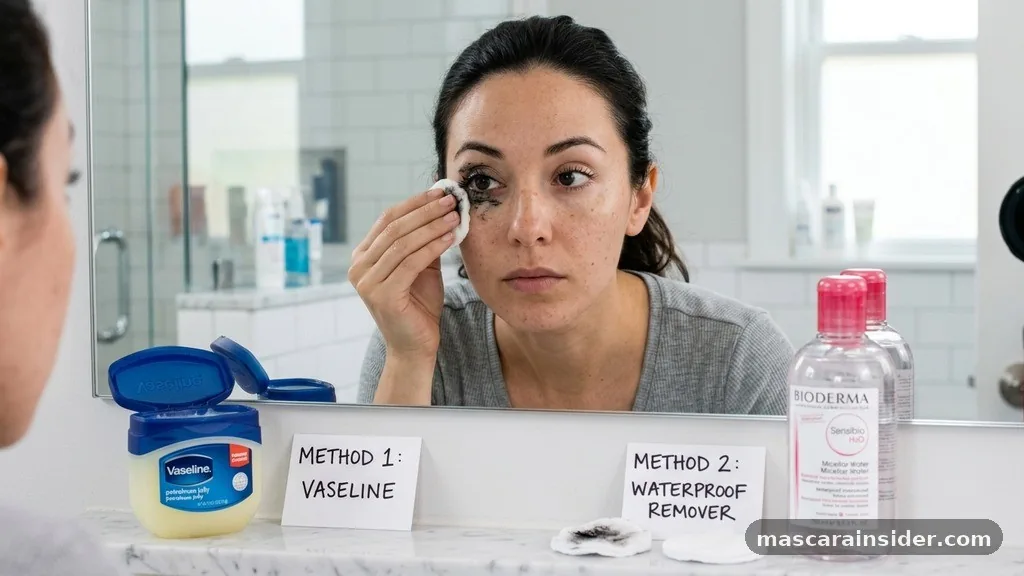
There are several ways to tackle stubborn eye makeup, and each has its own set of advantages and drawbacks. Comparing these options helps you understand why some people prefer one method over another based on skin type and personal preference.
| Method | Pros | Cons |
|---|---|---|
| Petroleum Jelly | Cheap, effective, non-irritating | Can be greasy, requires double cleansing |
| Micellar Water | Fast, refreshing, no oily residue | May require more rubbing for heavy mascara |
| Oil-based Cleanser | Easily emulsifies, rinses off clean | More expensive, requires specific formulation |
As indicated in the table, while the jelly is a budget-friendly and effective option, other methods like micellar water or dedicated oil-based cleanser formulas offer a more streamlined experience. Micellar water is often preferred for those who want a quick, clean finish without needing to wash their face twice, but it might struggle with the most intense waterproof formulas. Meanwhile, a specialized cleansing oil is designed to emulsify when it hits water, which makes rinsing much easier than attempting to remove thick petroleum-based products.
Addressing Potential Skin Issues and Complications
A common concern regarding the use of this product is whether it is non-comedogenic. In its pure form, high-quality petroleum jelly is generally considered non-comedogenic, meaning it doesn’t typically clog pores.
However, because it is so thick, it can trap dead skin cells and environmental debris if it isn’t removed properly. If you have acne-prone skin, leaving a thick layer of this product on your eyelids or the surrounding skin overnight can lead to small white bumps, known as milia, or minor breakouts.
For those with sensitive skin, the biggest risk is actually the physical act of wiping the makeup off. If you are using a rough cotton ball or scrubbing too hard to get the mascara off, you are causing mechanical irritation.
The jelly itself is actually quite soothing for dry, flaky skin, but the process of removal must be handled with a light touch. Always use a soft, lint-free cloth or a circular motion with your fingertips to break down the product, rather than a back-and-forth sawing motion that damages the fragile skin around your eyes.
Eyelash Health and Growth Myths
Many people ask if using this product will lead to longer or thicker lashes. It is important to clarify that while it can condition the hair, it does not actually stimulate lash growth.
The appearance of thicker or healthier lashes often comes down to the fact that you are removing mascara more effectively, which prevents breakage. When you aren’t tugging at your lashes to remove stubborn, dried-on product, you naturally experience less fallout, which creates the illusion of healthier, fuller-looking lashes.
Keep in mind that while it acts as a moisturizer for the hair shaft, there is no scientific evidence to suggest that it interacts with the follicles to increase the growth rate. If you are looking for actual growth, you would need to look toward products containing peptides or prostaglandin analogs.
However, using a tiny amount on the tips of your lashes can help prevent them from becoming brittle, especially if you wear waterproof makeup daily, which can be quite drying. Treat it as a conditioning treatment rather than a magic growth serum.
Troubleshooting Common Removal Challenges
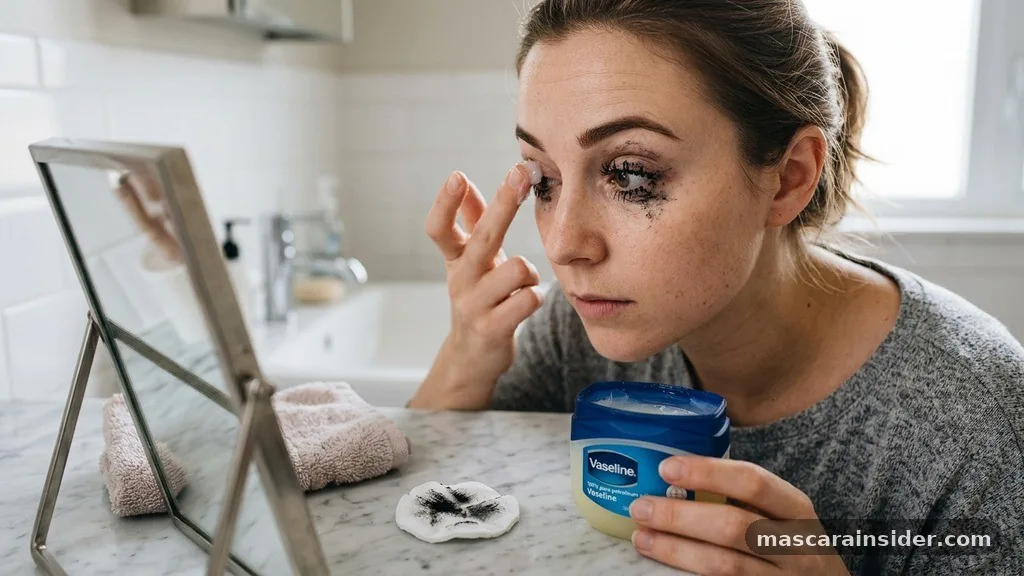
Sometimes, even with the best techniques, removing waterproof mascara remains a chore. If you find that the product is still not coming off, you might be using too little or not allowing it enough dwell time. You need to ensure that the jelly actually coats the entire length of the lash.
Apply it from the base of the lashes to the tips using a clean wand or your finger. Let it sit for at least a full minute. During this time, the heat from your skin helps the jelly melt, making it much more effective at dissolving the stubborn polymers in the mascara.
Another challenge is the presence of leftover pigment in the tight-line area. If you use eyeliner, it might get pushed into the lash line, making it hard to reach. In this instance, a cotton swab dipped in a very small amount of the jelly is your best tool.
Carefully run the swab along the lash line to pick up the remaining residue. Always remember to perform a final sweep with a damp cloth to remove any stray particles, as leaving makeup residue in this area is a leading cause of eye irritation.
Topical Gaps: What You Might Not Know
When researching this topic, it is common to overlook the importance of the quality of the product being used. Not all petroleum jellies are created equal. It is vital to use high-grade, triple-purified petroleum jelly to ensure there are no impurities that could cause skin reactions.
Some lower-quality generic brands may contain additives or fragrances that are completely inappropriate for the eye area, leading to unnecessary eye irritation. Always check the label to ensure it is 100% pure white petrolatum.
Furthermore, another gap often missed is the timing of the application. Many people try to remove their makeup when they are already in the shower with water running over their face. This is counterproductive.
Because the product is occlusive, water will simply slide off it. You must apply the jelly to dry skin and dry lashes.
If your face is damp, the jelly will not adhere to the mascara properly, and you will end up with a smeary, messy situation that is harder to fix. Apply it before you head to the sink for your evening wash.
Practical Tips for a Better Routine
To make this process as smooth as possible, consider investing in a few reusable bamboo cotton rounds. These are softer than disposable cotton balls and have better gripping power for removing the jelly. You can wash them after each use, which makes them more sustainable and better for your skin.
Additionally, if you find the texture of the jelly too heavy, you can mix a tiny drop of a lightweight facial oil with it in your palm before applying. This thins out the consistency slightly while keeping the effective solvent properties intact.
Lastly, pay attention to the state of your mascara. If your mascara is old or dried out, it will always be harder to remove. Using a fresh tube and ensuring you aren’t layering too many coats of waterproof product will make the removal process significantly easier regardless of what remover you choose.
If you wear waterproof mascara every single day, you might consider alternating with a water-resistant formula on days when you don’t need the extra hold. This gives your lashes a break and makes your nighttime routine much faster and more efficient.
The Final Verdict on Using Petroleum Jelly
Using petroleum jelly to remove waterproof mascara is a proven, highly effective, and cost-efficient method for most people. By leveraging its ability to break down oil-soluble waxes and polymers, you can preserve your lash health and avoid the physical damage often caused by aggressive scrubbing. While it is not a complete replacement for a well-rounded skincare routine, it serves as an excellent, gentle pre-cleanse step when used correctly.
As long as you prioritize hygiene, follow up with a secondary water-based cleanser, and avoid getting the product directly in your eyes, it is a safe addition to your beauty arsenal. Experiment with the method to see how it fits your specific skin type, and enjoy a cleaner, gentler way to end your day.
Is it safe to use petroleum jelly for eye makeup removal?
Yes, it is generally safe if you use high-quality, pure petroleum jelly and avoid direct eye contact.
Does petroleum jelly cause milia or breakouts?
It can cause milia or breakouts if not washed off properly, as it is a heavy, occlusive substance.
Can I use this method if I have sensitive eyes?
Yes, but use only a tiny amount and ensure the product is fragrance-free to prevent any eye irritation.
How do I remove the greasy residue?
Follow your initial removal with a gentle, water-based foaming cleanser to ensure the skin is left clean.
Does petroleum jelly help eyelashes grow longer?
No, it does not promote growth, but it can condition the lashes and prevent breakage from harsh rubbing.
Should I apply it to wet or dry lashes?
Always apply to dry lashes; water will prevent the oil-based jelly from bonding with the waterproof mascara.
Is this better than using micellar water?
It is often more effective for heavy waterproof makeup, while micellar water is lighter and easier to rinse.


