

Many beauty enthusiasts frequently worry whether the daily application of cosmetic products is damaging their natural growth. If you’ve ever wondered if is mascara bad for lashes, you are certainly not alone in your concern for long-term eye health. While these products are generally safe when used correctly, improper application or poor hygiene habits can lead to unnecessary strain.
By understanding the chemical composition of your makeup and refining your removal routine, you can enjoy defined eyes without compromising the integrity of your natural fringe. This article clarifies the common risks and provides actionable advice for keeping your eyes healthy while still rocking your favorite beauty looks.
The Chemical Composition of Mascara Ingredients

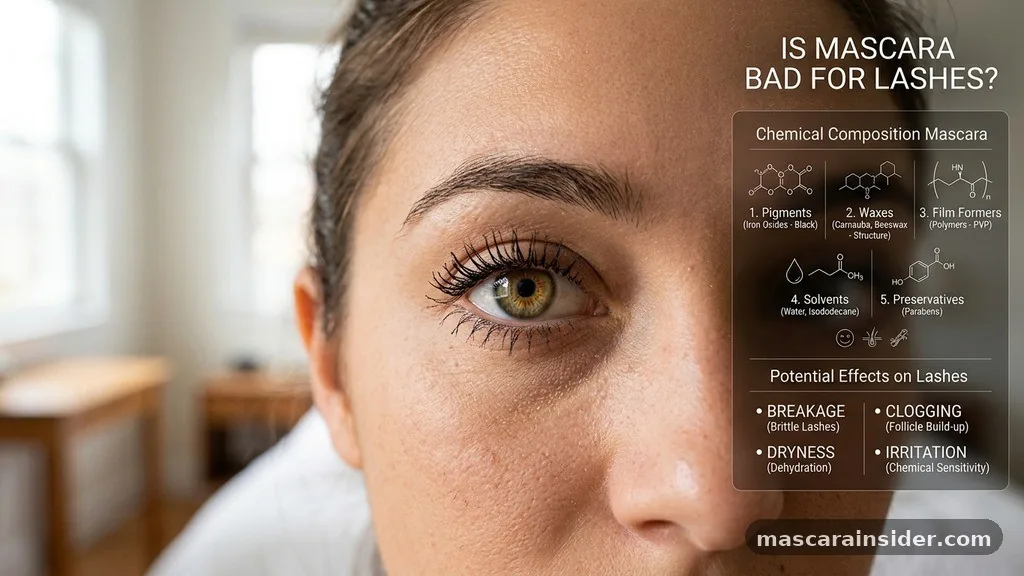
When questioning whether is mascara bad for lashes, the first place to look is the ingredient list on the back of the tube. Most standard formulations consist of a base of waxes, oils, and pigments held together by preservatives. While these components are regulated for safety, certain substances can be drying or irritating if left on for extended periods.
Many products use carnauba or beeswax to provide that signature volume and length. These waxes can sometimes harden on the individual hair, making them stiff and brittle.
When you attempt to remove a dry, hardened coating, you increase the risk of accidental pulling. Mascara ingredients often include polymers that create a film around the lash. This film is designed to be durable, but it can also trap dust and debris against the lash line, potentially leading to clogged follicles or localized inflammation if not cleaned thoroughly every single night.
Understanding Mechanical Stress and Lash Breakage
Physical manipulation is often a bigger culprit than the makeup itself when discussing lash damage. Frequent tugging, rubbing, and pulling during the makeup removal process are the primary drivers of lash breakage. Every time you aggressively scrub your eyelids, you apply tension that the delicate hair follicles aren’t designed to withstand.
It is helpful to view your lashes as you would the hair on your head. Just as heat styling or tight ponytails cause damage to scalp hair, improper makeup techniques cause structural fatigue in your lashes. Using an eyelash curler after applying mascara is a classic mistake that leads to snaps and pulls.
Once the product sets, the hair becomes rigid; clamping down on that rigid surface often results in the lash breaking off mid-shaft. To avoid this, always curl your bare lashes before applying any product, and never use a curler on lashes that are already coated.
The Risks Associated with Waterproof Mascara
There is a significant difference between standard formulas and waterproof mascara. While the latter provides excellent smudge resistance, it is notoriously difficult to dissolve.
This difficulty is exactly where the damage often begins. Because the product is formulated to resist water, typical soap and water cleansers will fail to move it, forcing you to rub your eyes harder and longer.
This repetitive friction is a major contributor to lash loss. Furthermore, the drying agents used to make these formulas moisture-resistant can dehydrate the hair over time, making it more prone to snapping.
If you find yourself needing the longevity of a waterproof product, you must invest in high-quality oil-based cleansers. These solvents break down the stubborn waxes without requiring you to scrub, allowing the product to slide off the surface of the hair rather than tearing it away from the lid.
Ocular Hygiene and Potential Infections
Beyond the cosmetic concern of thinning hair, there is the vital issue of ocular hygiene. Your eyelids have specialized glands that secrete oil to keep the eyes lubricated.
When you fail to remove your makeup properly, these glands can become blocked by residual pigment and wax. This blockage is a common precursor to conditions like styes or blepharitis, an inflammation of the eyelid margin that causes redness, irritation, and crusting.
Maintaining good eye health requires more than just a quick wipe with a face cloth. You should treat the lash line as a delicate area that needs targeted care. If you notice persistent flaking or a gritty sensation, it may be time to reassess your products or your cleaning routine.
Remember that your makeup tube itself can become a breeding ground for bacteria if kept for too long. Replacing your tube every three months is a non-negotiable rule to prevent infections that can indirectly lead to lash thinning or loss.
The Impact of Lash Growth Cycles
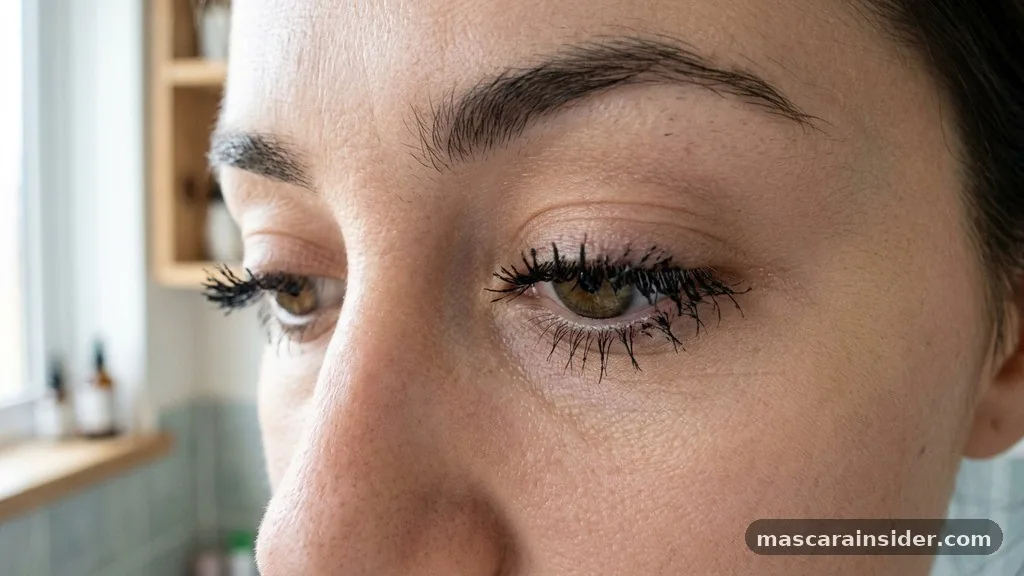
It is important to understand the biological lash growth cycle to put your concerns into perspective. Just like the hair on your head, your eyelashes go through phases of growth, transition, and rest before eventually shedding naturally.
It is entirely normal to lose one to three lashes per day. Many people mistakenly believe that the lashes they see on their cotton pad during makeup removal are a sign of damage, when in reality, those lashes were simply reaching the end of their life cycle.
However, if you notice an excessive amount of shedding—more than five or six lashes at a time—you might be doing something to accelerate that process. Constant chemical exposure or physical trauma can force lashes into the shedding phase prematurely. By reducing the frequency of heavy makeup application and ensuring your removal technique is gentle, you allow your lashes to complete their natural cycle without external interference.
Comparing Common Lash Treatments
Many people turn to alternatives to mascara to avoid the daily struggle. However, these treatments come with their own set of considerations. Below is a comparison of how different methods impact your natural lashes.
| Treatment Type | Potential Risk Level | Maintenance Requirement |
|---|---|---|
| Standard Mascara | Low (if removed properly) | Daily removal |
| Waterproof Mascara | Moderate (due to friction) | Oil-based cleansing |
| Eyelash Extensions | High (weight/adhesive stress) | Professional refills |
| Lash Lifts | Moderate (chemical processing) | 6-8 week intervals |
Addressing Topical Gaps: Do Mascaras Really Stimulate Growth?
A common question that arises is whether certain “growth-enhancing” mascaras actually do anything. While many brands claim their products contain vitamins or peptides that strengthen hair, the reality is that mascara is a temporary coating, not a treatment. Because you wash the product off every day, the contact time between the “active ingredients” and the hair follicles is too brief to produce significant biological changes.
If you are looking to improve the health and density of your lashes, an eyelash serum is a much more effective tool. These products are designed to be applied directly to the base of the lash line, where they can penetrate the skin and reach the follicles.
Using a serum consistently is the only way to genuinely influence the growth phase of your lashes, whereas mascara is purely aesthetic. Do not rely on your makeup to perform the job of a medical or cosmetic treatment.
Effective Makeup Removal Techniques
If you want to know how to wear makeup without damaging your lashes, focus on your makeup removal techniques. The goal should be to dissolve the product so that it wipes away effortlessly.
If you are pulling, you are doing it wrong. Follow these steps to ensure you aren’t causing unnecessary harm:
- Saturate a soft cotton pad or reusable cloth with an oil-based cleanser or micellar water.
- Press the pad gently against your closed eyelid for 20 to 30 seconds, allowing the solution to break down the mascara.
- Glide the pad downward in a gentle motion, following the natural direction of the lash growth.
- Avoid rubbing side to side, which causes tangling and clumped lashes.
- Use a clean cotton swab dipped in micellar water to remove any final residue along the lash line.
Taking these extra few seconds at night will pay dividends in the long run. By keeping the lash line clean, you encourage healthy follicular function and minimize the risk of irritation.
The Relationship Between Lash Health and Daily Habits
Ultimately, is mascara bad for lashes? The answer depends entirely on your habits.
If you apply it with care, remove it with gentle solvents, and replace your products regularly, your lashes can remain perfectly healthy. The damage typically occurs when we view makeup as a chore to be scrubbed off rather than a part of a beauty routine that requires maintenance.
Avoid the temptation to sleep in your makeup, as this is the single most damaging habit you can form. Sleeping in mascara leaves the product to dry out and harden against your pillow, which can lead to friction-induced breakage throughout the night. Furthermore, keep an eye on the expiration dates.
Old, dried-out products contain fewer preservatives, making them more likely to harbor bacteria that could lead to a corneal abrasion or an infection. Treat your eyes with the same respect you show your skin, and you won’t have to worry about your mascara habit taking a toll on your natural beauty.
Conclusion
Taking care of your lashes doesn’t mean you have to abandon your favorite beauty products. While the fear that is mascara bad for lashes is valid given the potential for physical and chemical stress, most risks are easily mitigated with a consistent and gentle routine. By prioritizing high-quality removers, avoiding aggressive rubbing, and maintaining strict eye hygiene, you can continue to enhance your look without sacrificing the health of your natural lashes.
Remember that your eyelashes are delicate structures, and they respond best when they are treated with patience. If you ever notice persistent redness or unusual lash loss, take a break from your makeup to let your eyes recover.
A balanced approach ensures you keep both your style and your eye health in check. Feel free to reach out if you have more questions about specific products!
Is it bad to wear mascara every day?
Wearing mascara every day is generally safe, provided you remove it thoroughly and maintain good eye hygiene.
Are eyelashes healthier without mascara?
Lashes are generally healthier without mascara, as they avoid chemical exposure and the mechanical stress of removal.
Does mascara ruin your lashes?
Mascara itself doesn’t ruin lashes, but improper removal techniques and aggressive friction during cleaning often cause damage.
Why has Gen Z stopped wearing mascara?
Many younger consumers are prioritizing natural aesthetics and are concerned about the long-term impact on lash health.
Can mascara cause eye infections?
Yes, using expired mascara or failing to remove it can lead to bacterial buildup and potential eye infections.
Is waterproof mascara worse for lashes?
Waterproof mascara can be harder on lashes because the harsh removal process often leads to increased breakage and dryness.
How can I protect my lashes?
Use oil-based cleansers for removal, avoid rubbing your eyes, and apply a nourishing lash serum every night.


