

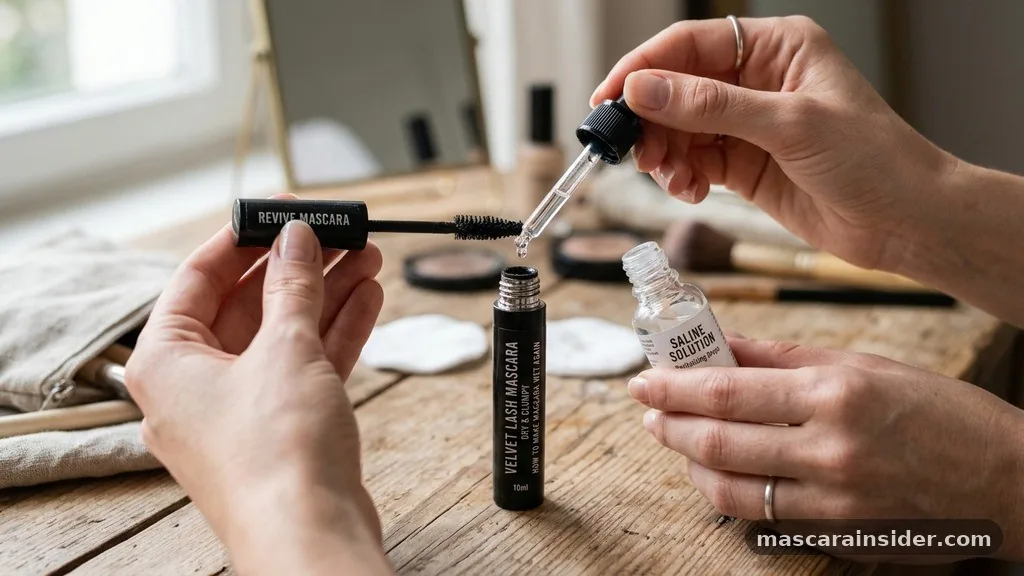
Dealing with a clumped, dry tube of makeup is a common frustration, especially when your favorite product is still half-full. Learning how to make mascara wet again can save you money and keep your beauty routine running smoothly without unnecessary waste. While many people reach for random household liquids, understanding the science behind your cosmetics is essential to avoid irritation or eye infections.
By using the right techniques, you can restore that smooth, glide-on consistency you loved when the tube was brand new. This guide explores the safest, most effective methods to revive your lashes while keeping your eye health a top priority during the process.
Why Mascara Dries Out Prematurely
Mascara formulas are complex emulsions designed to coat lashes evenly, but they are highly sensitive to their environment. Every time you open the tube, you introduce air, which triggers the evaporation of solvents meant to keep the product liquid. Over time, this oxidation causes the formula to thicken, leading to those dreaded spider-leg clumps.
Frequent pumping of the mascara wand also forces air into the tube, accelerating the drying process significantly. If you notice your product becoming tacky after only a few weeks of use, your habits might be contributing to the issue.
Environmental factors play a massive role in formula degradation as well. Storing your makeup in a humid bathroom exposes it to steam, which can alter the consistency of the preservatives and waxes. Furthermore, if the cap isn’t screwed on tightly, the seal fails, allowing the internal environment to dehydrate rapidly.
Keeping your products in a cool, dry place away from direct sunlight is the best way to maintain their integrity. Understanding these triggers is the first step in preventing the need to fix your makeup in the future.
The Risks of Using Improper Additives
Many online hacks suggest adding water or saliva to thin out a stubborn tube, but these are dangerous practices. Water provides an environment conducive to bacteria growth, which can lead to severe eye infections like conjunctivitis.
Because mascara tubes are dark, damp, and warm, they are already a breeding ground for microorganisms once the cosmetic preservation agents begin to break down. Adding external moisture introduces new contaminants that the original preservatives were not formulated to handle.
Saliva is particularly hazardous because it contains enzymes and oral bacteria that do not belong in your eye area. Even if the product seems to return to a liquid state, you are essentially creating a petri dish inside your makeup bag.
Prioritizing eyelash hygiene means avoiding any substance that could compromise the safety of your eyes. Stick to sterile, ophthalmologist-tested solutions if you feel you must alter the formula, but always be aware that any intervention shortens the remaining life of the product.
Safe Methods for Restoring Consistency
If you are determined to extend the life of your product, the hot water bath method is the safest place to start. This technique relies on external heat to soften the waxes inside the tube without introducing foreign liquids. Simply place your closed mascara tube into a cup of hot—not boiling—water for about three to five minutes.
The heat gently melts the solidified oils and waxes, allowing the product to become pliable again. This is a purely physical change that doesn’t risk the chemical stability of the formula.
Another effective approach involves using a small amount of saline solution or eye drops. These are designed to be safe for the eyes, making them the most appropriate additives if you absolutely must thin the mixture. Add only one or two drops at a time, then swirl the wand gently to incorporate the liquid.
Do not shake the tube vigorously, as this creates air bubbles that can cause the mascara to flake later. If the product remains dry after a few drops, it is likely time to replace it rather than continuing to add moisture.
Addressing Topical Gaps: When to Give Up
One common question is whether you can revive any type of product, but there are clear limits to what can be saved. Understanding the difference between a minor texture shift and total expiration is vital for your health. If the product has a strange odor, a discolored appearance, or causes any itching or redness, stop using it immediately.
These are signs of expired makeup or significant contamination that no amount of thinning can fix. The shelf life of mascara is generally three months, and attempting to force it beyond this point is rarely worth the risk.
Signs It Is Time to Replace Your Mascara
* An unpleasant or “off” smell emanating from the tube.
* The product has become chunky or separates into oily layers.
* You experience eye irritation, stinging, or unusual redness after application.
* The wand is permanently clogged with dried, crusty build-up.
* The expiration date printed on the packaging has passed.
The Role of Micellar Water and Solvents
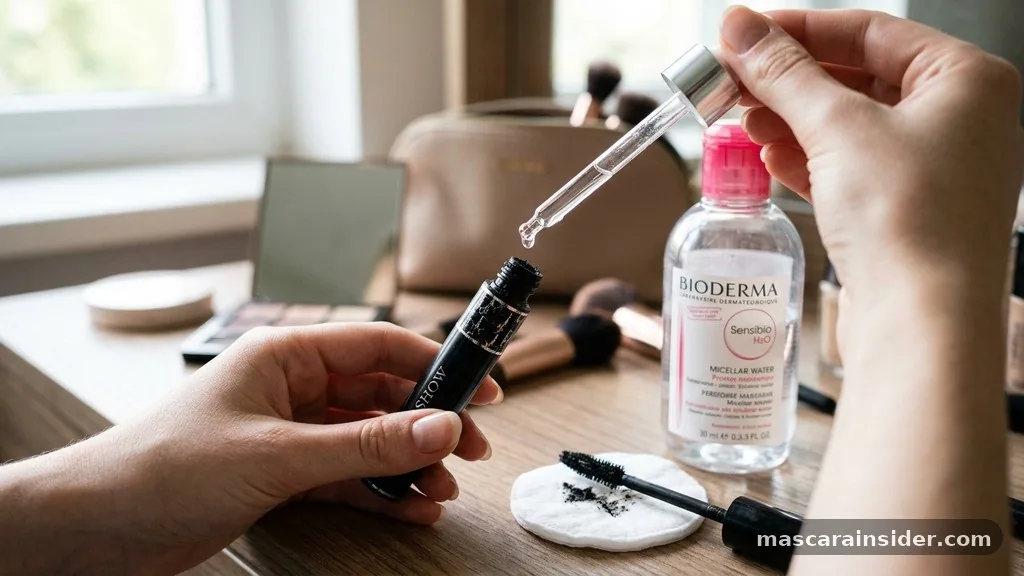
Some beauty enthusiasts suggest using micellar water to restore dry mascara, but this requires caution. Micellar water is essentially a surfactant, which can break down the very polymers designed to make your mascara stay on your lashes. If you use too much, you might find that your mascara starts running or smearing throughout the day.
Only use a single drop if you choose this route, and only if the product is not a waterproof mascara. Waterproof formulas rely on specific oil-based solvents that are not compatible with water-based additives.
If you are dealing with a waterproof product, adding water-based liquids will only cause the formula to curdle and clump. Waterproof mascara is designed to resist water, so it requires a different approach if it becomes dry.
Often, the best way to handle a dry waterproof formula is to gently warm the tube or accept that the volatile solvents have fully evaporated. Never try to mix oil into your mascara unless you are certain of the ingredient compatibility, as this will likely result in a greasy, unusable mess that smudges instantly.
Managing Tubing Mascara Formulas
Tubing mascara is a unique entity in the cosmetic world because it uses polymers to create tiny “tubes” around each lash. These formulas are generally more resistant to smudging, but they can still dry out if the cap is left loose.
Because these formulas are sensitive to water temperature—they are designed to slide off with warm water—using a hot water bath is particularly effective. The heat helps the polymers regain their flexible structure, allowing the wand to pick up the product cleanly.
Be careful not to overheat these formulas, as the polymers can lose their binding properties if exposed to excessive temperatures. A gentle soak is sufficient. If the tube is significantly clogged at the opening, wipe it clean with a makeup wipe before attempting to use it again.
A dirty neck prevents the cap from sealing, which is the primary cause of drying in these specialized products. Always ensure the cap clicks shut to maintain the integrity of the formula for as long as possible.
Comparison of Reviving Techniques
Choosing the right method depends on the type of product and the severity of the dryness. Below is a breakdown of common techniques and their relative safety and effectiveness for standard formulas.
| Technique | Safety Level | Best For | Potential Drawback |
|---|---|---|---|
| Hot Water Bath | High | All formulas | Temporary effect only |
| Saline Solution | Moderate | Non-waterproof | Risks dilution of formula |
| Eye Drops | Moderate | Non-waterproof | Potential preservative conflict |
| Micellar Water | Low | Standard mascara | Can cause smudging |
| Direct Oil Additive | Very Low | None | Destroys formula structure |
Proper Storage and Maintenance Habits
Prevention is always more effective than attempting to fix a damaged product. Storing your makeup in a consistent, cool environment helps maintain the balance of the formula. Many people leave their makeup in the car or a sunny windowsill, which causes the ingredients to separate and degrade rapidly.
Keep your cosmetics in a dedicated drawer or a cool vanity space to extend their lifespan. Additionally, always wipe the wand clean periodically to prevent a clogged tube that prevents the cap from closing securely.
Practicing good eyelash hygiene also extends the life of the product by preventing the transfer of dirt and oils into the tube. If you apply makeup after using heavy eye creams, the oils on your lashes will eventually migrate into the tube, altering the texture over time.
Try to apply your mascara after your eye area has fully absorbed your skincare products. This simple step keeps the formula pure and prevents the premature breakdown of the preservatives that keep the product safe.
Conclusion
Learning how to make mascara wet again is a useful skill that helps you get the most out of your beauty products. By focusing on gentle, heat-based methods or using sterile, ophthalmologist-approved solutions, you can keep your lashes looking their best without compromising your eye health. Remember that all cosmetics have a finite lifespan, and no amount of effort can safely revive a product that has truly expired.
Prioritizing cleanliness and proper storage remains the best way to avoid the frustration of dry, clumpy mascara in the first place. If you find your products drying out too quickly, try adjusting your storage habits and ensuring the tube is always tightly sealed after each use. Taking these small steps will ensure your routine stays seamless, safe, and effective every single day.
FAQ
Is it safe to add water to dry mascara?
No, adding tap water introduces bacteria that can cause eye infections and ruins the product’s preservative system.
Can eye drops revive dried out mascara?
Yes, one or two drops of sterile saline or eye drops can safely thin out a non-waterproof formula.
How long does mascara typically last?
Most mascaras should be replaced every three months to prevent bacterial growth and ensure the formula remains effective.
Why does my mascara get clumpy so quickly?
Frequent pumping of the wand introduces air, which oxidizes the formula and causes it to thicken and clump.
Can I fix waterproof mascara with eye drops?
No, waterproof formulas are oil-based and will not mix correctly with water-based additives like saline or eye drops.
What is the best way to warm a mascara tube?
Place the closed tube in a cup of hot water for three to five minutes to soften the waxes.
How do I know if my mascara is expired?
If the mascara smells strange, has changed color, or causes eye irritation, it is expired and must be discarded.


