

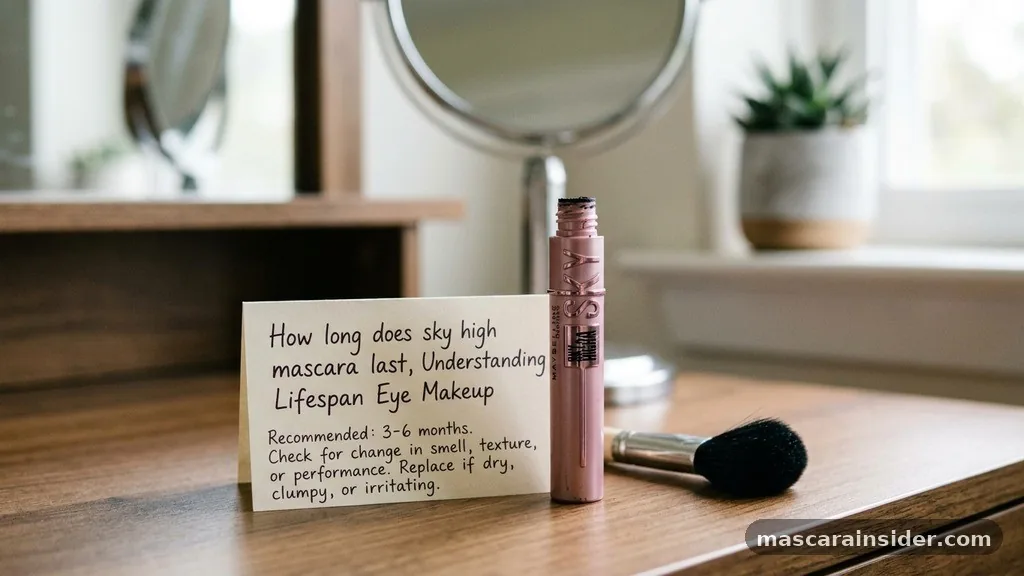
Knowing exactly how long does Sky High mascara last is vital for maintaining your eye health and ensuring the best performance from your makeup. While many users love the lengthening effect, keeping an open tube past its prime can lead to unnecessary irritation or bacterial growth. Most experts suggest a three-month window for liquid eye products, regardless of the brand or specific formula.
By paying attention to the texture, scent, and overall application quality, you can decide when it is time to replace your tube. This piece explores the factors influencing the longevity of your favorite lash product so you can keep your makeup routine safe and effective.
Understanding the Standard Lifespan for Eye Makeup
The recommended lifespan for mascara, including the popular Sky High line, is typically three months once the product is opened. This timeframe is not an arbitrary suggestion from manufacturers; it is based on the reality of microbial exposure.
Every time you pull the wand out of the tube and pump it back in, you introduce oxygen and potential contaminants into the container. Over time, the preservatives in the formula lose their efficacy, making the liquid an environment where bacteria can thrive.
Because the eye area is incredibly sensitive, using expired products increases the risk of developing styes, conjunctivitis, or other bacterial infections. Even if the product seems to be working fine, the microscopic accumulation of skin cells, dust, and bacteria from your lashes makes the tube a liability.
It is much easier to replace a tube of affordable drugstore mascara than it is to treat a persistent eye infection. Sticking to a strict timeline ensures that you are always applying a fresh, clean product to your lashes.
Many users mistakenly believe that if a product is still “wet” or hasn’t changed color, it is safe to keep using. This is a dangerous assumption because bacterial growth is often invisible to the naked eye. By setting a reminder on your phone or writing the date you opened the tube on the label with a permanent marker, you can stay ahead of the expiration curve.
Prioritizing hygiene over the remaining amount of product is a hallmark of a smart beauty routine.
Signs Your Mascara Has Expired
Recognizing the signs your mascara has expired is crucial for anyone who wears eye makeup daily. While the calendar is your best guide, the physical state of the product often reveals its decline before the three-month mark.
If you notice an off smell, it is a clear indicator that the chemical preservatives have degraded. A fresh tube should have a subtle, neutral scent, but a sour or chemically sharp odor means the product has likely become a breeding ground for microbes.
Another major red flag is the consistency of the liquid. If the formula has become stringy, or extremely dry, it signifies that the volatile ingredients have evaporated or separated.
Mascara is designed to coat lashes smoothly; once it becomes clumpy or starts flaking off immediately after application, it is no longer performing its function properly. You might find that it no longer helps to thicken or lengthen your lashes as effectively as it did when the tube was new.
Changes in how the product sits on your lashes are also telling. If you experience sudden itching, or swelling after application, stop using the product immediately. These symptoms are often the body’s way of reacting to degraded ingredients or an overgrowth of bacteria.
Never try to “revive” a dry tube by adding water, oil, or contact lens solution, as this further disrupts the chemical balance and introduces even more contaminants into the formula.
Impact of Formula Type on Longevity
The formula you choose, whether it is the waterproof or washable version of the Sky High line, can slightly influence how you maintain it. Generally, waterproof formulas contain more volatile solvents that evaporate faster than those in standard water-based formulas.
Because of this, you might notice that a waterproof tube starts feeling “gummy” or thick sooner than a non-waterproof alternative. However, the safety threshold remains the same.
Regardless of the specific version, the risk of contamination remains constant. Waterproof formulas can be more difficult to remove, which might tempt users to rub their eyes harder.
When you do this, you risk pulling out lashes or causing micro-tears in the delicate skin around the eye. To avoid scrubbing harshly, always use a dedicated bi-phase makeup remover that breaks down the wax and polymers without requiring excessive mechanical force.
When you compare the two, the differences in daily performance are worth noting:
| Feature | Washable Formula | Waterproof Formula |
|---|---|---|
| Removal Difficulty | Low (Warm water/soap) | High (Requires oil-based remover) |
| Drying Rate | Moderate | Fast |
| Ideal Usage | Daily wear | High humidity/Long events |
Even with these differences, both types require the same storage discipline to maximize their shelf life. If you are someone who only wears makeup on weekends, you might find that you reach the three-month mark with plenty of product left over. Resist the urge to keep it just because it is not empty.
The cost of a new tube is far lower than the potential cost of an eye doctor visit.
Proper Storage Tips for Eye Makeup
Implementing consistent storage tips for eye makeup is the most effective way to protect your investment and your eyes. Many people keep their makeup in the bathroom, but the humidity from showers creates a damp environment that encourages bacterial and fungal growth.
Instead, store your mascara in a cool, dry place away from direct sunlight. A bedroom drawer or a vanity tray kept in a climate-controlled room is far superior to a steamy bathroom vanity.
Temperature fluctuations can also break down the stabilizers in your mascara. If the product gets too hot, it can separate, leading to a clumpy application that is frustrating to deal with. Keeping your makeup in a stable environment ensures that the formula remains consistent from the first application to the last.
Additionally, always make sure the cap is screwed on tightly until you feel the “click” or resistance. Air exposure is the primary reason for premature drying, and a loose cap is an open invitation for debris to enter.
Avoid sharing your mascara with others, even family members. Sharing introduces foreign bacteria into your tube, which can lead to rapid spoilage and a higher risk of infection. If you are doing a friend’s makeup, use a disposable wand.
These small habits might seem minor, but they significantly extend the usable life of your beauty products and keep your eye area healthy.
Topical Gaps: Why Some Tubes Last Longer Than Others
A common question is why some people feel their mascara lasts six months while others find it dries out in two. This discrepancy often comes down to application habits.
If you have a habit of “pumping” the wand in and out of the tube to get more product, you are essentially pumping air into the chamber. This forced air intake dries out the formula and introduces environmental contaminants at an accelerated rate.
Another gap in knowledge involves the impact of eye health on product life. If you have existing sensitivities or seasonal allergies, your eyes may produce more oils or discharge, which can travel back into the tube on the brush. This biological material acts as a nutrient source for bacteria, causing the product to degrade much faster than it would for someone with “cleaner” application conditions.
Environmental factors like travel also play a role. If you frequently carry your makeup in a gym bag or a hot car, the constant movement and temperature spikes will cause the formula to separate. By recognizing that these variables influence the lifespan, you can better manage your expectations.
If you notice the product changing texture, don’t wait for the three-month mark—trust your senses and replace it immediately.
The Role of Preservatives in Mascara 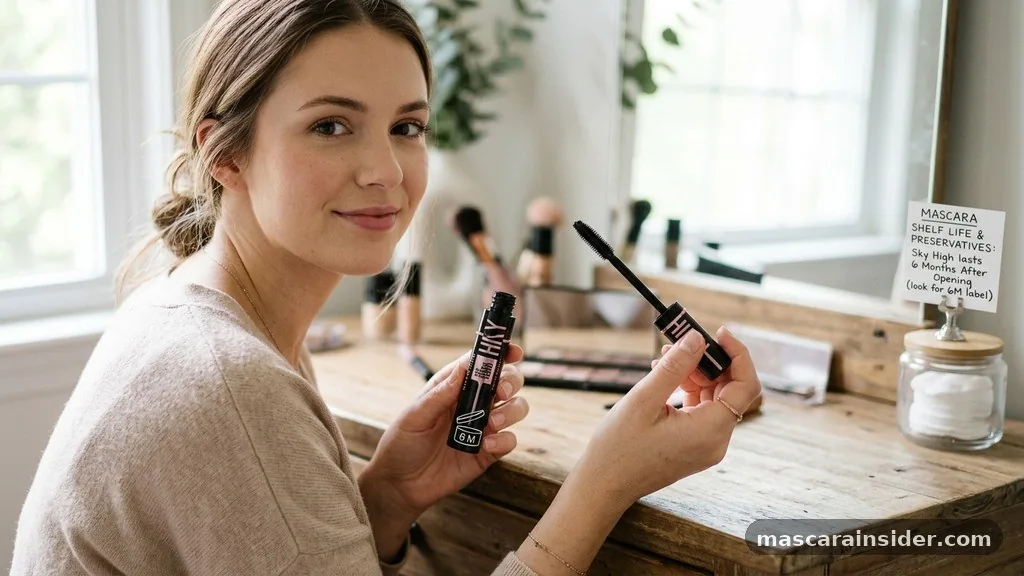
Mascara is a complex emulsion of water, waxes, pigments, and preservatives. The primary goal of the chemical preservatives is to prevent the growth of microorganisms like bacteria and mold. These ingredients are effective, but they are not infinite.
Over time, these compounds break down, especially if the product is exposed to light, heat, or oxygen. Once the preservatives are no longer active, the product is no longer safe to use.
Some consumers look for “clean” or organic mascaras, thinking they are safer for the eyes. While these products are often formulated without certain synthetic chemicals, they frequently lack the robust preservation systems found in standard commercial formulas.
Consequently, these “natural” mascaras often have a much shorter shelf life and require even more vigilance. You must be extra careful to watch for signs of spoilage if you are using a formula with fewer synthetic preservatives.
Understanding that your mascara is a perishable good is key. Just like food in your refrigerator, eye makeup has a shelf life that you should respect. Manufacturers print a small jar symbol on the packaging with a number, such as “6M” or “3M,” which indicates how many months the product is intended to last after opening.
Always check for this symbol to get the most accurate information from the brand itself.
How to Handle Sensitive Eyes Safely
If you have sensitive eyes, you might find that even fresh mascara causes irritation. This can happen if the formula contains heavy fragrances or specific pigments that your skin doesn’t tolerate.
When looking for a replacement, check the ingredients list for common allergens or irritants. Choosing a formula that is ophthalmologist-tested can provide an extra layer of assurance, though individual reactions can still occur.
Proper removal is equally important as proper application. If you have sensitive eyes, avoid scrubbing harshly to remove your makeup, as this can irritate the delicate skin of the eyelids and potentially cause inflammation that makes your eyes more prone to infection.
Use a gentle, oil-based cleanser or a micellar water designed for sensitive skin. Apply the product to a cotton pad, hold it against your closed eye for twenty seconds to let it dissolve the mascara, and then wipe gently.
If you ever experience persistent redness, itching, or swelling, stop using all eye makeup immediately. Give your eyes a “detox” period of at least a week to see if the irritation subsides. If symptoms continue, consult an eye care professional.
Your vision is precious, and no beauty trend is worth compromising your ocular health.
Best Practices for Daily Application
Developing a clean application routine is the best way to ensure your mascara remains safe throughout its life. Start by washing your hands before touching your face.
Many people touch their eyes throughout the day, and if your hands are not clean, you are transferring bacteria directly to your lash line and the mascara wand. Keeping your vanity area clean is also important, as dust and pet hair can settle on your brushes.
When applying, try to use a single “swirl” motion to gather product on the wand rather than pumping it. You will find that you get plenty of formula on the brush without the negative side effects of air introduction.
If you find the product is getting too thick, you can try warming the tube by holding it in your closed hand for a minute before use. The heat from your body can help thin the formula just enough to make application smoother.
Finally, be mindful of where you place your wand when you set it down. Never lay it on a counter or a sink edge where it can pick up germs. If the wand touches a surface, it is best to wipe it with a clean tissue or, if possible, sanitize it.
These small, deliberate actions ensure that you are treating your mascara as the sensitive cosmetic product it is.
Signs You Need to Replace Your Mascara
Even if you have not reached the three-month mark, there are specific instances where you should replace your tube immediately. If you have recently had an eye infection, you must discard any eye makeup you were using at the time.
This includes mascara, eyeliner, and eyeshadow. These products will have been contaminated by the bacteria or virus, and continuing to use them will likely cause a reinfection.
You should also replace your mascara if you have dropped the tube in a public restroom or on a dirty floor. The wand acts as a magnet for dust and microbes that can easily be transferred into the tube.
Additionally, if you notice the product has changed color—for example, if a black mascara starts looking grey or dull—it is a sign of chemical instability. Trusting these visual and situational cues will keep your eyes safe.
Consistency is your best friend when it comes to beauty maintenance. By creating a habit of checking your makeup, you eliminate the guesswork. When in doubt, throw it out.
The small expense of a new tube is a small price to pay for the health and comfort of your eyes.
Is it safe to use mascara after 3 months?
It is generally not recommended, as the preservative system degrades, increasing the risk of bacterial eye infections.
Can I add water to my dry mascara?
No, adding water or other liquids introduces bacteria and ruins the chemical balance of the product’s formula.
What are the signs of an eye infection from makeup?
Look for persistent redness, itching, swelling, discharge, or pain in the eye area after applying your mascara.
How do I store my mascara properly?
Keep it in a cool, dry place away from direct sunlight and avoid storing it in humid bathrooms.
Does the Sky High mascara formula expire faster?
Like all mascaras, it should be replaced within three months to ensure safety and consistent, clump-free application performance.
Should I share my mascara with friends?
Never share eye makeup, as it transfers bacteria between users and significantly increases the risk of contamination.
What should I do if I get an eye infection?
Stop using all eye makeup immediately, discard your current products, and consult an eye care professional for treatment.
Final Thoughts on Mascara Longevity
Maintaining the health of your eyes starts with how you care for your beauty tools. Because how long does Sky High mascara last depends largely on your hygiene habits and storage conditions, staying vigilant is key. By following the three-month rule, avoiding the urge to pump the wand, and watching for changes in texture or scent, you ensure that your lashes get the best look without the risk of irritation.
Remember that your makeup should be a source of confidence and enjoyment, not a health concern. If a tube looks or smells off, it is always better to replace it sooner rather than later.
Keep these tips in mind, stay consistent with your routine, and enjoy your makeup safely. If you have any concerns about your eye health, don’t hesitate to reach out to a professional.


