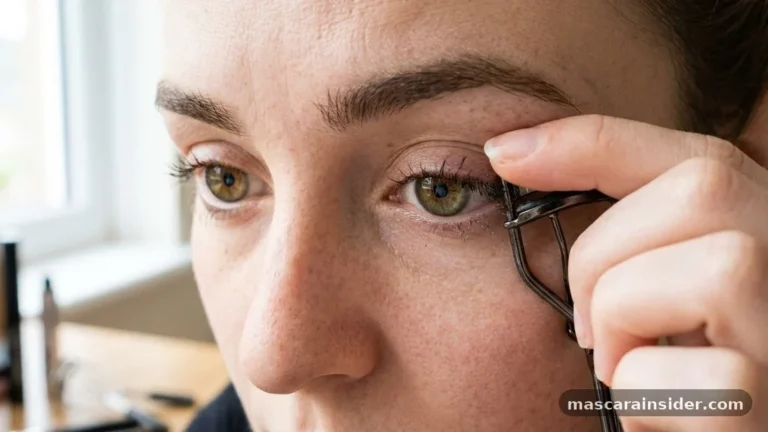
Falling into bed after a long day often makes the nightly ritual of washing your face feel like an impossible chore. However, understanding what happens when you leave mascara on overnight reveals why skipping this step is a genuine health risk for your eyes. While it might seem like a harmless oversight, residual pigments and polymers can wreak havoc on delicate ocular tissues.
From mechanical damage to the physical lash structure to the heightened risk of developing secondary infections, the consequences of failing to perform proper makeup removal are significant. Prioritizing consistent eye hygiene remains the most effective defense against the discomfort, inflammation, and potential long-term damage caused by sleeping with eye cosmetics still in place.
The Mechanical Impact on Eyelash Health
Sleeping with dried mascara on your lashes creates a recipe for significant physical stress on the hair follicles. Mascara formulas, particularly those designed for long-wear or waterproof performance, are engineered to harden and grip the eyelash. When you lie down, the friction between your eyelashes and your pillowcase causes this hardened coating to become rigid.
This rigidity prevents the natural, flexible movement of the lashes during sleep. As you toss and turn, the brittle lashes are prone to snapping, leading to noticeable eyelash breakage. Over time, this cumulative trauma weakens the lash structure, resulting in thinner, shorter, and sparser growth patterns that can take months to recover.
Beyond simple breakage, the weight and stiffness of dried product can cause the lashes to clump together, pulling on the lash follicles with every movement. This constant, low-level tugging can eventually lead to traction alopecia of the eyelashes, where the hair roots become so stressed that they stop producing healthy growth.
You might notice that your lashes feel dry, brittle, or “crusty” the next morning, which is a clear sign that the product has compromised the structural integrity of the hair. If you consistently ignore this, the long-term thinning of your lash line becomes almost inevitable, regardless of the quality of mascara you choose to apply.
Inflammation and Ocular Irritation
The eyes are remarkably sensitive organs, and introducing foreign particulate matter like dried mascara can trigger immediate ocular irritation. When you leave product on the lashes, small flakes of dried pigment or thickeners often migrate into the tear film during the night. These microscopic particles act as mechanical irritants, scratching the surface of the eye or trapping against the eyelid margin.
This irritation often manifests as redness, a gritty sensation, or excessive tearing upon waking. Because the eye’s natural lubrication system is disrupted by the presence of these chemicals, the surface of the eye becomes vulnerable to dryness and inflammation.
This irritation frequently extends to the eyelid margins, which contain crucial structures for eye health. The meibomian glands reside along the lash line and are responsible for secreting the oils that keep our tears from evaporating too quickly. When mascara residue clogs these gland openings, it prevents the flow of these essential oils.
This condition, often referred to as meibomian gland dysfunction, can lead to chronic dry eye symptoms that are difficult to reverse. Without proper cleansing, you essentially create a physical blockade that prevents your body from maintaining its own natural moisture balance.
Risk of Infections and Chronic Conditions
Perhaps the most serious concern regarding improper makeup removal is the heightened risk of a bacterial infection. Mascara tubes are notorious for harboring microorganisms, and once that product is applied to your lashes, it serves as a breeding ground for bacteria throughout the day.
By failing to cleanse your face at night, you leave this bacterial colony sitting directly against the sensitive skin of your eyelids for six to eight hours. This environment is perfect for the development of blepharitis, an inflammatory condition characterized by swollen, itchy, and crusty eyelid margins that can become chronic if left untreated.
In more severe cases, this buildup can lead to conjunctivitis, commonly known as pink eye, which occurs when the bacteria or debris transfer into the conjunctiva. The inflammation can also affect the hair follicles at the base of the lashes, resulting in follicular inflammation that may cause painful styes or chalazions. The following table summarizes the common risks associated with failing to remove eye makeup before sleep.
| Risk Factor | Potential Consequence | Severity Level |
|---|---|---|
| Mechanical Friction | Eyelash breakage | Moderate |
| Gland Blockage | Dry eye syndrome | High |
| Bacterial Buildup | Blepharitis | High |
| Particulate Migration | Corneal abrasion | Severe |
Addressing Common Topical Gaps in Eye Hygiene
A frequent question involves the specific risks for those who wear contact lenses. If you sleep with mascara on while also wearing lenses, the danger is compounded significantly. Contact lenses act as a sponge, absorbing microscopic debris and bacteria from the mascara that drifts into the eye.
This trapped debris can scratch the cornea, leading to a corneal abrasion, which is not only incredibly painful but also creates an open pathway for infections to penetrate the eye’s deeper layers. Even if you remove your lenses, residual mascara on the eyelid can easily contaminate your lens case or your next pair of lenses, perpetuating a cycle of irritation.
Another often overlooked aspect is the difference in removal requirements between standard and waterproof mascara. Many people assume that a standard face wash is sufficient for all eye makeup, but this is a mistake. Waterproof formulas are designed to resist water-based cleansing agents, meaning a standard soap or water rinse will likely leave significant residue behind.
To ensure complete removal, you must use a dedicated oil-based cleanser or a high-quality micellar water that can break down the polymers in the mascara without requiring excessive scrubbing. If you find yourself struggling to remove stubborn product, consider these best practices for maintaining healthy eyes:
- Use an oil-based cleanser to gently dissolve long-wear pigments.
- Avoid pulling or rubbing the eyes, which can damage the skin.
- Soak a cotton pad in micellar water and hold it against the closed lid for 30 seconds.
- Always follow up with a gentle, pH-balanced facial cleanser.
- Replace your mascara every three months to minimize bacterial load.
- Never share eye cosmetics with others to prevent cross-contamination.
- Cleanse your lash line thoroughly even when you feel extremely tired.
Conclusion
Understanding what happens when you leave mascara on overnight is essential for anyone who values their long-term ocular health. While the convenience of skipping your skincare routine might seem appealing after a long day, the risk of developing conditions like blepharitis, experiencing chronic dry eye, or suffering from permanent eyelash breakage far outweighs the temporary effort of cleansing. By adopting a gentle, effective removal routine using appropriate products, you protect the delicate structures of your eyes and ensure your lashes remain strong and healthy.
Prioritizing this small, consistent habit helps prevent the inflammation and infections that often stem from neglecting basic hygiene. Commit to removing your makeup every single night, and your eyes will certainly thank you for the extra care.
Is it bad to leave mascara on while sleeping?
Yes, it is harmful because it causes lash breakage, clogs glands, and significantly increases your risk of infection.
What should I do if I accidentally slept with mascara on?
Clean your face thoroughly immediately upon waking using an oil-based cleanser or micellar water to remove all residue.
Can sleeping in mascara cause blindness?
While rare, severe untreated infections or corneal scratches from dried particles can lead to complications affecting your vision.
Why does my mascara make my eyes feel gritty?
Dried mascara flakes migrate into your eye, acting as physical irritants that scratch the surface of your eyeball.
How often should I replace my mascara?
You should replace your mascara every three months to prevent the growth of harmful bacteria within the tube.
Does waterproof mascara require a special cleanser?
Yes, waterproof formulas require an oil-based cleanser or specialized makeup remover to effectively dissolve the resistant polymer coating.
Can I just use soap and water to remove mascara?
Using harsh soaps can dry out the eyelid skin and often fails to remove all residue, risking future irritation.