

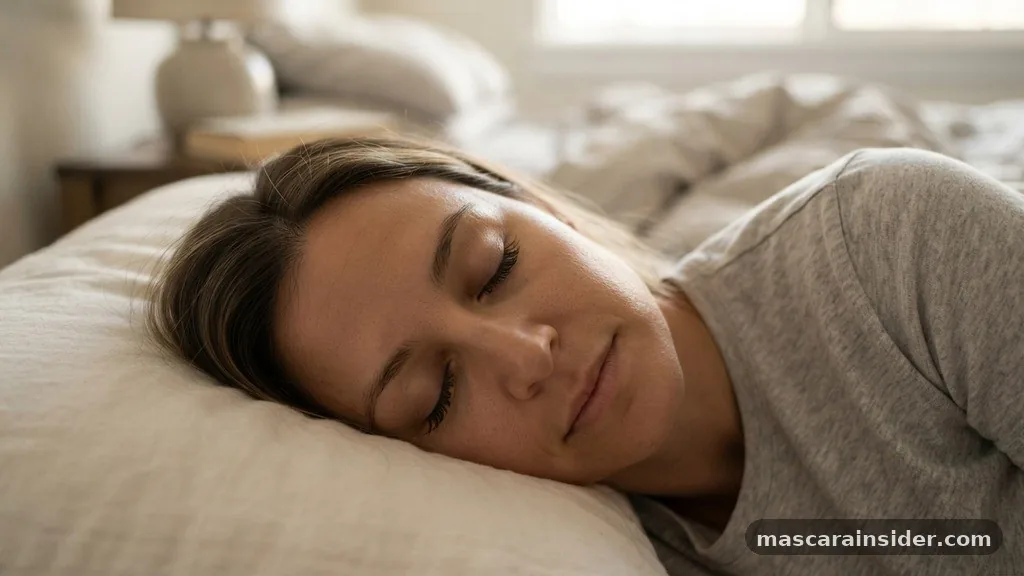
Falling into bed after a long day often makes skipping your skincare routine tempting, but wondering if it is ok to sleep with mascara on is a question with a clear medical answer. Leaving eye makeup on overnight creates a breeding ground for bacteria and physical trauma to your delicate lashes.
While one accidental night might not cause permanent damage, making it a habit poses significant threats to your ocular health and the vitality of your natural lashes. Understanding the specific physiological impact of trapped pigments and oils helps explain why dermatologists and ophthalmologists consistently advise against the practice of wearing cosmetics to sleep.
The Biological Impact on Your Lash Health
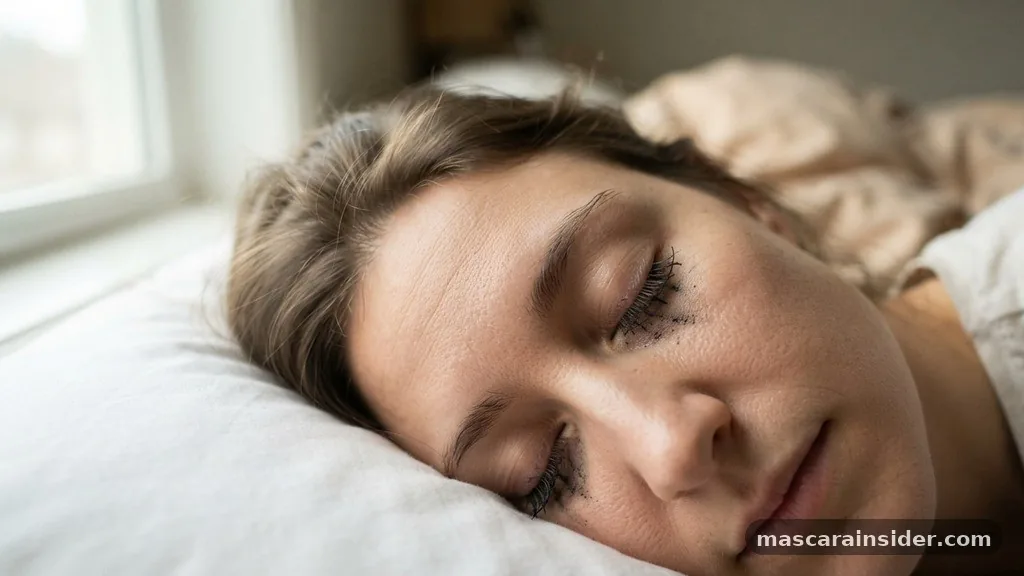
When you ask yourself whether it is ok to sleep with mascara on, you must consider the physical state of your lashes during the night. Mascara formulas are designed to be long-wearing, often containing waxes and polymers that harden as they dry.
When you lie down, the friction between your lashes and your pillowcase causes these hardened fibers to become rigid, leading to eyelash breakage. Healthy lashes require flexibility to withstand daily movement; sleeping with them coated in stiff, dried product forces them to bend at unnatural angles, eventually causing them to snap off at the root.
Beyond simple breakage, the buildup of product around the lash follicles can cause significant long-term damage. Your follicles need to breathe and remain clear to support healthy hair growth. When mascara remains in place for eight hours or more, it interferes with the natural shedding cycle of your eyelashes.
This follicular blockage can lead to stunted growth or even permanent loss of density over time. If you value the fullness of your natural lash line, treating your eyes with a gentle makeup remover before bed is not optional; it is a fundamental requirement for maintaining lash integrity.
Ocular Risks and Potential Infections
The most immediate danger of failing to remove eye makeup involves the sensitive environment of your eye itself. The space between your eyelids and the globe is incredibly prone to ocular irritation if foreign particles enter the area.
As you shift during sleep, tiny flakes of dried mascara can migrate into the eye, potentially causing a corneal abrasion. This is not just a minor annoyance; a scratch on the surface of the eye can lead to severe pain, light sensitivity, and the need for professional medical intervention.
Furthermore, the environment around the lash line is a common site for bacterial growth. Mascara formulas, especially those that have been open for several months, can harbor microbes that thrive in the warm, dark, and moist environment of a closed eye. Sleeping with these products increases the risk of developing blepharitis, an inflammation of the eyelid that causes redness, itching, and swelling.
If the contamination progresses, you might find yourself dealing with conjunctivitis, or pink eye, which is highly contagious and requires antibiotic treatment. Consider the risks of ignoring your nighttime cleanse:
- Increased risk of styes caused by clogged oil glands.
- Chronic eyelid inflammation leading to long-term sensitivity.
- Migration of particles into the tear film, causing blurred vision upon waking.
- Deterioration of the protective lipid layer of the eye surface.
Effective Removal Techniques for Busy Nights
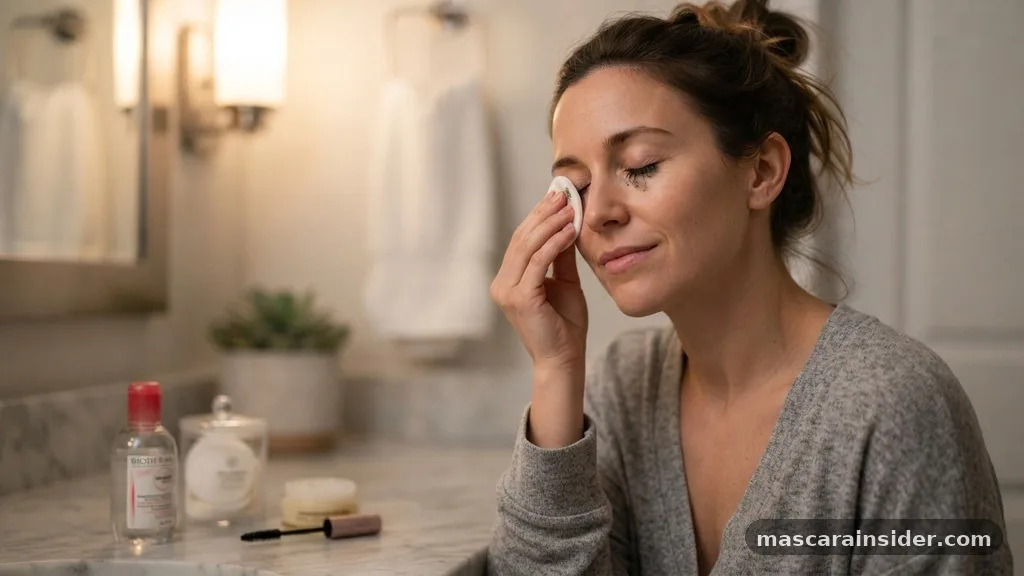
If you find that the primary reason you are questioning if it is ok to sleep with mascara on is exhaustion, changing your routine to be faster might solve the problem. Many people avoid cleansing because they find the process tedious or messy.
Switching to micellar water can transform the experience from a chore into a quick, refreshing step. Micellar water uses tiny oil molecules to lift away pigment without requiring heavy rubbing, which is essential because aggressive scrubbing is just as damaging to your delicate eye area as leaving the makeup on overnight.
For those who use waterproof formulas, a dedicated dual-phase oil-based remover is often necessary. These products are specifically formulated to dissolve the stubborn waxes that standard cleansers might miss. Keeping a pack of pre-moistened, hypoallergenic wipes on your bedside table can serve as a safety net for nights when you are too tired to reach the sink.
While they should not replace a thorough wash, they are infinitely better for your health than sleeping in a full face of pigment. The following table compares common removal methods for varying levels of fatigue:
| Cleansing Method | Efficiency | Best For |
|---|---|---|
| Micellar Water | High | Daily use, sensitive eyes |
| Oil-Based Remover | Maximum | Waterproof mascara |
| Makeup Wipes | Moderate | Emergency use only |
Addressing Common Misconceptions and Gaps
There is a persistent myth that wearing mascara to sleep can help lashes grow longer or thicker. This belief likely stems from confusion with lash serums, which are specifically formulated to nourish the root. Regular mascara, by contrast, is designed purely for aesthetic coating and pigment adhesion.
Sleeping with these chemicals on your face prevents nocturnal skin regeneration, as the skin around your eyes cannot repair itself properly when it is suffocated by layers of synthetic polymers and pigments. If you wear contact lenses, the danger is compounded, as trapped mascara flakes can get stuck behind the lens, significantly heightening the risk of infection.
Another gap in common knowledge involves the “one night won’t hurt” mentality. While your body has impressive resilience, the eyes are among the most sensitive organs you possess. The cumulative effect of occasional neglect often manifests as a sudden onset of irritation or a recurring stye that refuses to heal.
You should treat your eye area with the same care you apply to your skin, recognizing that the health of your vision and the comfort of your eyelids depend on a clean surface every single night. Prioritizing this small task prevents a cascade of health issues that are far more time-consuming to address than a thirty-second cleanse.
Conclusion
Ultimately, the answer to whether it is ok to sleep with mascara on is a firm no. While the immediate consequences might feel like a minor inconvenience, the long-term impact on your ocular health and lash strength is documented and significant. By incorporating a quick, effective removal routine into your evening, you protect your eyes from inflammation, bacterial infection, and unnecessary physical trauma.
Your natural lashes and your long-term vision are worth the effort of a few minutes at the sink. If you struggle with consistency, keep your cleansing products visible and accessible to ensure you never have to worry about the side effects of sleeping in makeup again. Take care of your eyes tonight, and they will continue to serve you well for years to come.
Is it okay to sleep with mascara on for one night?
While one night is unlikely to cause permanent damage, it significantly increases your risk of eye infections.
Why has there been a shift away from heavy mascara usage?
Many people now prioritize long-term lash health and skin barrier integrity over the aesthetic of heavy daily makeup.
Should you always take off your mascara before bed?
Yes, removing mascara is essential for allowing the skin to regenerate and preventing follicular blockage and bacterial growth.
How long can you safely leave mascara on?
Mascara should be removed after no more than 12 to 14 hours to prevent irritation and product flaking.
Is it bad to sleep with eyeliner on for one night?
Yes, eyeliner can block oil glands along the lash line, potentially leading to styes and eye surface irritation.
Does sleeping in mascara lead to lash brittleness?
Yes, the hardening of the product causes lashes to become rigid, leading to breakage during friction with pillows.
What is the best way to remove stubborn mascara?
Use an oil-based makeup remover or micellar water to gently dissolve the formula without rubbing or pulling.


