

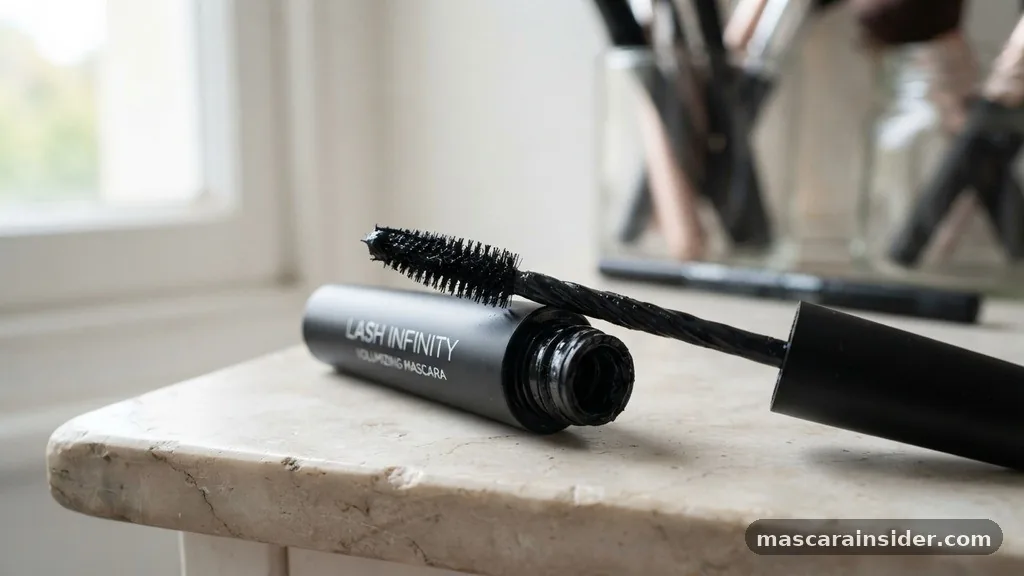
Understanding what is a mascara is fundamental to anyone interested in basic cosmetic applications. At its core, this product is a dark, viscous liquid or cream designed to define, lengthen, and thicken your eyelashes. By coating every individual hair, it creates the illusion of fuller, more dramatic eyes, serving as a staple in beauty routines globally.
Whether you are aiming for a subtle daytime look or a bold evening aesthetic, knowing the components and proper application techniques of this cosmetic essential can completely transform your daily routine. Let’s look at how these formulas work and what makes them such a permanent fixture in vanity kits everywhere.
The Anatomy of Modern Mascara Formulas
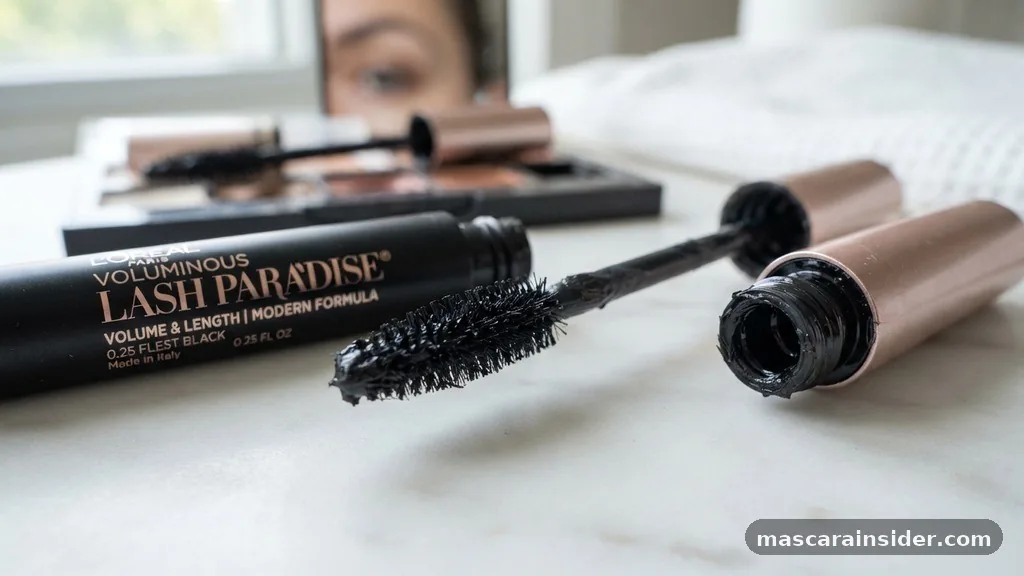
If you have ever wondered what is a mascara beyond just being “black gunk,” the answer lies in its chemistry. A standard tube contains a blend of pigments, oils, waxes, and polymers that work together to adhere to the lash hair. Manufacturers carefully balance these ingredients to ensure the product remains wet enough to apply smoothly but dries quickly enough to prevent mess.
The primary role of the pigment is to provide that deep color, often sourced from carbon black or iron oxides. These colorants are suspended in a carrier, which can be water-based or oil-based. When you pull the mascara wand from the tube, you are activating the delivery system that deposits this mixture precisely where you need it.
Key Ingredients Found in Your Tube
Most commercial products rely on a specific mixture of chemicals to achieve their desired effect. Here are the common components that make your lashes look better:
- Synthetic waxes: These provide structure and help the product cling to the lash without flaking off immediately.
- Polymers: These create a flexible film around each lash, which assists in lash lengthening and keeping the hair curled.
- Preservatives: Since the product is liquid and used near the eye, these are vital for preventing bacterial growth over time.
- Conditioning agents: Many modern formulas include vitamins like panthenol to keep lashes soft rather than brittle.
How the Application Tool Shapes the Result
The effectiveness of any lash product is heavily dependent on the brush spoolie. While the formula inside the tube provides the color and hold, the shape of the applicator determines how the product is distributed across your lashes. Brushes come in various shapes, from curved to tapered, and each serves a specific purpose in your makeup routine.
A dense, thick brush is typically designed for volumizing mascara, allowing you to deposit more product at the root to create a fuller appearance. Conversely, a thin, plastic-bristled comb is better for lash definition, separating individual hairs to prevent that dreaded “spidery” clumped look. Selecting the right tool is just as important as selecting the right formula for your specific lash type.
Distinguishing Between Formula Types
Not all tubes are created equal, and knowing the difference between a standard formula and a waterproof formula is crucial for longevity. Waterproof options are designed to resist water, sweat, and humidity, which makes them ideal for long days or humid weather. However, they are notably harder to remove and require a dedicated makeup remover, typically one that is oil-based, to break down the bond safely.
Comparing Common Mascara Categories
| Category | Primary Benefit | Best For |
|---|---|---|
| Volumizing | Adds thickness | Thin or sparse lashes |
| Lengthening | Extends reach | Short, stubby lashes |
| Waterproof | Extreme hold | Humidity/all-day wear |
| Tubing | No-smudge removal | Sensitive eyes |
Addressing Common Misconceptions and Gaps
When asking what is a mascara, many people overlook the safety aspect. Because the eye is a delicate organ, choosing an ophthalmologist-tested product is a smart move to avoid irritation. Some users experience sensitivity to specific dyes or preservatives, so reading the label is always a good practice.
Another common gap in knowledge involves expiration dates. Many people keep their tubes far too long, which increases the risk of eye infections.
A general rule of thumb is to replace your tube every three months. Even if the product hasn’t dried out, the environment inside the tube becomes a breeding ground for bacteria after the seal is broken and the wand has been reintroduced multiple times.
The Rise of Natural and Specialized Options
The beauty industry has seen a massive shift toward “clean” beauty, leading to the development of formulas that avoid certain synthetic chemicals. These natural versions often use plant-based waxes and fruit pigments to achieve similar results. While they may not provide the extreme, heavy-duty wear of traditional products, they are an excellent alternative for those with hypersensitive skin or environmental concerns.
We also see specialized products hitting the market, including clear gels for those who just want to shape their brows or lashes without adding color. There are even tinted primers that act as a base, helping your regular coat perform better by providing a smooth surface for the product to grip.
Tips for Perfect Application Every Time
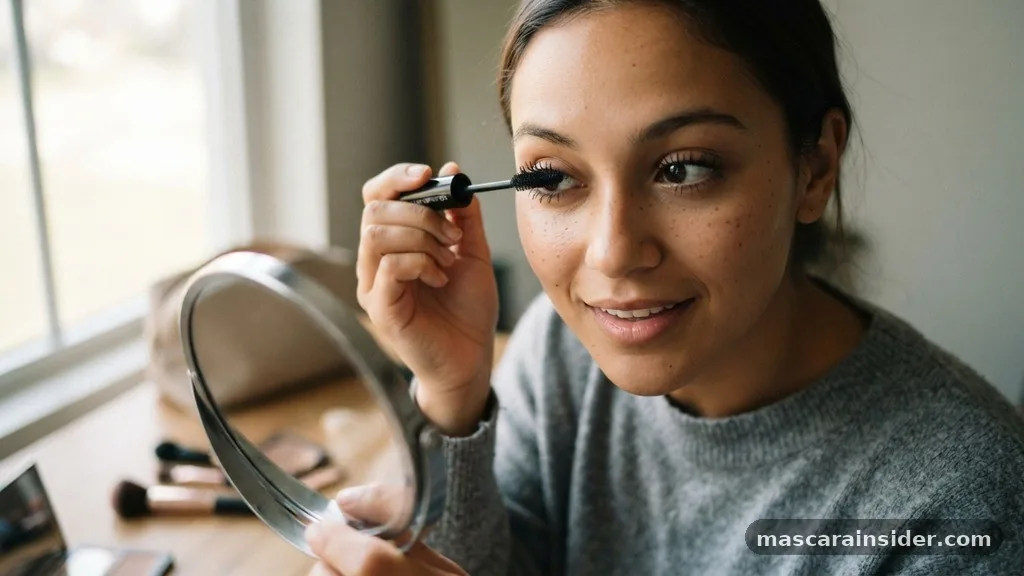
Achieving that “false lash” look is less about the price of the product and more about the technique. Start by wiping the excess product off your mascara wand on a tissue before you even touch your eyes; this instantly reduces the chances of clumping. Place the brush as close to the root of your lashes as possible and wiggle it back and forth as you pull it upward.
This wiggling motion ensures that the base of the lash gets the most product, which provides support and creates the appearance of thicker hair. For the lower lashes, use only the tip of the brush to avoid applying too much, which can lead to smudging throughout the day. If you want a smudge-proof finish, setting the area with a tiny bit of translucent powder can keep the formula where it belongs.
Safety Protocols for Your Eyes
Since you are applying foreign substances right next to your tear ducts, hygiene is non-negotiable. Never share your product with others, as this is the fastest way to transmit conjunctivitis or other bacterial issues. If you notice your eyes becoming red, itchy, or swollen, stop using your eye makeup immediately and allow your eyes to recover.
If you are someone who wears contact lenses, be especially mindful of the ingredients. Some formulas contain fibers that can flake off and get trapped behind your lens, causing significant irritation. Opting for a tubing formula, which forms water-resistant “tubes” around the lash rather than a waxy coating, is often a game-changer for lens wearers.
Frequently Asked Questions
What is a mascara in terms of its primary function?
It is a cosmetic product used to darken, thicken, and lengthen eyelashes to enhance overall eye appearance.
What is a mascara brush spoolie designed to do?
The spoolie is designed to distribute pigment evenly, separate individual hairs, and prevent clumps during application.
Why is an ophthalmologist-tested label important for this product?
This label ensures the product has been clinically evaluated to be safe for use near sensitive eyes.
What is a mascara formula that resists sweat and humidity?
A waterproof formula contains specialized polymers that create a film resistant to moisture and accidental smudging.
How often should you replace your tube?
You should replace your tube every three months to prevent bacterial growth and maintain product safety standards.
What is a mascara made of regarding its color?
Most products use iron oxides or carbon black to provide deep, long-lasting pigment for the lashes.
Can this product be used on eyebrows?
While some clear gels work for brows, standard pigmented versions are usually too thick for brow grooming.
Final Thoughts on Enhancing Your Look
Learning what is a mascara allows you to move past the marketing hype and focus on what actually works for your features. Whether you prioritize a smudge-proof finish for long workdays or seek out a formula that offers dramatic lash definition, the right choice depends on your personal lifestyle and lash health. Remember that proper application and strict hygiene habits are just as vital as the product itself.
If you find your current routine lacking, try a different brush shape or look for a formula with different polymers. Experimenting with these variables will help you find the perfect match for your needs. Feel free to explore different textures and brands to see which one elevates your natural look the best.


