

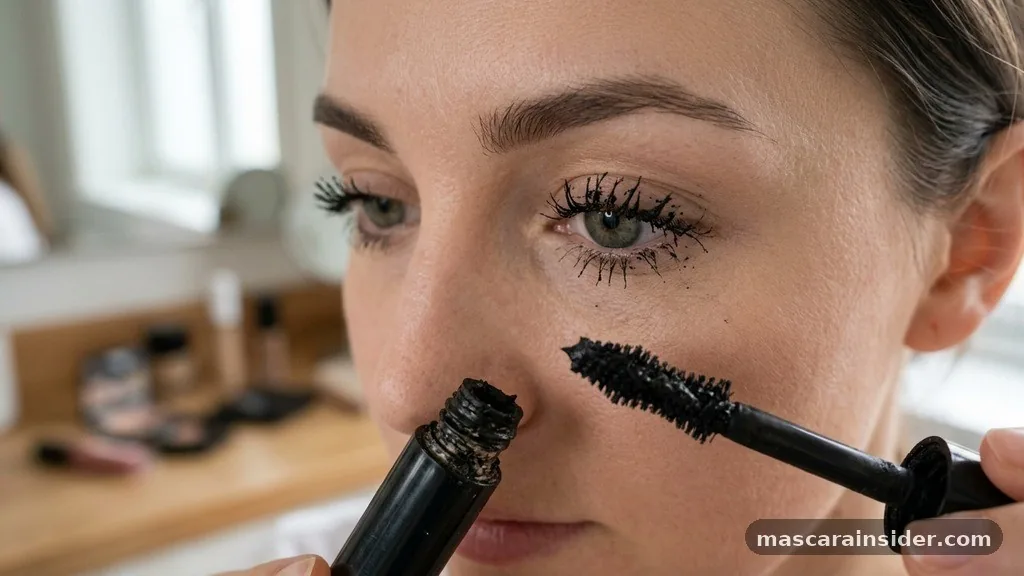
Dealing with the frustration of finding my mascara clumpy right as I’m heading out the door is a common beauty hurdle. Whether you are using a high-end brand or a drugstore favorite, thick, spider-web-like lashes often signal that your product has reached the end of its prime or wasn’t applied quite right.
Understanding the science behind why this happens can save you from constantly tossing out half-used tubes. We will look at the factors causing these texture changes and how you can restore your favorite beauty staple to its original, smooth consistency.
Common Culprits Behind Clumpy Mascara
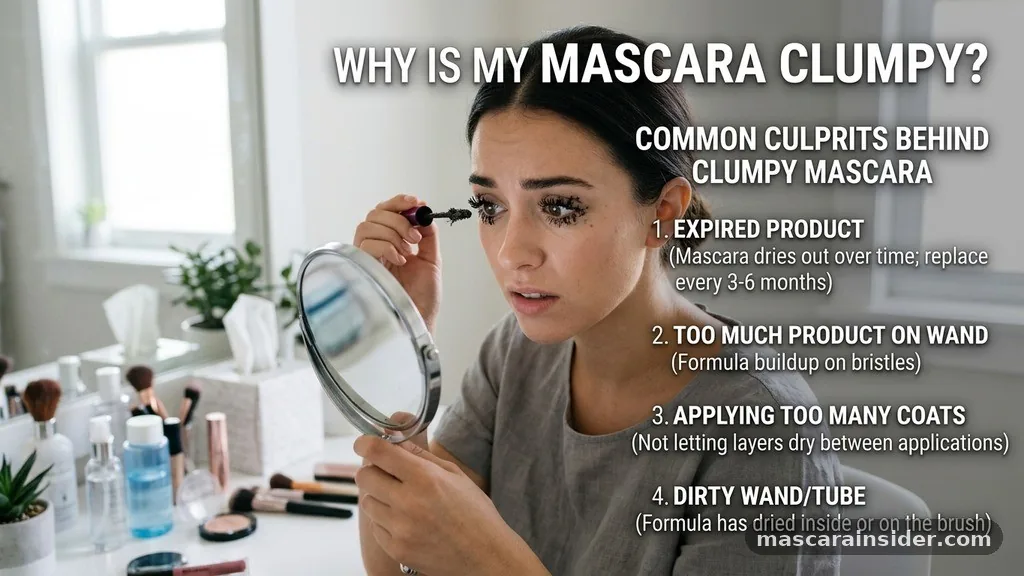
When you notice your mascara is clumpy, it is usually the result of physical changes within the tube or improper application techniques. The most frequent cause is formula oxidation, which occurs every time you open the bottle.
Each time the mascara wand is removed, air enters the container. This repeated air exposure causes the solvents in the formula to evaporate, leaving behind a thicker, more viscous substance that clings to your lashes in unsightly globs.
Another major factor is the accumulation of old, dried product around the neck of the tube. When you push the wand back in, it picks up these hardened bits of makeup, which then get deposited onto the fresh product inside.
This cycle creates a buildup that ruins the smooth texture of the liquid. If you find yourself frequently wondering why is my mascara clumpy, take a close look at the rim of your tube; if it looks crusty or dark, that is a clear indicator that your application process is introducing unnecessary debris into the container.
The Role of Expiration and Shelf Life
Many people overlook the expiration date of their eye makeup, assuming it lasts until it runs out. Mascara has a very short shelf life compared to other cosmetics, typically lasting only three months after being opened.
Using a product beyond this window isn’t just a texture issue; it is a hygiene concern. Old formulas lose their original chemical balance, leading to the dreaded clumping effect as the ingredients begin to separate or harden.
Beyond the texture, sticking to this three-month rule helps prevent bacterial growth. Your eyes are highly sensitive, and an old tube can harbor microbes that cause irritation or infection.
If you have been using your tube for longer than a season, it is likely that the chemical preservatives have degraded. Trying to revive a product that is past its prime is rarely worth the risk to your eye health.
Application Habits That Cause Clumping
Sometimes the issue isn’t the formula itself, but the way it is applied to the lashes. A common mistake is the “pumping” motion people use to get more product on the wand.
This action forces air into the tube, accelerating the drying process significantly. Instead of pumping, try swirling the wand gently inside the tube to coat the bristles evenly.
The way you position the brush also dictates how the product distributes. If you apply too many layers without letting the previous one dry, the wet layers will stick together, creating clumps. Using a lash separator or an eyelash comb immediately after application can help distribute the pigment more evenly and remove excess weight from the tips of your lashes.
- Stop pumping the wand; swirl it instead to prevent excess air entry.
- Wipe the excess product off the tip of the wand onto a tissue before application.
- Comb through lashes with a clean spoolie brush while the mascara is still wet.
- Avoid applying more than two coats if your formula is naturally thick.
- Keep the tube tightly sealed whenever you aren’t actively using it.
Comparing Different Mascara Formulas
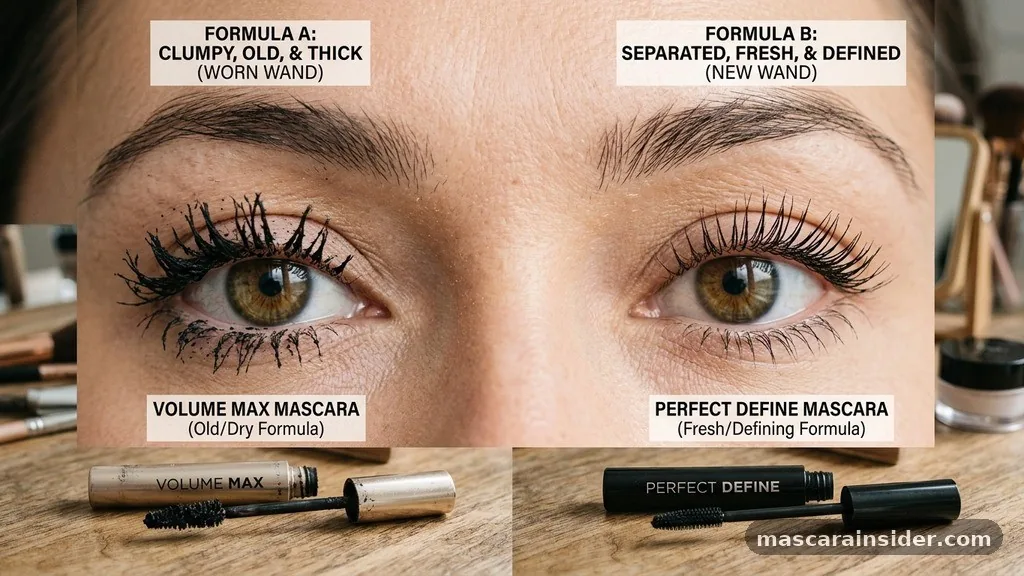
Not all mascaras behave the same way. Some are designed for volume, while others focus on lengthening. Generally, volumizing formulas contain more wax and pigments, making them more prone to clumping than lengthening formulas, which often feature more polymers.
| Formula Type | Clump Risk | Best Feature |
|---|---|---|
| Volumizing | High | Thick, dramatic lashes |
| Lengthening | Low | Defined, separated lashes |
| Tubing Mascara | Very Low | Water-resistant, easy removal |
Tubing mascara is a unique category that uses polymer technology to wrap around each individual lash rather than just painting over it. These formulas rarely clump because they are designed to form distinct, smudge-proof tubes. If you find standard formulas consistently clumpy, switching to a tubing version might solve your problem entirely.
Techniques to Revive Thick Mascara
If your mascara is only a month or two old and has become thick, you don’t necessarily need to throw it away. You can often restore the consistency by adding a few drops of saline solution or a dedicated makeup thinner. Be careful not to use oil-based products, as they can break down the formula and cause it to smudge throughout the day.
Another effective trick is to place the closed tube in a cup of warm water for a few minutes. The heat helps soften the makeup residue and wax trapped inside, allowing the product to glide onto your lashes more smoothly. This is a temporary fix, but it works wonders when you are in a rush and need your makeup to look perfect.
Addressing Common Topical Gaps
A common point of confusion for many users involves the difference between “clumpy” and “spidery” lashes. While clumpy refers to the texture of the product, spidery lashes often result from applying too much product to the ends of the lashes.
If you are struggling with this, ensure you are starting the application at the base of the lash line and wiggling the wand outward. This technique ensures the bulk of the product stays at the root, which provides a lifting effect without the heavy, weighted-down look that leads to clumping.
Another gap in knowledge is how environment affects the product. Humidity and temperature changes can impact the chemical stability of your eye makeup.
If you store your cosmetics in a bathroom, the steam from your daily shower can introduce moisture into the tube or cause the formula to destabilize. Moving your makeup to a cool, dry place can extend its life and prevent the formula from thickening prematurely.
FAQ Section
Is it safe to add water to clumpy mascara?
No, adding plain water can introduce bacteria and ruin the formula’s preservation system, leading to potential infections.
How can I tell if my mascara has expired?
If the smell changes, the color shifts, or the texture becomes impossible to smooth out, it is expired.
Does a lash separator really stop clumping?
Yes, using a metal or plastic lash separator removes excess product and ensures each lash is distinct.
Why does my brand new mascara look clumpy?
Some new formulas are naturally thicker or contain more wax, which can cause immediate clumping upon first use.
Should I clean my mascara wand?
Yes, wiping the wand with a makeup remover wipe occasionally helps remove dried buildup and keeps application smooth.
Can heat damage my mascara?
Extreme heat can cause the formula to separate or become too runny, leading to messy, clumpy application later.
What is the best way to prevent mascara from drying out?
Always ensure the cap is twisted on completely and avoid pumping the wand to minimize internal air exposure.
Summary and Next Steps
Understanding why my mascara clumpy happens is the first step toward achieving a flawless lash look. Most of the time, the issue stems from simple habits like pumping the wand or using an expired product. By keeping your tubes tightly sealed, storing them in a cool environment, and using the right application techniques, you can keep your makeup smooth and effective for its entire lifespan.
If you are still struggling with clumping after trying these tips, it might be time to switch to a different formula, such as a tubing mascara, which is specifically designed to resist these common issues. Keep an eye on your three-month replacement schedule, and your lashes will thank you for it. If you have a favorite trick for reviving a dried-out tube, feel free to share it below.


