

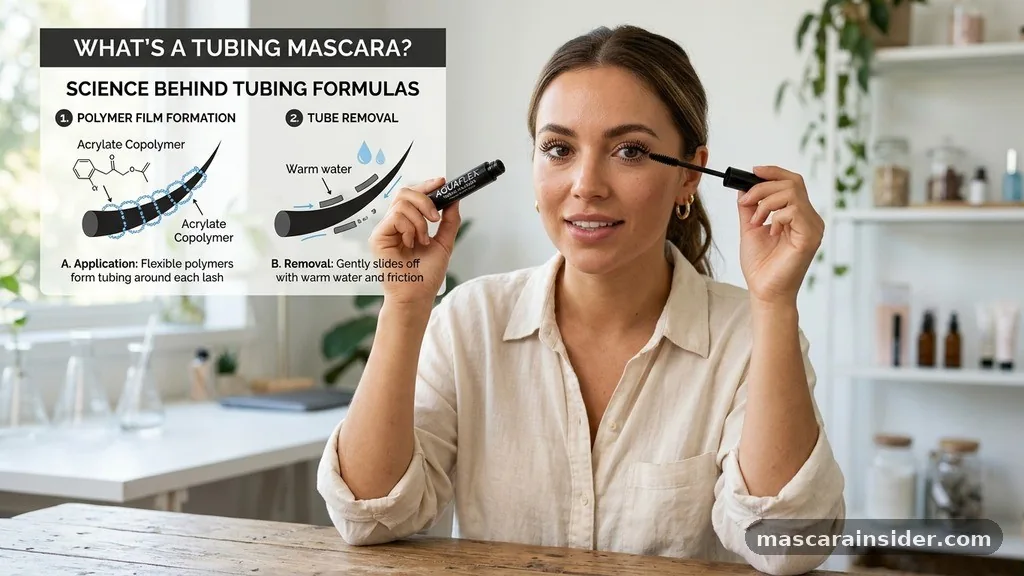
If you have ever dealt with the frustration of panda eyes by midday, understanding what’s a tubing mascara might be the solution you need. Unlike traditional formulas that coat your lashes in pigmented wax or oil, these products use advanced chemistry to physically wrap each individual lash in a sleeve. This unique approach creates a dramatic, lengthening effect without the messy residue that follows a typical day.
Because the formula relies on a different mechanism to stay put, it offers a level of durability that most standard mascaras just cannot match. Learning why this technology works will change how you approach your daily beauty routine and help you avoid common makeup mishaps.
The Science Behind Tubing Formulas
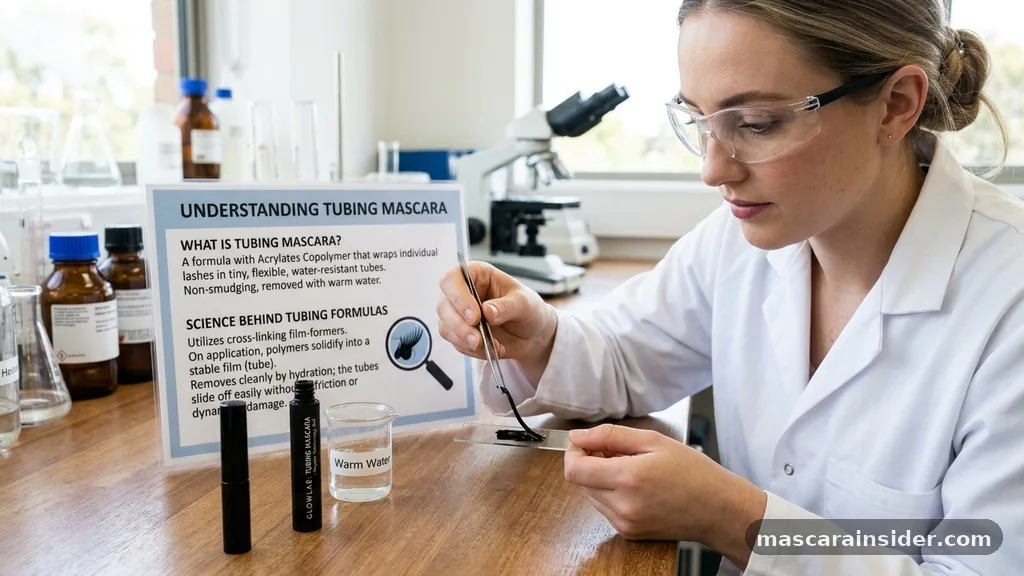
At its core, a tubing mascara functions quite differently from standard options because it utilizes polymer technology. Instead of just painting your lashes with pigment, the formula contains specific tubing polymers—often an acrylic copolymer—that dry down into a firm, water-resistant sleeve around each hair.
Think of it like a tiny, flexible cast for your eyelashes. Because these tubes are self-contained, they do not smudge, run, or transfer onto your eyelids, even if you have oily skin or reside in a humid climate.
This water-based formula structure is what sets it apart. While traditional mascaras rely on waxes that can soften when exposed to natural skin oils, the polymer sleeves stay rigid and intact until you decide to remove them.
This gives you a smudge-proof experience that lasts from your morning coffee until your late-night skincare routine. You get the benefits of a long-wear product without the struggle of scrubbing your delicate eye area with harsh chemicals.
Why Removal Is Different
The most distinct feature of these mascaras is how they come off. You do not need an oil-based makeup remover or a heavy-duty balm to break them down.
In fact, these products are specifically engineered for warm water removal. When you saturate your lashes with warm water, the polymers soften and lose their grip on the hair.
You can gently slide the tubes off your lashes using your fingertips or a damp cloth. This process is incredibly satisfying and far less damaging to your lash health than rubbing away waterproof waxes. Because you aren’t tugging or pulling at the roots, it is a fantastic option for those who want to prevent lash breakage.
Comparing Traditional and Tubing Mascaras
It is helpful to see how these two categories stack up side-by-side. While both aim to enhance your look, the composition and removal methods are fundamentally different.
| Feature | Traditional Mascara | Tubing Mascara |
|---|---|---|
| Primary Ingredient | Waxes and Pigments | Tubing Polymers |
| Removal Method | Oil-based cleanser | Warm water |
| Smudge Resistance | Low to Medium | High |
| Lash Effect | Volume and Thickness | Lengthening and Definition |
Benefits for Sensitive Eyes
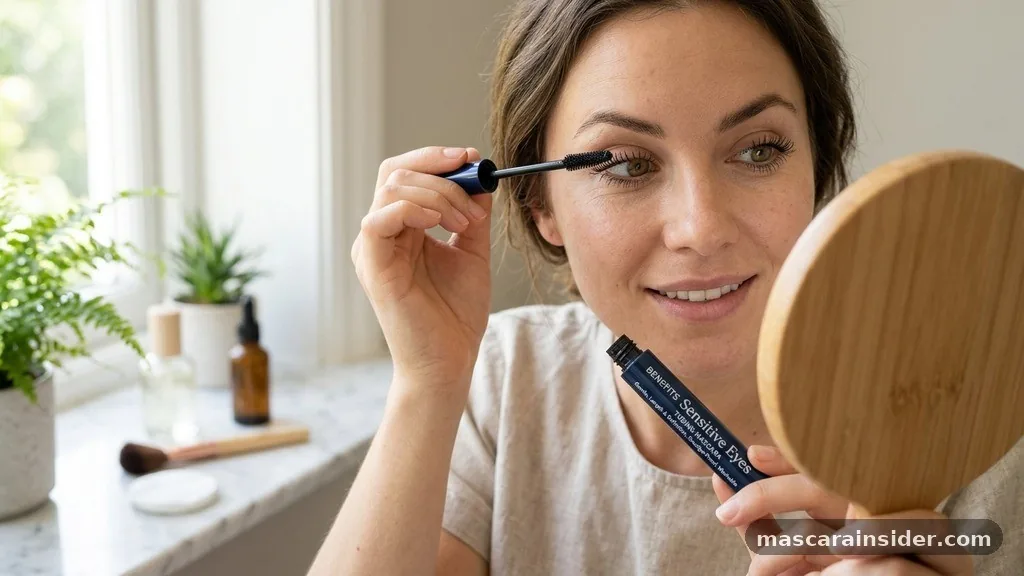
If you wear contact lenses or have sensitive eyes, finding the right product can feel like a chore. Many standard formulas contain ingredients that can irritate the eyes or flake throughout the day, causing red, itchy sensations. Because tubing formulas are flake-free and rely on a stable, non-migrating polymer, they are often a much safer bet.
Many of these formulas are ophthalmologist tested to ensure they meet high safety standards. Since they don’t break down into oily smudges, there is a significantly lower chance of particles falling into your eyes. If you’ve ever had a speck of regular mascara irritate your contacts, switching to a tubing formula can be a literal eye-opener.
Addressing Common Misconceptions
There is a common belief that because something is “tubing,” it cannot be waterproof. While it is true that they dissolve in warm water, they are actually incredibly resistant to sweat, rain, and tears. The term “waterproof” usually refers to oil-based products that require solvents for removal, whereas tubing formulas are “water-resistant” in a way that defies most daily challenges.
Another gap in consumer knowledge is the look of these products. Many people assume that since they aren’t waxy, they won’t provide volume.
While they are world-renowned for their lengthening effect and clean lash separation, some modern formulations are now hitting the market with “volume-tubing” hybrids. You don’t have to sacrifice a dramatic look to get the convenience of a tube-based formula.
How to Identify a Tubing Mascara
Not every brand clearly labels its products as “tubing,” which makes shopping a bit tricky. You can often spot them by checking the ingredient list for terms like “Acrylates Copolymer” or “Polyurethane.” If the packaging claims it comes off with just warm water, you are almost certainly looking at a tubing formula.
- Look for “warm water removal” on the label.
- Check the ingredient list for acrylic-based polymers.
- Note if the brand describes the finish as “tube-like” or “sleeve-forming.”
- Expect a cleaner, more defined lash look rather than a clumped, heavy volume.
- Avoid products that require an oil cleanser for effective removal.
Tips for Application Success
Getting the most out of your purchase requires a slightly different technique than what you might be used to. Because the polymers begin to set as they dry, you should apply your coats relatively quickly. If you wait too long between strokes, you might find the brush dragging against the semi-dry tubes, which can cause them to pull away from the lash.
Start at the base of your lashes and wiggle the wand upward to ensure the product coats the entire length. You don’t need to do ten coats; usually, two is enough to achieve a striking look that mimics the appearance of lash extensions.
If you get a little on your eyelid, let it dry completely before you touch it. Once it’s dry, you can just flake it off with a clean spoolie, and it will disappear without leaving a dark, messy stain.
FAQs About Tubing Technology
Is tubing mascara better than regular mascara?
It depends on your goals; tubing is superior for smudge-proof wear, while traditional mascara excels at thick volume.
What are the main downsides of tubing mascara?
The primary downside is that it doesn’t provide the same dense, clumped volume as traditional waxy formulas.
How do I know if my mascara is tubing?
If the instructions explicitly state it removes with warm water, it is almost certainly a tubing mascara.
Is tubing mascara bad for your lashes?
No, it is generally gentler because it requires no harsh rubbing or oil-based removers to clean off.
Can I layer tubing mascara over other formulas?
It is not recommended, as the tubing formula needs direct contact with the lash to create its sleeve.
Does it work for short lashes?
Yes, the precision of the wand and the tubing mechanism is excellent for grabbing and lengthening short lashes.
Are all smudge-proof mascaras tubing?
Not necessarily, but most highly reliable smudge-proof formulas on the market today utilize this specific polymer technology.
Understanding what’s a tubing mascara is essentially about choosing convenience and cleanliness over the traditional waxy buildup. By wrapping your lashes in these specialized polymers, you get a reliable, long-lasting look that holds up through humidity, sweat, and long days. The gentle removal process is a major bonus for your eye health, reducing the need for aggressive scrubbing and keeping your delicate lash hairs in better condition.
Whether you want to simplify your nightly routine or finally solve the mystery of your persistent under-eye smudges, this technology offers a practical and effective path forward. If you haven’t tried one yet, consider swapping your current tube for a polymer-based one to see the difference for yourself.


