

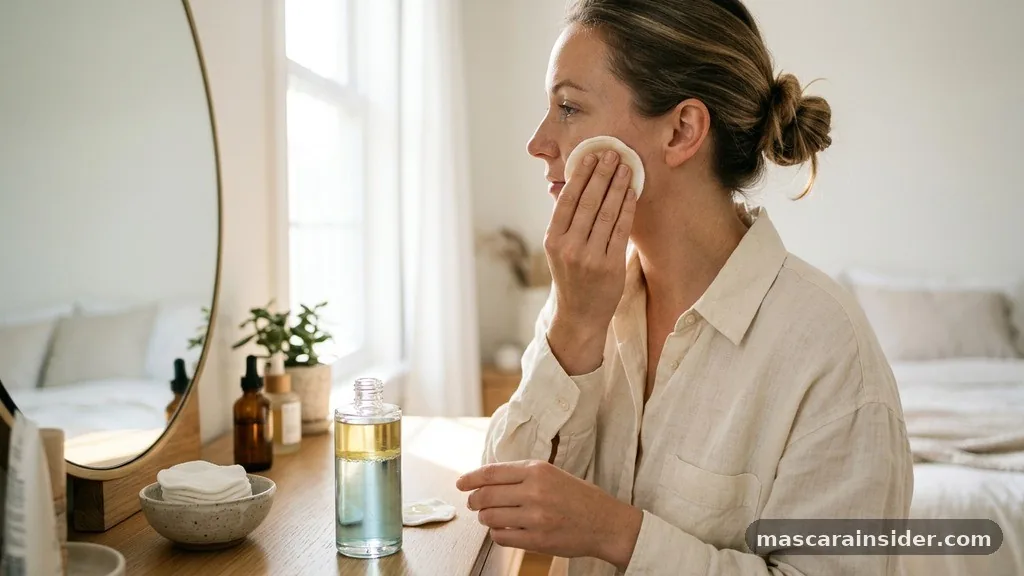
Struggling with stubborn eye makeup is a common frustration, especially when you are trying to figure out the best way to takeoff waterproof mascara without damaging your delicate lashes. Many people find themselves tugging or scrubbing at their lids, which often leads to irritation and premature lash loss. Achieving a clean finish requires the right technique and the correct products to break down those resilient, water-resistant polymers.
By shifting your approach from forceful rubbing to a dissolving method, you can keep your eyes comfortable and healthy. This process isn’t just about speed; it’s about preserving the natural strength of your eyelashes over time.
Why Waterproof Mascara Resists Standard Cleansers
Waterproof formulas are specifically engineered to endure humidity, sweat, and tears by utilizing synthetic waxes and volatile solvents. When these components dry on your lashes, they form a hydrophobic barrier that plain water or standard soap simply cannot penetrate.
Attempting to wash these off with water-based products often results in smearing rather than removal, which leaves you with “raccoon eyes” and unnecessary stress on your skin. Understanding that you need a solvent—specifically an oil-based one—is the secret to efficient removal.
The Most Effective Products for Makeup Dissolution
Selecting the right product determines how much effort you actually need to exert. If you value efficiency, investing in a specialized remover is your best path forward.
- Biphase makeup remover: These formulas contain both oil and water phases that, when shaken, create a powerful solvent for stubborn pigments.
- Cleansing balm: These solid oils melt into a luxurious liquid on the skin, effortlessly lifting away heavy makeup without requiring harsh friction.
- Oil-based cleanser: Using an oil cleanser as the first step in a double cleansing routine effectively breaks down the waterproof barrier.
- Micellar water with oil: Specifically designed for long-wear products, this version provides the convenience of a rinse-free formula with the added power of oil.
Step-by-Step Guide to Proper Removal
You should approach the process with patience to avoid any unnecessary strain on your eye area. The goal is to let the product do the heavy lifting so your hands don’t have to.
1. Saturate Your Applicator
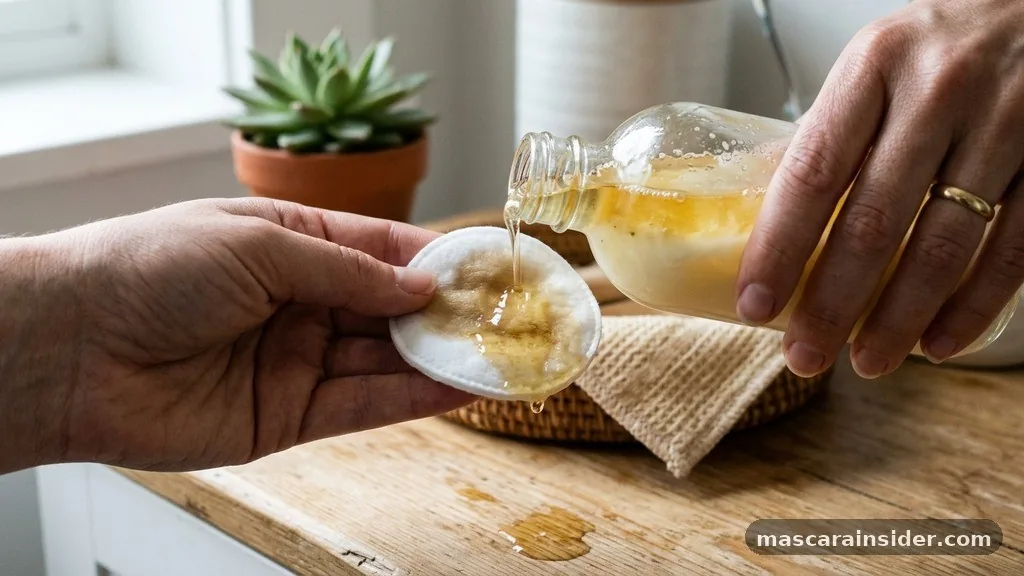
Begin by soaking a high-quality cotton pad or a reusable cloth with your chosen oil-based cleanser. If you are using a biphase formula, ensure you shake the bottle vigorously to mix the two layers before pouring.
2. The Press and Hold Technique
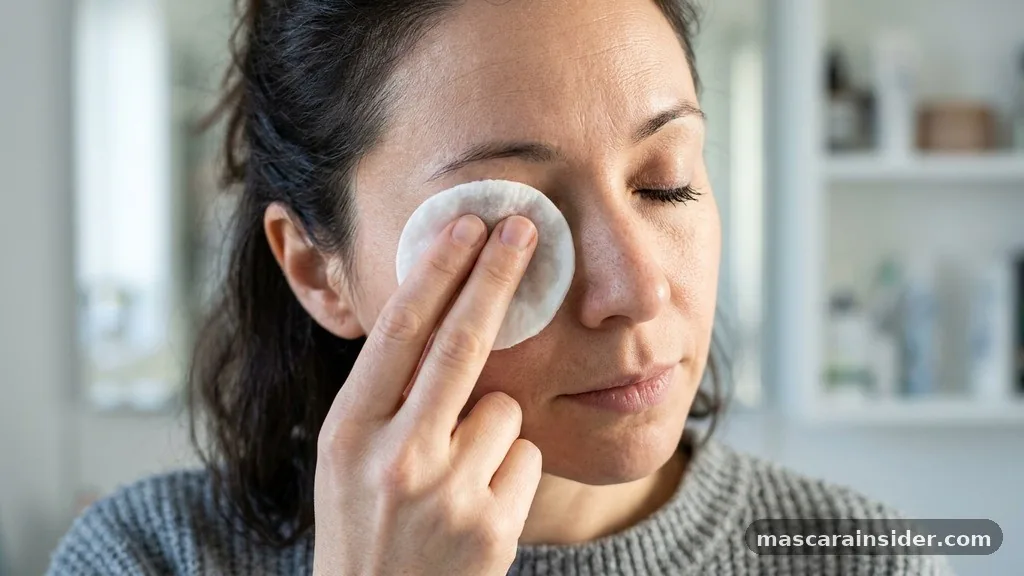
Place the soaked pad gently against your closed eyelid. Hold it there for at least 20 to 30 seconds. This duration allows the oil to soften the waterproof formula, essentially dissolving the bond between the mascara and your lashes.
3. Gentle Sweeping Motions
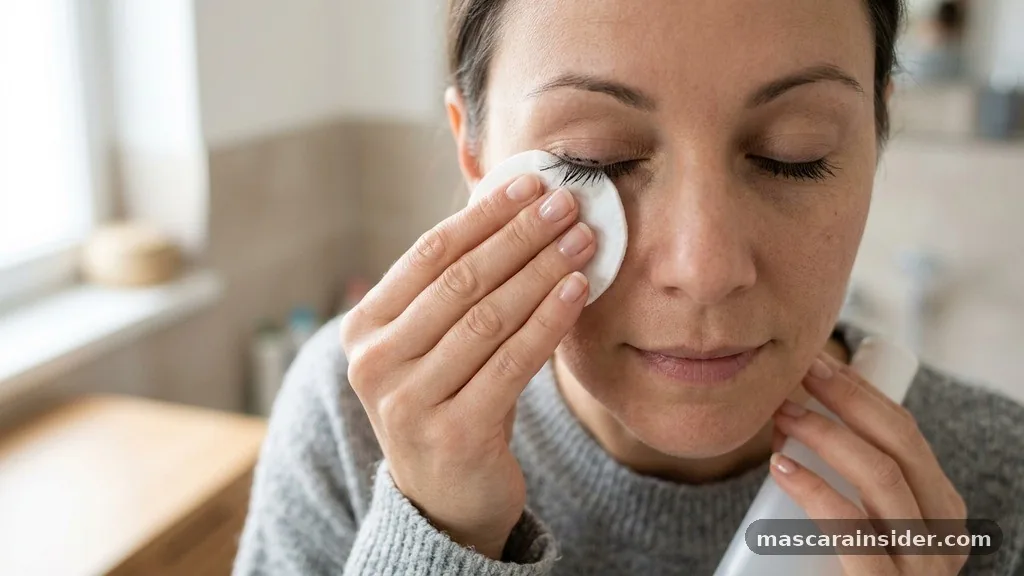
Once the time is up, sweep the pad downward in the direction of your lash growth. Avoid any side-to-side scrubbing, as this is the primary cause of mechanical lash damage.
4. Targeted Cleanup
Use a cotton swab dipped in your remover to catch any remaining residue near the lash line or in the corners of your eyes. This attention to detail prevents buildup that could lead to clogged follicles or morning irritation.
Comparing Common Removal Methods
Different products offer varying levels of convenience and efficacy. The following table illustrates how these options stack up for daily use.
| Method | Best For | Effort Required |
|---|---|---|
| Biphase Remover | Heavy waterproof makeup | Low |
| Cleansing Balm | Full face cleansing | Minimal |
| Natural Oils | Sensitive skin | Moderate |
| Micellar Water | Light makeup days | Moderate |
Addressing Common Topical Gaps
Many users wonder why their standard micellar water fails to remove waterproof formulas. The reason is simple: standard micellar water is water-based and lacks the fatty acids or specialized solvents necessary to break down the specific synthetic waxes found in waterproof formulas. If you use a non-oil-based micellar water, you will inevitably end up with residue.
Furthermore, people often worry about potential damage when using household oils. While coconut oil or almond oil can work in a pinch, they are often comedogenic and can leave a heavy, cloudy film in your eyes. Always prioritize products formulated specifically for the eye area to maintain safety and clarity.
Protecting Lash Health During Removal
Lash health is a priority for anyone who wears mascara regularly. Consistent tugging or using the wrong tools can lead to significant eyelash breakage. Always ensure your tools are soft, such as high-quality cotton pads that don’t shed fibers into your eyes.
If you notice your lashes appearing thinner or brittle, it may be a sign that your removal technique is too aggressive. Incorporating a lash serum or simply being more diligent about the “press and hold” method can make a massive difference in the long-term density of your lashes.
Natural Alternatives and Their Limitations
Many people look for household items to solve their beauty dilemmas. Coconut oil and almond oil are popular, effective, and generally safe to use as a makeup remover. However, they lack the emulsifying agents found in professional-grade cleansers.
This means they don’t rinse away with water as cleanly, often requiring a second cleanse with a gentle face wash to ensure no oily film remains. While they are cost-effective, they are not always the most convenient choice for a quick nighttime routine.
FAQ Section
What is the fastest way to takeoff waterproof mascara?
Using a dedicated biphase makeup remover or a cleansing balm is the fastest, most effective approach.
Can I use baby oil to remove waterproof mascara?
Yes, baby oil is an effective solvent, but it can be greasy and difficult to rinse off.
Why does my mascara leave a black residue under my eyes?
Residue occurs when the mascara isn’t fully dissolved by your cleanser before you start wiping it away.
Is it okay to use olive oil for makeup removal?
Olive oil works, but it is heavy and may clog pores around the eye if not cleansed properly.
How do I avoid losing eyelashes while removing makeup?
Never scrub; always press a soaked pad against the lashes to dissolve the formula before gently wiping.
Does micellar water work for all waterproof formulas?
Only if the micellar water is specifically labeled as “biphase” or containing oil for waterproof makeup.
What should I do if my eyes feel irritated after removal?
Flush your eyes with cool water and switch to a fragrance-free, ophthalmologist-tested makeup remover next time.
Mastering Your Nightly Routine
Successfully managing the removal of long-wear eye products is a skill that saves your skin and lashes from unnecessary trauma. By prioritizing oil-based cleansers and allowing the product sufficient time to dissolve the waterproof formula, you eliminate the need for harsh friction. Remember that the health of your eye area depends on how gently you treat it during these final moments of your day.
Establishing a consistent, low-impact routine ensures that your lashes remain strong and your skin stays clear. If you have any specific concerns about irritation or product compatibility, consider consulting with a dermatologist to find a formula that perfectly suits your unique skin type.


