

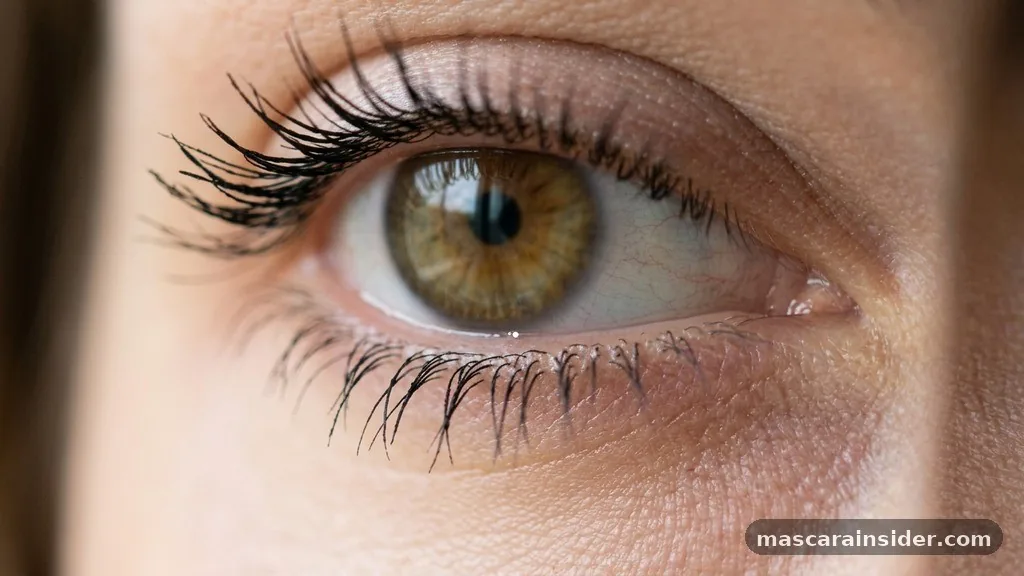
Deciding whether you should put mascara on your bottom lashes often comes down to personal style, eye shape, and the specific look you want to achieve. While some makeup artists swear by the practice to open up the eyes, others avoid it to prevent unwanted smudging or to keep the focus purely on the upper lash line.
Understanding how different products interact with your skin and the overall balance of your face is key to making this choice. By learning the right techniques and selecting the proper formulas, you can decide if applying cosmetic pigment to your lower fringe enhances your natural beauty or detracts from your desired aesthetic.
The Impact of Lower Lash Definition
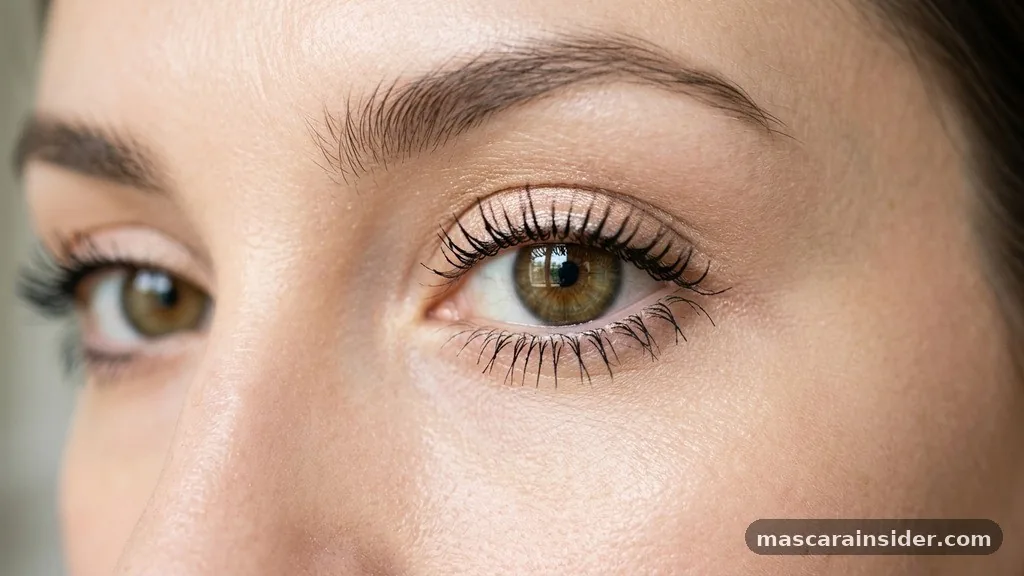
Defining the lower fringe creates a frame for the eye that can significantly alter your facial expression. When you choose to apply product here, you are essentially drawing attention to the lower orbital area. This technique is highly effective for those who want to create a wide-eyed, doll-like appearance or simply want to balance out a heavy upper lash look.
However, this placement carries risks. Because the lower lash line sits right against the skin that often experiences natural oils or movement, it is the primary zone for pigment migration. If your goal is a clean, minimalist look, skipping the bottom lashes might be the better choice to ensure your makeup stays crisp throughout the day.
Choosing the Right Formula for Bottom Lashes
Selecting the correct product is the most important step in preventing the dreaded “raccoon eye” effect. Because your bottom lashes frequently touch the skin under your eyes, standard formulas often fail to hold up. You need a product that resists moisture, sweat, and oil.
Why Tubing Mascara is a Game Changer
Tubing mascara is widely considered the gold standard for lower lash application. Unlike traditional waxes, these formulas contain polymers that wrap around each individual hair like a tiny tube. Because they do not dissolve with oil, they are incredibly resistant to smudging, yet they slide off easily with warm water and gentle pressure.
The Role of Waterproof Formulas
Waterproof mascara is another viable option for the lower lash line. These formulas are designed to withstand water and humidity, making them excellent for long-wearing scenarios. The trade-off is that they can be more difficult to remove, requiring a dedicated oil-based cleanser to avoid pulling or damaging the delicate hairs.
| Formula Type | Best For | Removal Difficulty |
|---|---|---|
| Tubing Mascara | Preventing smudges on oily skin | Easy (warm water) |
| Waterproof | High humidity and sweat | Moderate (oil cleanser needed) |
| Standard/Volumizing | Drama and thickness | Very easy |
Makeup Application Techniques for Precision
The way you hold your tool matters as much as the product inside the tube. When working on the lower lash line, you need to minimize the surface area of the wand to prevent accidental contact with your skin.
- Use a small, tapered wand designed specifically for precision.
- Hold the wand vertically to target individual lashes rather than sweeping horizontally.
- Place a small tissue or a dedicated makeup shield under your lashes before applying.
- Apply a light touch; one coat is usually sufficient to define without overpowering.
- Focus the product toward the outer corners for a lifted, cat-eye effect.
Addressing Concerns for Mature Skin
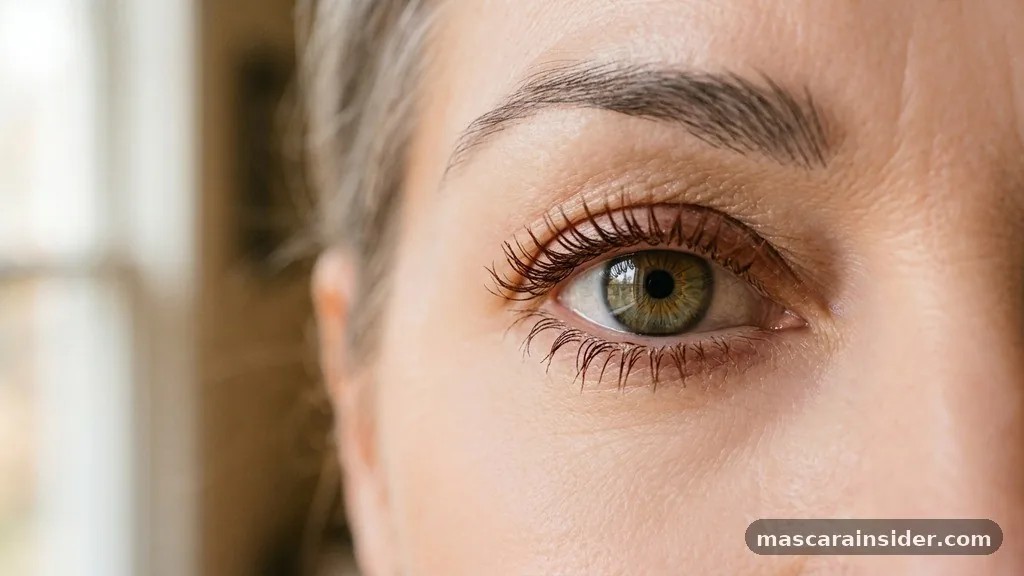
As skin ages, the area under the eyes often becomes thinner and develops fine lines. You might worry that mascara on the bottom lashes will highlight these features. While it is true that dark, smudged mascara can settle into fine lines and make them appear more prominent, a clean, well-defined lower lash line can actually provide a youthful “lift” to the eye area.
If you are concerned about aging effects, opt for lighter colors like soft brown or charcoal instead of intense black. These shades provide definition without the harsh contrast that can sometimes draw attention to dark circles or skin texture. Keeping the application very thin prevents the product from flaking, which is the primary culprit behind an aged appearance.
Common Topical Gaps in Lash Care
Many articles overlook the relationship between lash health and the daily removal process. Frequently, people struggle with “smudging” because they haven’t properly prepared the area. If your skin is heavily moisturized with a thick eye cream, that moisture will inevitably break down even the best long-wearing cosmetics.
To bridge this gap, consider using a light, fast-absorbing serum or gel under the eye instead of a heavy cream before doing your makeup. Additionally, using a lash primer can create a barrier between your skin and the mascara, providing a smooth base that prevents the product from grabbing onto the skin.
Proper eye makeup removal is also critical; never scrub the lower lashes, as this leads to breakage. Instead, press a saturated cotton pad against the lashes for thirty seconds to allow the cleanser to dissolve the bond before wiping gently.
Does Mascara on Lower Lashes Make You Look Older?
The perception that lower lash makeup ages you is largely a myth born from poor technique. When mascara flakes or runs, it creates shadows that mimic the look of tired, dark circles. If you have clear, well-defined lashes, the look is generally flattering.
The key is maintenance; if you cannot commit to checking your makeup for smudges throughout the day, it is better to skip the bottom lashes entirely. A clean, fresh face is always more youthful than one with tired, smudged makeup.
When to Avoid Bottom Lash Mascara
There are specific situations where skipping the bottom lashes is the smarter beauty choice. If you are prone to watery eyes due to allergies or contact lenses, the lower lash line becomes a danger zone for smudging. Similarly, if you are attending an event where you expect to be emotional or outdoors in high humidity, the risk of migration is significantly higher.
Sometimes, the “less is more” approach works best. If you have naturally long, dark lower lashes, you might only need a clear brow gel to groom them into place. This keeps them looking polished and separated without adding any pigment that could potentially migrate.
Final Thoughts on Lower Lash Styling
Deciding whether you should put mascara on your bottom lashes is a stylistic choice that should be balanced with your lifestyle and skin type. If you enjoy the look of a wide-open eye and have the right smudge-proof formula, there is no reason to avoid it. By using a precise wand, focusing on tubing or waterproof products, and preparing the under-eye area properly, you can enjoy a polished look without the fear of smudging.
Experiment with different techniques to see what best complements your unique eye shape. Remember that makeup is a tool for self-expression, and there are no rigid rules that apply to everyone.
If you find that your lower lashes look better bare, embrace that minimalist aesthetic with confidence. Your beauty routine should always prioritize what makes you feel most comfortable and put-together throughout your day.
Does mascara on lower lashes age you?
It only ages you if it flakes or smudges, which highlights fine lines and dark under-eye circles.
How to make bottom lashes look fuller?
Use a thin, precision wand to coat each lash individually and focus on the outer corner for lift.
Are eyelashes healthier without mascara?
Lashes are generally healthier without daily mascara, as it prevents potential breakage from harsh rubbing during removal.
What mascara is best for bottom lashes?
Tubing mascaras are the best choice because they resist oils and do not smudge throughout the day.
Can I use brown mascara on bottom lashes?
Yes, brown mascara is excellent for a softer, more natural look that avoids harsh contrast on mature skin.
How do I stop bottom lash mascara from smudging?
Prep the under-eye area with a light, non-greasy moisturizer and always use a smudge-proof or tubing formula.
Should I use a primer for bottom lashes?
A lash primer creates a smooth base and helps prevent mascara from flaking or transferring onto the skin.


