

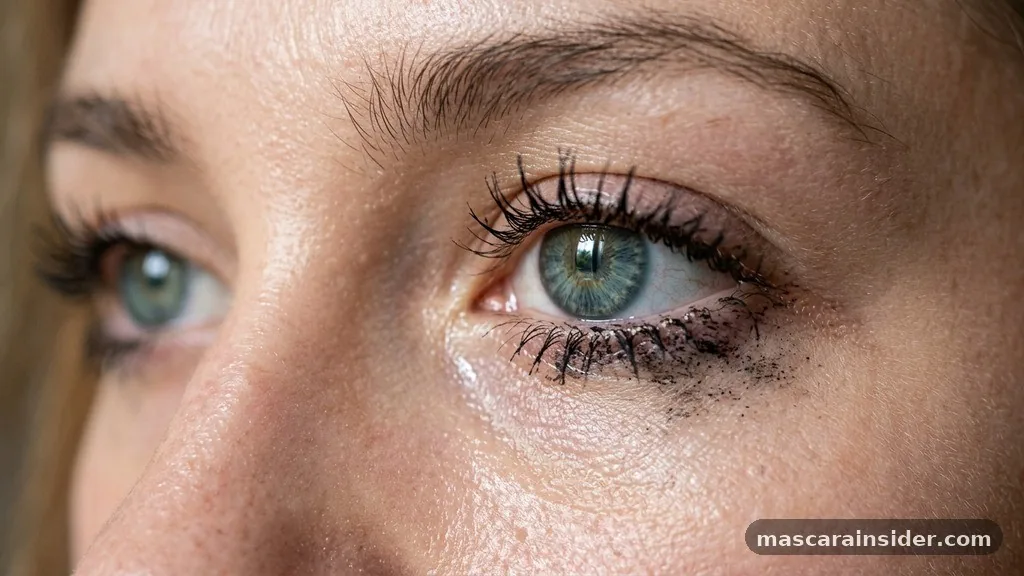
Dealing with the frustration of checking the mirror only to find dark circles beneath your eyes is a common beauty struggle. If you find yourself asking why does my mascara always smudge, you are certainly not alone, as this issue often stems from a combination of skin chemistry, product formulation, and application habits.
Understanding the science behind your makeup can help you reclaim a clean, polished look that lasts from morning until night. Whether it is the natural oils on your lids or the specific type of mascara you choose, identifying the root cause is the first step toward effective prevention.
Understanding the Role of Skin Chemistry and Sebum

The primary reason many people deal with persistent smudging is their natural sebum production. Your skin, particularly around the eyes, produces oils throughout the day to keep the area hydrated and protected.
If you have an oily skin type, these natural oils migrate toward your lashes, breaking down oil-soluble formulas in your mascara. Once the product loses its structural integrity, it begins to transfer onto your skin, creating that dreaded raccoon-eye effect.
Beyond natural oils, the products you apply to your face can exacerbate the problem. Many moisturizers, eye creams, and even rich concealers contain emollients that act as solvents for standard mascaras. When your lashes brush against these products, the mascara softens and migrates downward.
To combat this, focus on prepping your skin correctly. Use a lightweight, fast-absorbing eye cream and allow it to dry completely before applying any makeup. If you use an under-eye concealer, ensure it is set well with a translucent powder to create a barrier that prevents oils from interacting with your lash line.
The Science of Mascara Formulations
Not all mascaras are created equal, and the chemical composition of your product plays a huge role in its longevity. Standard mascaras are often designed for easy removal, which means they are susceptible to moisture and oil. If you notice your makeup failing by midday, you might be using a formula that isn’t compatible with your lifestyle or environment. Waterproof mascara is a popular choice for those seeking a smudge-proof finish, but it comes with its own set of challenges, specifically regarding removal and potential lash damage.
A superior alternative for many is tubing mascara. Unlike traditional formulas that coat the lash in pigment, tubing mascara utilizes polymer technology to wrap each individual lash in water-resistant “tubes.”
This process of polymerization ensures that the product doesn’t flake or dissolve when exposed to sweat or natural oils. Because these tubes are only removed with warm water and gentle pressure, they stay firmly in place throughout the day, effectively solving the issue of smudging for people with active lifestyles or naturally oily lids.
Comparing Mascara Types for Longevity
Choosing the right formula depends on your specific needs, such as volume, length, or resistance to moisture. The following table illustrates how different types of mascara handle common environmental stressors.
| Mascara Type | Best For | Smudge Resistance | Removal Method |
|---|---|---|---|
| Standard | Easy removal | Low | Cleanser |
| Waterproof | High humidity | High | Oil-based remover |
| Tubing | Sensitive eyes/Oily skin | Very High | Warm water |
Technique and Application Best Practices
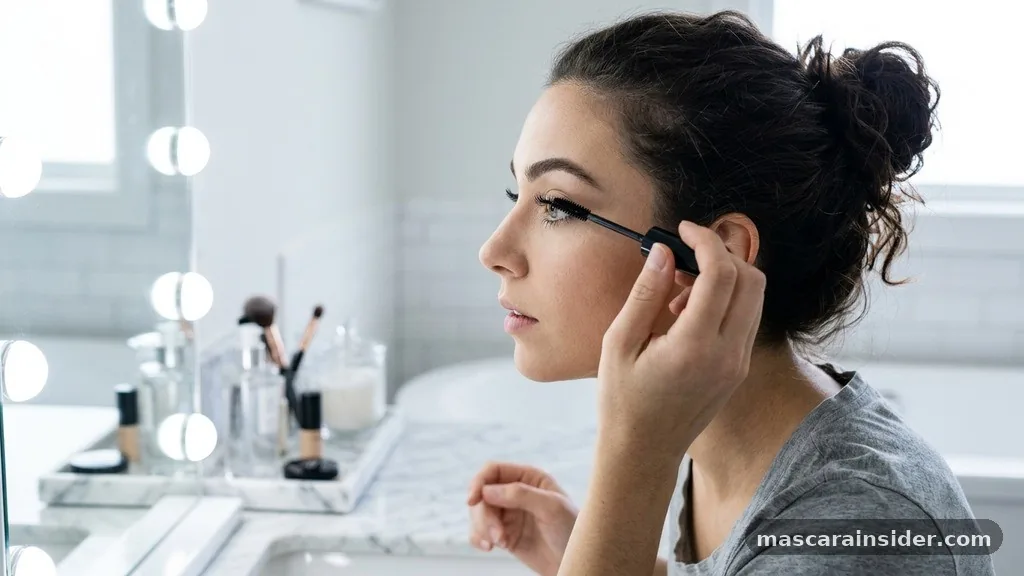
Even the best product will fail if your application technique is flawed. One common mistake is applying mascara too close to the base of the lashes, which makes it more likely to touch the skin. Instead, focus the bulk of the product on the mid-lengths and tips of your lashes.
If you use a lash curler, make sure to curl your lashes before applying mascara. Curling them after the product has dried can cause the lashes to stick to the curler or crack the mascara, leading to unsightly flakes and smudges.
Another essential step is incorporating an eyelid primer into your routine. A high-quality primer creates a matte surface that absorbs excess oil before it has a chance to touch your lashes.
If you prefer a more minimalist approach, a light dusting of setting powder over your eyelids can have a similar effect. Finally, finishing your look with a makeup setting spray can help lock your entire base makeup in place, ensuring that your concealer doesn’t slide into your lash line.
Addressing Structural Factors and Lash Maintenance
Sometimes, the issue isn’t just the product but the anatomy of your face. People with hooded eyelids often experience more smudging because their skin naturally rests against their lashes.
As the skin folds over, it creates friction and warmth, which can melt away even high-quality mascara. If you have hooded eyes, waterproof or tubing formulas are almost mandatory, as they are specifically engineered to withstand that constant contact.
Beyond anatomy, how you remove your makeup is just as important as how you apply it. If you use an oil-based makeup remover but don’t cleanse the area thoroughly afterward, you might be leaving a residue behind. This leftover oil can act as a primer for tomorrow’s smudging.
Always double-cleanse to ensure that every trace of oil and pigment is removed. Taking care of your lashes with occasional conditioning treatments can also help, as healthy, smooth lashes hold onto product better than brittle, damaged ones.
Essential Steps to Prevent Smudging
- Apply a thin layer of translucent setting powder under the eyes to absorb excess oil.
- Use an eyelid primer to create a smooth, oil-resistant base for your eye makeup.
- Switch to a tubing mascara if you frequently experience transfer from your lower lashes.
- Avoid applying heavy, emollient-rich eye creams immediately before your mascara application.
- Ensure your lash curler is clean to prevent debris from clumping your lashes.
- Consider using a waterproof top coat if you love your current non-waterproof mascara.
Conclusion
Finding the right balance between product formulation and application technique is the key to stopping your mascara from migrating. By addressing your skin’s oil levels, choosing the right type of mascara, and setting your under-eye area properly, you can enjoy a crisp, smudge-free look all day long. Remember that small adjustments, such as switching to a tubing formula or using a setting powder, often yield the most significant results.
If you still find that your mascara always smudge despite these changes, don’t be afraid to experiment with different brands until you find the perfect match for your unique eye shape and skin chemistry. Start your journey toward perfectly defined lashes today by reviewing your current products and routine.
Why does my mascara always smudge on my brow bone?
This usually happens because your lids are oily or your lashes are too long, causing them to touch the brow.
Does waterproof mascara really stop smudging?
It is highly effective against water and humidity, but it can still break down when exposed to natural oils.
What is the benefit of using tubing mascara?
Tubing mascara forms water-resistant cylinders around lashes that won’t smear, flake, or dissolve throughout the day.
Can eye cream cause mascara to smudge?
Yes, heavy or greasy eye creams can dissolve mascara formulas, causing them to transfer onto your under-eye area.
How does setting powder prevent smudging?
Setting powder absorbs excess sebum and oil around the eyes, creating a dry barrier that prevents makeup migration.
Is it better to use an oil-based remover?
Oil-based removers are excellent for waterproof mascara, but you must wash away the residue to prevent future smudging.
Why do hooded eyelids cause more smudging?
The skin on hooded eyelids constantly rubs against the lashes, transferring oil and causing the mascara to break down.


