

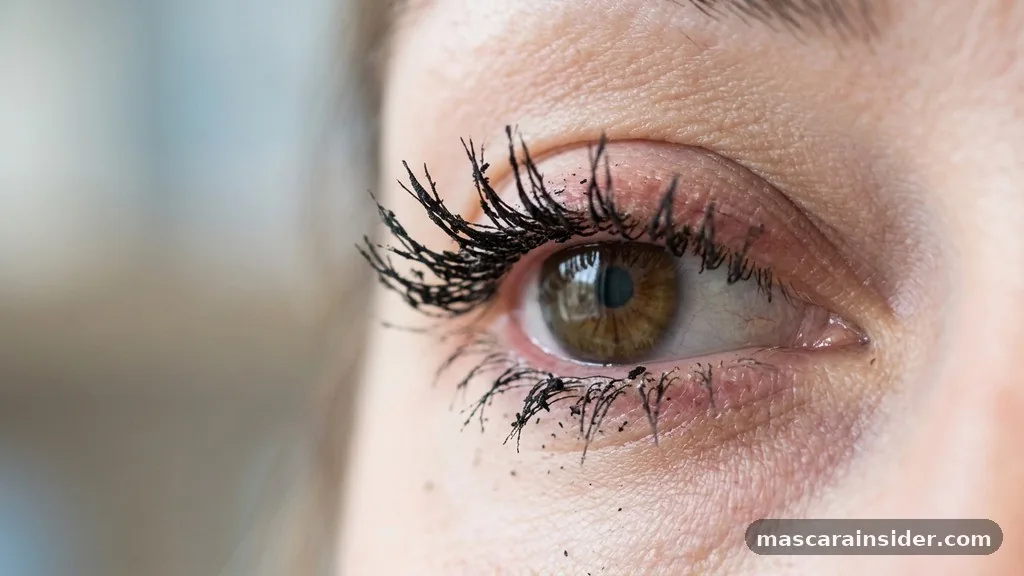
Skipping your nightly cleansing routine might seem harmless after a long, exhausting day, but wondering if it is bad to sleep in mascara is a valid concern for anyone prioritizing their ocular health. Leaving cosmetic pigments on your lashes overnight prevents your skin from breathing and creates a breeding ground for unwanted complications.
Beyond the simple inconvenience of raccoon eyes in the morning, failing to remove these products can lead to significant physical distress and long-term damage to your delicate lash follicles. Understanding the mechanics of why this habit is detrimental helps you appreciate the necessity of consistent skincare rituals for maintaining vibrant, healthy eyes.
The Impact of Mascara on Eyelash Health
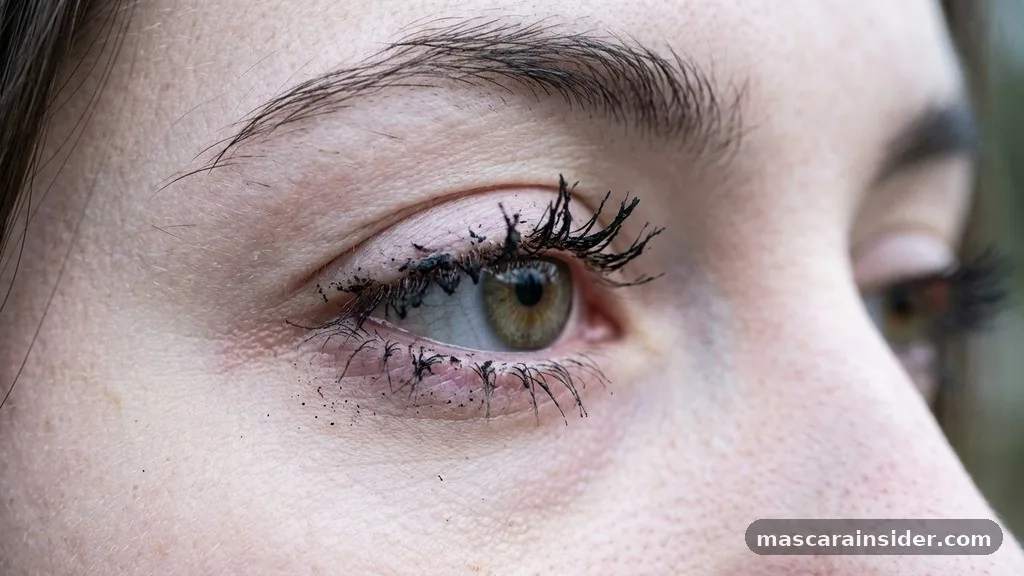
When you leave mascara on overnight, you essentially trap your natural lashes in a rigid, brittle coating. Mascara formulas contain waxes, pigments, and polymers designed to hold a shape, but these ingredients dry out over several hours.
During sleep, tossing and turning causes friction against your pillowcase, which places stress on the hardened lashes. Because they are stiffened by the product, they are far more likely to snap rather than bend, leading to eyelash breakage.
Consistent neglect of eyelash hygiene effectively turns your nighttime beauty routine into a source of mechanical damage. Over time, this constant trauma thins out your lash line and weakens the hair structure.
If you frequently rely on waterproof mascara, the situation worsens, as these formulas are notoriously difficult to remove without thorough cleansing. They adhere tightly to the hair shaft, and sleeping in them essentially cements the product to your lashes, making morning removal even more aggressive and damaging to the follicle.
Risk Factors for Ocular Irritation and Infection
The skin around your eyes is exceptionally thin and sensitive, making it highly reactive to external irritants. When you leave makeup on, particles can flake off and migrate into the tear film.
This migration often triggers ocular irritation, characterized by redness, itching, and a persistent gritty sensation. Your eyes naturally attempt to flush out these foreign bodies, which can result in watery, inflamed tissues by the time you wake up.
Beyond simple irritation, the presence of old, crusty makeup creates a perfect environment for bacterial growth. Mascara wands and the product itself can harbor microbes that thrive in the dark, moist atmosphere of the eye area.
When you don’t perform proper makeup removal, you increase the likelihood of developing conditions like conjunctivitis or styes. The following table outlines the potential risks associated with leaving eye makeup on overnight:
| Condition | Primary Cause | Common Symptom |
|---|---|---|
| Follicle Clogging | Product buildup | Inflammation |
| Conjunctivitis | Bacterial transfer | Redness and discharge |
| Corneal Abrasion | Flaking particles | Sharp pain |
Why Your Meibomian Glands Need a Clean Slate
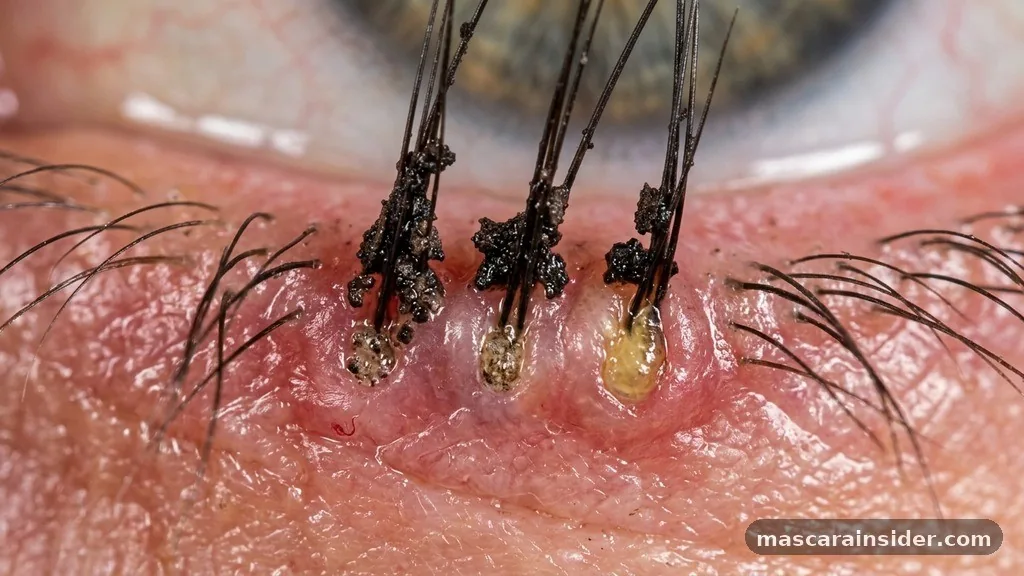
Your eyelids house tiny structures known as meibomian glands, which play a critical role in your overall dermatological health. These glands secrete oils that prevent your tears from evaporating too quickly, keeping your eyes lubricated and comfortable.
When you fail to wash away your mascara, the residue can migrate into the lash line and physically block these gland openings. This blockage prevents the necessary oil flow, which is a leading cause of dry eye syndrome.
Chronic blockage of these glands can eventually lead to blepharitis, an inflammatory condition of the eyelid margins. Symptoms often include crusty debris, persistent itching, and a heavy, tired feeling in the eyes.
By ignoring the need to remove your makeup, you aren’t just dealing with a cosmetic issue; you are actively interfering with the physiological processes that protect your vision. Allowing your skin to undergo its natural nocturnal skin repair requires a surface free of synthetic pigments and drying agents.
Addressing Common Myths and Practical Solutions
Many people mistakenly believe that sleeping in makeup is only a problem if they wear heavy layers or full-face foundation. However, even a light coat of mascara can cause significant issues when left on for eight hours or more. If you find the process of cleansing tedious, you might be using the wrong tools.
Switching to a high-quality oil-based cleanser can make a massive difference. These products dissolve stubborn pigments effortlessly, allowing you to wipe away the day without scrubbing at your delicate skin or pulling on your lashes.
Some individuals worry that frequent washing causes more damage, but the opposite is true. Clean skin is resilient, while skin burdened by residue is prone to inflammation and premature aging. If you have concerns about your current routine, consider the following best practices for maintaining healthy lashes:
- Always use a gentle, fragrance-free cleanser specifically formulated for the eye area.
- Avoid rubbing your eyes; instead, hold a saturated cotton pad over the lid for thirty seconds to break down the mascara.
- Replace your mascara every three months to minimize the risk of bacterial contamination.
- Incorporate a hydrating lash serum to nourish the follicles after cleansing.
- If you wear lash extensions, be extra vigilant about using oil-free removers to avoid lash extension damage.
Addressing Topical Gaps: Can You Ever Sleep in Mascara?
A common question is whether there is ever an exception to the rule. Scientifically, there is no “safe” mascara for overnight wear. While some brands market “nourishing” formulas, these products still contain synthetic polymers and pigments that solidify on the hair.
Leaving any substance on the eyelid margin interrupts the natural shedding of skin cells and the secretion of oils from the meibomian glands. If you are tempted to sleep in makeup, prioritize your long-term eye health over the temporary aesthetic of waking up with defined lashes. The risk of developing a serious infection or permanent follicular damage far outweighs the minor convenience of saving a few minutes at night.
Conclusion
Protecting your vision and the health of your eyelids starts with simple, consistent habits. Is it bad to sleep in mascara? Yes, it is fundamentally detrimental to your ocular surface, your lash health, and the function of your eyelid glands.
By committing to a thorough cleansing routine every night, you remove the barriers that cause irritation, breakage, and bacterial buildup. Investing in a quality cleanser and taking the extra minute to properly remove your makeup ensures your lashes remain strong and your eyes stay clear.
Your nightly routine is more than a beauty chore; it is an essential part of maintaining your overall well-being. Make it a point to start tonight, and your eyes will certainly thank you for the extra care.
Is it bad to sleep in mascara every night?
Yes, it causes chronic irritation, eyelash breakage, and significantly increases the risk of bacterial eye infections.
Can sleeping in mascara cause permanent lash loss?
Over time, the constant stress and follicle clogging can lead to thinning and permanent damage to your lashes.
What is the best way to remove stubborn waterproof mascara?
Use an oil-based cleanser or a dedicated bi-phase makeup remover to gently dissolve the product without scrubbing.
Does sleeping in makeup really lead to eye infections?
Yes, as mascara residue can trap bacteria against the eyelid, potentially leading to conditions like conjunctivitis and blepharitis.
How often should I replace my mascara to avoid bacteria?
You should replace your mascara every three months to prevent the buildup of harmful bacteria within the tube.
Can I use baby shampoo to clean my lashes?
Yes, diluted baby shampoo is often recommended by dermatologists for gentle, effective eyelid cleaning to prevent gland blockage.
What should I do if I wake up with irritated eyes from mascara?
Gently cleanse the area with a mild, oil-free cleanser and apply a warm compress to soothe the inflammation.


