

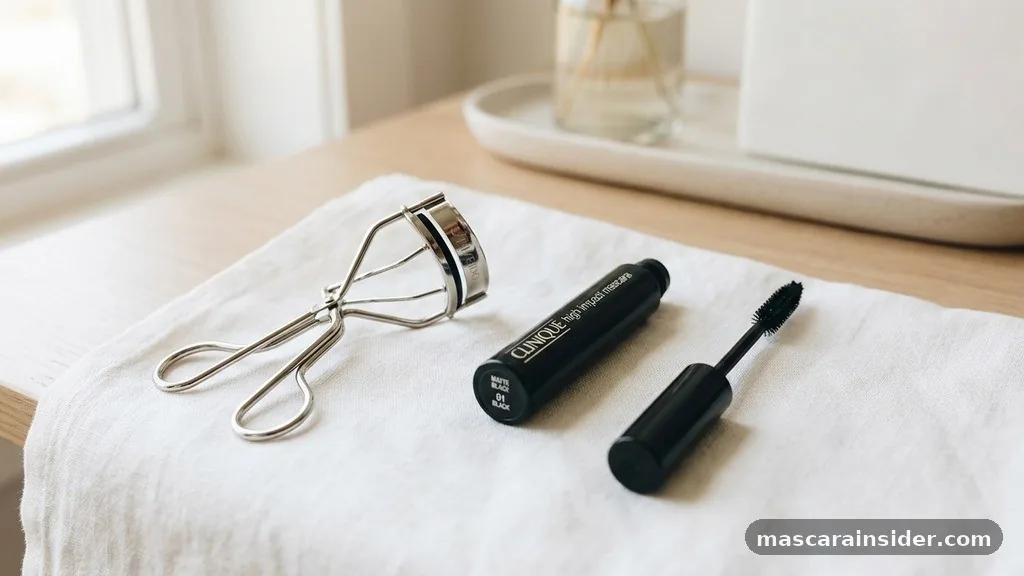
Mastering the art of applying mascara transforms your eyes by adding instant definition, length, and volume. While it often seems like a simple task, learning how to do mascara effectively involves specific techniques that prevent clumping and ensure a long-lasting, professional finish.
Whether you are aiming for a natural look for the office or dramatic, fluttery lashes for a night out, the secret lies in your preparation and the motion of your hand. By focusing on your lash roots and using the right tools, you can avoid common pitfalls like smudging or uneven application, resulting in a clean, wide-eyed appearance that lasts throughout the day.
Essential Preparation for Flawless Application
Achieving a clump-free application starts long before the product touches your lashes. Many people overlook the importance of a clean base, but oily residue on the eyelids can quickly lead to an eyelid smudge by midday.
Start by ensuring your eyelids are free of excess moisturizer or heavy eye creams. If you have oily skin, a light dusting of translucent powder or a dedicated makeup primer on the lid can act as a barrier, keeping your makeup in place.
Next, consider the condition of your tools. A clean spoolie brush is an invaluable asset for grooming lashes before and after application. If your previous mascara has dried onto your lashes, run a clean spoolie through them to ensure they are separated and free of debris.
This small step prevents the “spidery” look that occurs when fresh product is applied over old, flaky layers. Additionally, always check your mascara expiration date.
Using a product that is past its prime not only ruins your look but also risks eye irritation. Most formulas should be replaced every three months to maintain cosmetic hygiene and product integrity.
Mastering the Application Technique
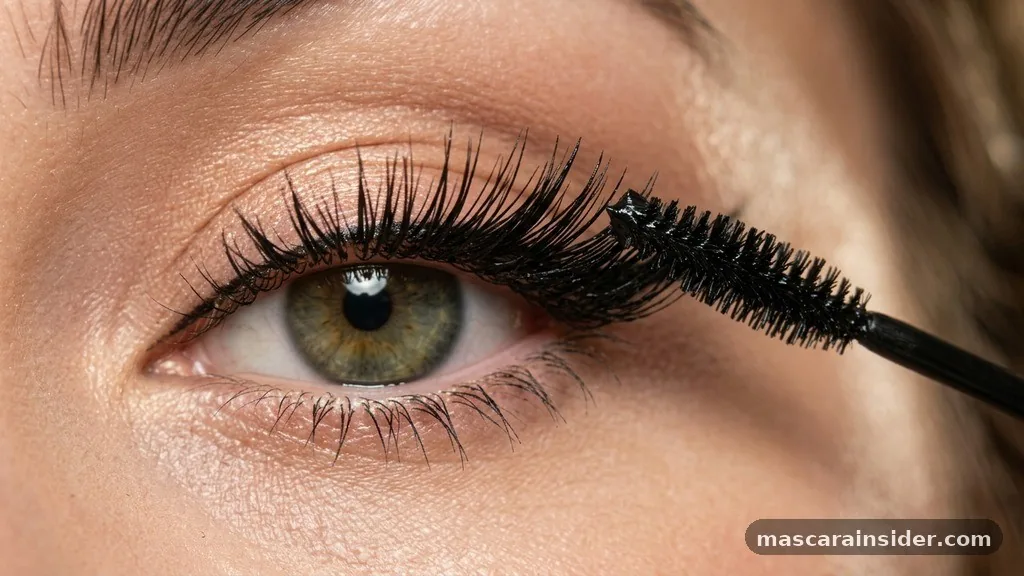
The physical motion of the mascara wand is the most critical factor in achieving your desired volume. To begin, place the wand at the very base of your upper lashes. This root-to-tip application is essential because it deposits the most product where you need it most—at the base—creating the illusion of thicker, fuller lashes.
As you pull the wand upward, incorporate a gentle zigzag motion. This side-to-side movement helps to coat each individual lash from multiple angles and ensures optimal lash separation.
Many beginners make the mistake of pumping the wand inside the tube to get more product. Avoid this habit, as it forces air into the tube, causing the formula to dry out prematurely and potentially introducing bacteria. Instead, gently swirl the wand inside the tube to pick up the desired amount of product.
If you find you have too much mascara on the bristles, wipe the excess off on the rim of the tube or a clean tissue before applying. This control is the key to preventing heavy, clumpy deposits that weigh down your lashes and cause them to droop.
Advanced Methods for Specific Lash Goals
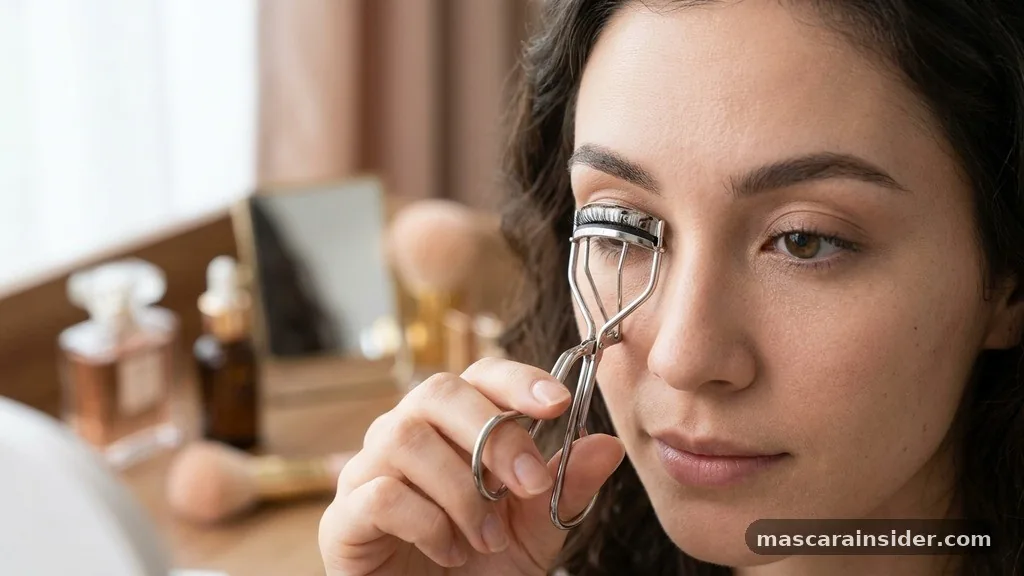
Different lash goals require different approaches, and understanding your specific needs can elevate your routine. If you struggle with lashes that point downward, an eyelash curler is non-negotiable. Use it on clean, dry lashes before applying any product.
Gently press the curler at the base of your lashes and hold for five to ten seconds, then pulse it once or twice moving toward the tips. Never curl your lashes after the mascara has dried, as this can cause them to become brittle and snap.
For those seeking specific effects, consider the type of formula you choose:
- Tubing mascara: Uses polymers to wrap around each lash, making it ideal for those prone to smudging.
- Fiber mascara: Contains tiny synthetic fibers that adhere to your natural lashes to add significant length.
- Waterproof mascara: Best for humid environments or long events, though it requires an oil-based remover to clean thoroughly.
- Volumizing formulas: Feature thicker bristles designed to hold more product for a bold, dense appearance.
When working on the lower lash line, you need to exercise extra caution. To avoid smudging, look down into a mirror while you apply the product to your lower lashes.
If your wand is too large, consider using a fan brush or holding a small piece of tissue beneath your lashes to catch any stray droplets. Applying a thinner coat to the bottom lashes keeps the look balanced and prevents your eyes from appearing weighed down.
Comparing Mascara Formulas and Effects
Choosing the right product is just as important as the technique you use. The following table highlights the differences between common mascara types to help you decide which is best for your daily needs.
| Mascara Type | Primary Benefit | Best For |
|---|---|---|
| Volumizing | Thickens lash appearance | Sparse or thin lashes |
| Lengthening | Extends lash tips | Short, stubby lashes |
| Waterproof | Resists moisture and oils | Active days or humid climates |
| Tubing | Smudge-proof removal | Oily lids and contact lens wearers |
Understanding these distinctions allows you to tailor your routine to your environment and desired aesthetic. If you have sensitive eyes, look for ophthalmologist-tested formulas that are free of harsh fragrances or parabens. Regardless of the type you select, remember that layering is possible, but it should be done while the first coat is still slightly damp.
If you wait until the mascara is completely dry, adding a second coat will almost certainly result in clumps. By working in sections and focusing on the root, you maintain control over the intensity of your look.
Conclusion
Perfecting how to do mascara is a journey of trial and error, but once you find the rhythm that suits your eye shape and lash texture, it becomes a effortless part of your morning. Remember to prioritize the health of your eyes by keeping your tools clean and replacing your products regularly. By utilizing the zigzag technique and focusing on the roots, you create a foundation that supports length and volume without the dreaded clumping.
Whether you prefer a subtle, everyday enhancement or a bold, dramatic flair, consistent practice will lead to confident results. Feel free to experiment with different wand shapes and formulas to discover your signature lash look, and enjoy the confidence that comes with a well-defined gaze.
FAQ
How do I prevent mascara from smudging on my eyelids?
Apply a light layer of powder or primer to your eyelids to absorb excess oil before application.
Should I use an eyelash curler before or after mascara?
Always use an eyelash curler before applying mascara to avoid damaging or breaking your delicate lashes.
How often should I replace my mascara?
For safety and hygiene, you should replace your mascara every three months to prevent bacterial growth.
What is the best way to remove waterproof mascara?
Use a dedicated oil-based makeup remover or micellar water designed for waterproof formulas to dissolve the wax.
Can I apply mascara to my lower lashes?
Yes, applying mascara to lower lashes adds balance, but use a lighter hand to prevent smudging.
How do I fix clumpy lashes?
Immediately run a clean, dry spoolie brush through your lashes while the mascara is still wet.
Is it okay to pump the mascara wand?
No, pumping the wand introduces air into the tube, which dries out the formula and encourages bacteria.


