

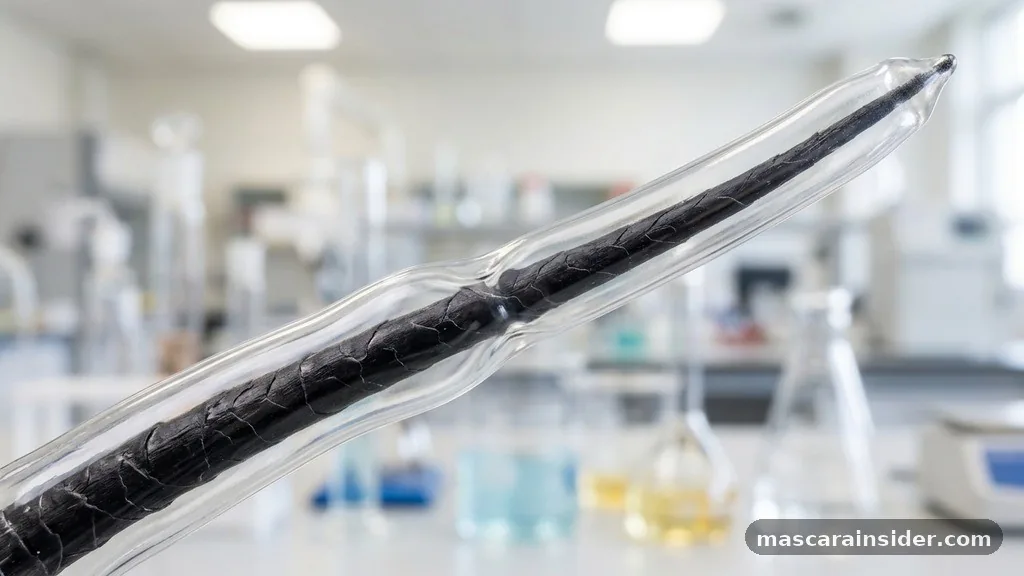
Many beauty enthusiasts wonder how does tubing mascara work when they notice it stays perfectly in place all day but slides off effortlessly at night. Unlike traditional oil-based formulas that paint pigment onto your lashes, this innovative product uses advanced chemistry to create tiny, water-resistant sheaths around each individual hair. Understanding the mechanism behind this unique lash wrapping technique helps you decide if it fits your daily routine.
By shifting away from waxes and oils, these formulas provide a clean, smudge-proof finish that avoids the raccoon-eye effect common with standard products. Here is the technical breakdown of the science behind these high-performance tubes.
The Chemistry of Polymer Film-Forming Technology
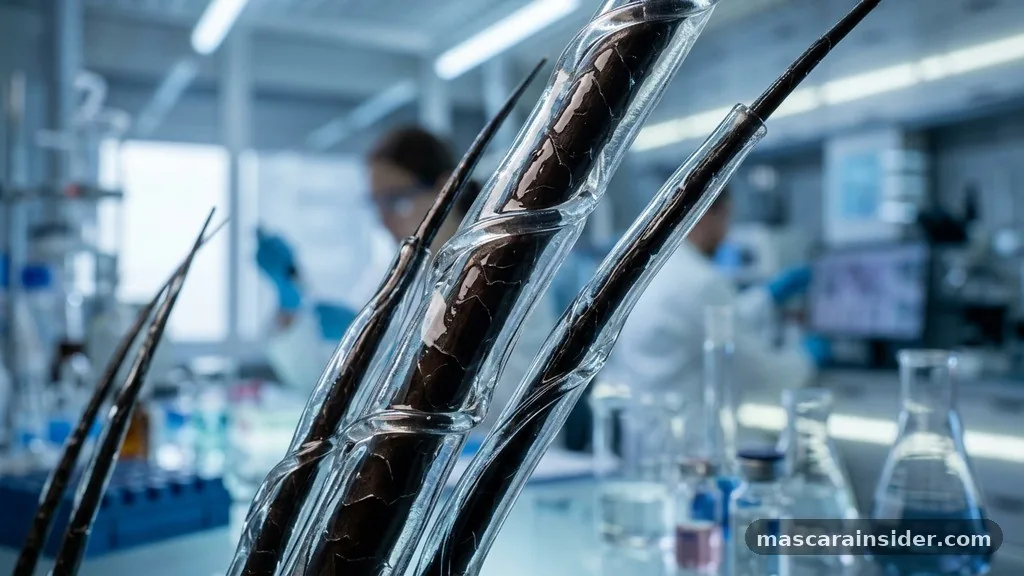
At the core of these products lies sophisticated polymer film-forming technology. Instead of relying on heavy waxes that soften when exposed to natural oils, manufacturers use specific acrylic copolymers that dry into a solid, flexible net. When you apply the product, these polymers form a cohesive, tubular coating that physically wraps around the entire circumference of the lash.
Because these polymers are designed to be stable at body temperature, they don’t melt or migrate when you blink or sweat. This is why the formula is inherently smudge-proof and resistant to the natural sebum produced by your skin throughout the day.
The structural integrity of these tubes allows for a distinct lash extension effect, as the formula can build length beyond the natural tip of your lash without adding the heavy, wet weight of traditional pigments. Because the technology relies on a fiber-free formula, you won’t experience the fallout or irritation often associated with lash-extending mascaras that use physical nylon or rayon particles.
The polymers effectively seal the lash in a protective sleeve, creating a barrier that remains rigid until it encounters a specific solvent. This chemical stability is what makes the product so reliable for people who struggle with mascara flaking or bleeding during long workdays.
Understanding the Warm Water Removal Mechanism
The most fascinating aspect of these products is the makeup removal process, which relies on a simple physical reaction rather than chemical breakdown. Because the tubular coating is formulated to be water-resistant but not waterproof, it stays intact against moisture like rain or humidity. However, the polymers have a specific affinity for heat.
When you apply warm water and gentle pressure, the bonds within the polymer film soften and lose their grip on the lash. This allows the tubes to slide off the lash in one clean piece, leaving no pigment residue behind on your skin.
This mechanism is a significant departure from traditional oil-based removers, which often require harsh rubbing that can damage delicate lashes. By using a warm water removal method, you significantly reduce the mechanical stress placed on the eyelid area. You simply saturate your lashes with lukewarm water, let them soak for a few seconds, and gently slide the tubes off with your fingertips or a damp cloth.
This process is particularly beneficial for those who find that standard makeup removers leave their eyes feeling oily or sensitive. It effectively eliminates the need for cotton pads and aggressive cleansing agents, preserving the health of your natural lash line over time.
Benefits for Sensitive Eyes and Lash Health

Many people who suffer from sensitive eyes or wear contact lenses find that traditional formulas cause irritation or allergic reactions. Because these mascaras are often ophthalmologist tested and generally hypoallergenic, they are a safer choice for those prone to discomfort.
The lack of heavy oils and waxes means there is less risk of the product migrating into the tear duct or creating a buildup that could harbor bacteria. Furthermore, the clumping prevention provided by the smooth, polymer-based application ensures that lashes remain separated and soft rather than brittle and glued together.
Using this type of mascara also encourages better hygiene, as the removal process is so thorough that no residual product is left behind to clog hair follicles. When you compare the performance of different lash-enhancing products, the stability of the tubing formula stands out in various environmental conditions. Below is a comparison of how different mascara types perform against common beauty concerns:
| Feature | Traditional Mascara | Tubing Mascara |
|---|---|---|
| Removal Method | Oil-based cleanser | Warm water |
| Smudge Resistance | Low to Medium | High |
| Irritation Risk | Higher (due to oils) | Lower (hypoallergenic) |
| Lash Weight | Heavy (waxes) | Light (polymers) |
Mastering the Proper Application Technique
While the product is highly effective, the mascara application technique differs slightly from what you might be used to with standard wands. Because the formula needs time to set its structural net around the lash, you should avoid multiple heavy coats while the product is still wet. If you layer too quickly, you risk pulling the initial tubes off or creating an uneven texture.
Instead, apply one coat, let it dry for thirty seconds, and then apply a second coat if more length is desired. This allows the acrylic copolymers to lock into place, ensuring the integrity of the tubes remains intact.
To achieve the best results, start at the base of your lashes and wiggle the wand slightly before pulling it through to the ends. This ensures the base of the lash is fully coated, which is essential for the tubes to stay anchored. You will notice that the formula grips the lash differently than traditional, creamy mascaras, providing a cleaner, more defined look.
If you do make a mistake during application, wait for the product to dry completely before attempting to remove it. Once dry, a simple flick with a clean spoolie will remove any stray marks without staining your eyelid, which is a major advantage for busy mornings.
Addressing Common Topical Gaps
A common point of confusion is whether this product is truly “waterproof.” While it is water-resistant, it is not technically waterproof because it will slide off when exposed to warm water and friction. If you are going swimming or expect to be submerged in water, a traditional oil-based waterproof formula might provide more stability.
However, for everyday wear, including light rain or crying, the tubing formula is highly resilient. Another frequently asked question concerns the potential for lash breakage. Because the removal process involves sliding the tubes off rather than dissolving them, there is virtually no risk of lash loss, provided you use enough warm water to soften the polymers before pulling.
* Always use warm, not boiling, water for the easiest removal.
* Avoid using oil-based eye makeup removers, as they are ineffective against polymer tubes.
* Store your tube tightly closed to prevent the polymers from drying out prematurely.
* If you have very short lashes, focus on the base to ensure the tubes have enough surface area to grip.
* Consider using a lash primer if you want extra volume, though this may change the removal profile.
Conclusion
Understanding the mechanics of tubing mascara empowers you to make better choices for your eye health and beauty routine. By utilizing advanced polymers to create a protective, water-resistant sheath, these products offer a unique solution to the age-old problem of smudging and flaking. The process of gentle, warm-water removal ensures that your lashes remain healthy and free from the stress of harsh cleaning agents.
Whether you have sensitive eyes or simply desire a long-lasting look that stays pristine from morning to night, this technology provides a reliable and effective alternative to conventional cosmetics. Exploring these benefits can help you transition to a more efficient and comfortable makeup regimen that prioritizes both style and lash integrity every single day.
Is tubing mascara better for your eyelashes?
It is generally gentler because the removal process avoids harsh rubbing, which protects lashes from premature breakage.
Does tubing mascara come off when you cry?
It typically stays intact during light moisture, but heavy tears combined with rubbing can cause the tubes to slide.
Can you use oil-based makeup remover with tubing mascara?
No, oil-based removers are ineffective because the polymers require warm water and physical pressure to break down.
Is tubing mascara considered waterproof?
It is water-resistant, but it is not waterproof, as it is specifically designed to dissolve in warm water.
Does tubing mascara work better for volume or length?
It is primarily favored for its lengthening capabilities and smudge-proof wear rather than adding significant lash volume.
Can people with sensitive eyes use tubing mascara?
Yes, it is often recommended for sensitive eyes because it is typically hypoallergenic and free from irritating oils.
How do you know if a mascara is a tubing formula?
Check the label for ingredients like acrylates copolymer; if it requires only warm water for removal, it is tubing.


