

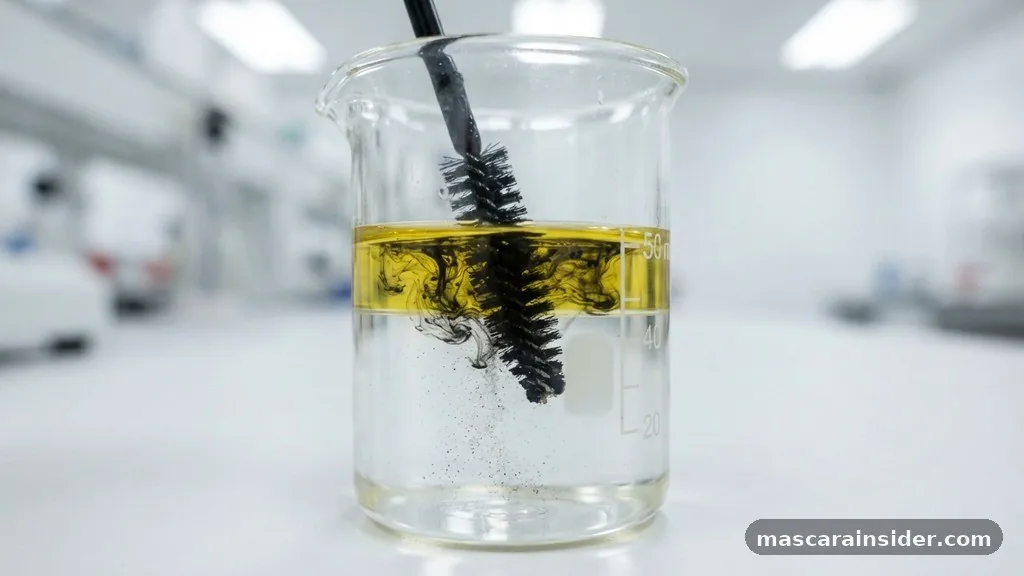
Finding the right method for removing stubborn eye makeup is essential for maintaining healthy, long-lasting lashes. Many people struggle to find what takes off waterproof mascara without causing irritation or leaving behind unwanted debris.
Whether you prefer store-bought solutions or natural alternatives, understanding the chemistry behind these products ensures you can clean your face thoroughly while protecting your delicate eye area. This information helps you select a routine that keeps your skin clear and your lashes strong.
Understanding the Chemistry of Waterproof Mascara
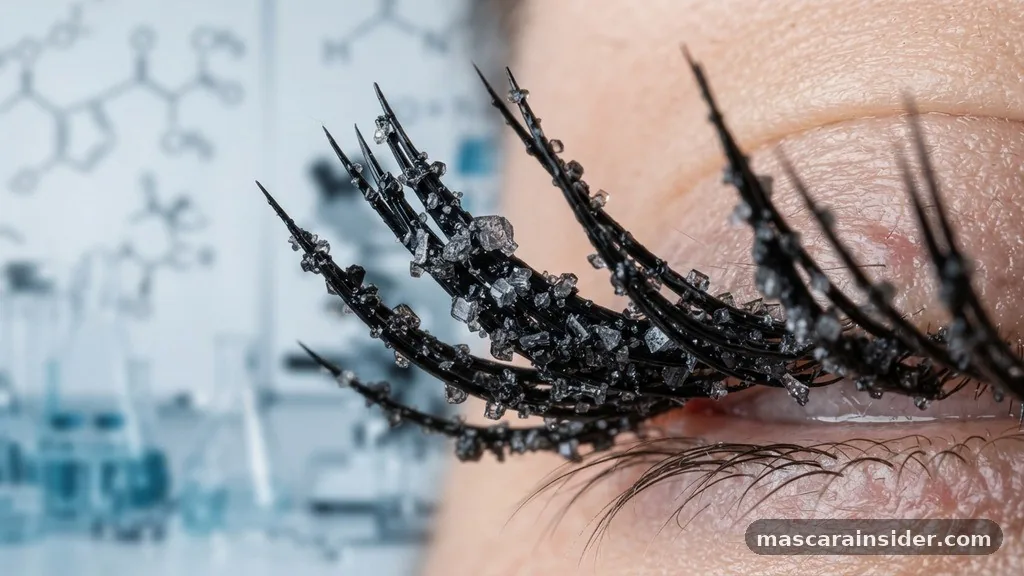
Waterproof mascara is designed to resist water, sweat, and humidity, which makes it incredibly durable throughout the day. To achieve this, manufacturers incorporate hydrophobic ingredients like waxes, silicones, and film-forming polymers.
These substances create a protective barrier around each lash, preventing the formula from smearing or flaking when exposed to moisture. Because water alone cannot dissolve these materials, you need a solvent to break the bonds effectively.
The primary mechanism for removal is emulsification. This process occurs when an oil-based substance interacts with the wax-heavy formula of your mascara, allowing it to lift away from the lash hair.
Without this oil-based interaction, you are likely to experience gentle rubbing that fails to remove the product, leading to unnecessary tugging on your eyelids. By selecting the right solvent, you bypass the friction that causes premature lash breakage and skin sensitivity.
The Efficacy of Biphase Makeup Removers
A biphase makeup remover is specifically engineered to tackle high-performance eye products. These solutions consist of two distinct layers: an oil phase and a water phase. When you shake the bottle, the two layers combine temporarily, creating a potent mixture that dissolves stubborn waterproof polymers while simultaneously soothing the skin with the water-based component.
To use these effectively, dampen a cotton pad with the solution and hold it against your closed eyelid for ten to fifteen seconds. This waiting period is critical because it allows the oil to penetrate the mascara layers.
Once the product has softened, you can gently swipe downwards to remove the debris. This method is highly efficient because it minimizes the need for repeated scrubbing, which is often the primary cause of irritation in the eye area.
Benefits of Using a Cleansing Balm
A cleansing balm has become a staple in modern skincare routines because it transforms from a solid butter into a silky oil upon contact with warm skin. Balms are particularly effective for those who wear heavy eye makeup because they provide enough slip to massage the product off without pulling the skin. Because they are thick, they don’t drip into your eyes like thinner liquid removers, making the experience more comfortable.
When using a balm, apply a small amount to dry skin and focus on your lash line. Use your fingertips to gently massage the product in circular motions. You will notice the mascara beginning to loosen and mix with the balm.
Once the pigment is fully broken down, add a splash of warm water to emulsify the formula, turning it into a milky texture that rinses off easily. This dual-action approach ensures no stubborn residue remains on your lash roots.
Natural Oils as Effective Alternatives
Many people look for natural ways to clean their eyes and often wonder what takes off waterproof mascara when they run out of commercial products. Coconut oil, jojoba oil, and almond oil are excellent choices for dissolving wax-based formulas. These natural oils are lipophilic, meaning they bond easily with the oils in your makeup, effectively loosening the grip of the waterproof coating.
To use these oils, apply a tiny amount to your clean fingertips or a soft cloth. Gently massage the lashes and let the oil sit for a minute.
The natural fats help nourish the hair, which is a major bonus for eyelash health. After the mascara is dissolved, you must follow up with a mild face wash to ensure all excess oil is removed from your pores, preventing potential breakouts or milia around the eyes.
Addressing Topical Gaps: Why Some Methods Fail

One common frustration is when a product seems to “not work,” even though it is labeled for waterproof makeup. Often, this isn’t a failure of the product but a failure of technique.
Many users apply a micellar water designed for face makeup and expect it to handle high-pigment waterproof mascara instantly. Standard micellar water lacks the high oil concentration necessary to dissolve silicone-based waterproof polymers, leading to a frustrating experience.
Another gap in knowledge involves the importance of the cleansing cloth or pad. Using a dry, abrasive tissue to wipe your eyes is a recipe for disaster. You need a soft, absorbent material that can hold the solvent against the lashes for an extended duration.
Furthermore, failing to remove the final traces of mascara can lead to clogged hair follicles. Always perform a second cleanse with an oil-based cleanser if you feel like your lashes still look “heavy” or clumped after your first attempt.
Comparing Common Removal Methods
Choosing the right tool depends on your skin type and the specific brand of mascara you use. The following table compares the most common methods to help you decide which is best for your nightly routine.
| Method | Best For | Key Benefit |
|---|---|---|
| Biphase Remover | Heavy Waterproof Makeup | Rapid dissolution of polymers |
| Cleansing Balm | Sensitive Skin | Zero friction, nourishing |
| Natural Oils | Dry Skin/Natural Routine | Affordable, lash conditioning |
| Micellar Water | Light Makeup/Quick Cleans | Convenience, no rinsing |
The Dangers of Improper Removal
Neglecting to remove waterproof mascara properly has long-term consequences for your eyes. When residual makeup stays on the lashes, it hardens over time, making the lashes brittle and prone to breakage. Chronic buildup can also lead to blepharitis, an inflammation of the eyelid that causes redness, itching, and crusting at the base of the lashes.
Furthermore, rubbing your eyes aggressively is never the answer. The skin around your eyes is the thinnest on your body, and constant mechanical stress can lead to fine lines, sagging, and broken capillaries.
When you discover what takes off waterproof mascara safely, you are not just cleaning your face; you are actively preserving the elasticity of your eye area. Always prioritize gentle motions and allow the product to do the heavy lifting for you.
Integrating Oils into Your Routine
If you decide to use oils like petroleum jelly or plant-based alternatives, you must be careful with hygiene. Never double-dip your fingers into a jar if you are using it for your eyes; use a clean spatula or a cotton swab instead. This prevents the introduction of bacteria into the container, which could lead to eye infections.
When using oils, you might find that they leave a temporary “foggy” sensation in your vision. This is normal and happens when a small amount of oil gets into the tear film.
It will dissipate quickly, but if it bothers you, consider switching to a dedicated cleansing balm that is ophthalmologically tested to be non-irritating to the eyes. The goal is to balance efficiency with comfort so that you don’t dread the makeup removal process at the end of a long day.
Tips for Maintaining Eyelash Health
Your lashes go through a lot, from curling and heat styling to the application of heavy waterproof formulas. To keep them healthy, treat the removal process as a spa treatment rather than a chore.
After the mascara is removed, consider applying a lash serum or a drop of castor oil to the lash line. These treatments help hydrate the hair follicles and prevent the dryness that often follows heavy makeup use.
* Always remove makeup before you go to sleep to allow lashes to recover.
* Avoid using makeup wipes exclusively, as they often require too much pulling.
* Use a clean, soft cloth for the final rinse to ensure no debris is left behind.
* Replace your mascara every three months to prevent bacterial growth in the tube.
* Keep your movements focused on the roots, not just the tips of the lashes.
Conclusion
Mastering the art of removal is just as important as choosing the right cosmetic products. When you know exactly what takes off waterproof mascara, you save yourself from the frustration of morning raccoon eyes and the long-term damage caused by harsh scrubbing. Whether you opt for a specialized biphase formula, a luxurious cleansing balm, or a simple natural oil, the key is patience and proper technique.
By allowing your chosen product time to break down the waterproof barrier, you protect your delicate eye area and ensure your lashes remain healthy and strong. If you have been struggling with stubborn formulas, try switching your approach tonight by letting the solvent sit before you swipe. Your skin and your lashes will surely thank you for the extra care.
What can I use instead of waterproof mascara remover?
You can use a cleansing balm, jojoba oil, almond oil, or even a small amount of petroleum jelly.
Does Vaseline take off waterproof mascara?
Yes, petroleum jelly effectively dissolves the wax in waterproof mascara, though it requires a thorough follow-up cleanse.
How to remove waterproof mascara naturally?
Use coconut oil or almond oil to gently break down the formula before wiping it away with water.
Why won’t my waterproof mascara come off?
You are likely using a water-based product; you need an oil-based cleanser to dissolve the waterproof polymers.
Does micellar water remove waterproof mascara?
Only if the micellar water is specifically formulated as a biphase solution containing an oil-based component.
Is it bad to leave mascara on overnight?
Yes, it causes lash breakage, irritation, and potential eye infections due to trapped bacteria and hardened formula.
How do I stop lash breakage during removal?
Avoid gentle rubbing or tugging; use an oil-based product to dissolve the mascara completely before rinsing.


