

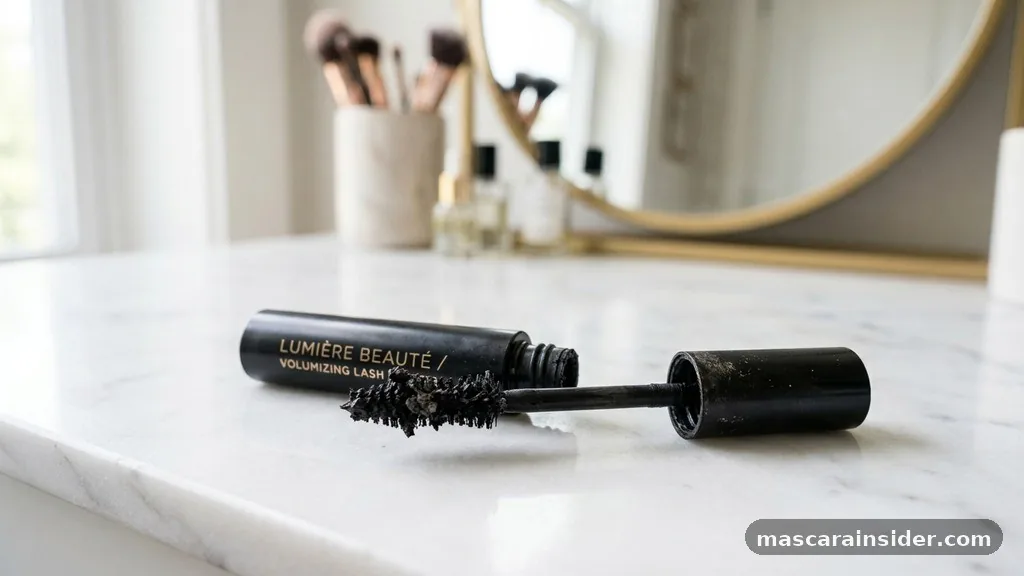
Dealing with a tube of your favorite lash product that has suddenly turned tacky or clumpy is a common frustration for anyone who wears makeup. You don’t necessarily need to toss your tube the moment the texture shifts, as learning how to fix dry mascara can often buy you a few extra weeks of use.
Whether your formula has thickened due to air exposure or temperature changes, there are several gentle ways to restore its original consistency. By understanding the chemical balance of your product, you can safely extend its life without compromising your eye health or the quality of your makeup application.
Understanding Why Mascara Dries Out
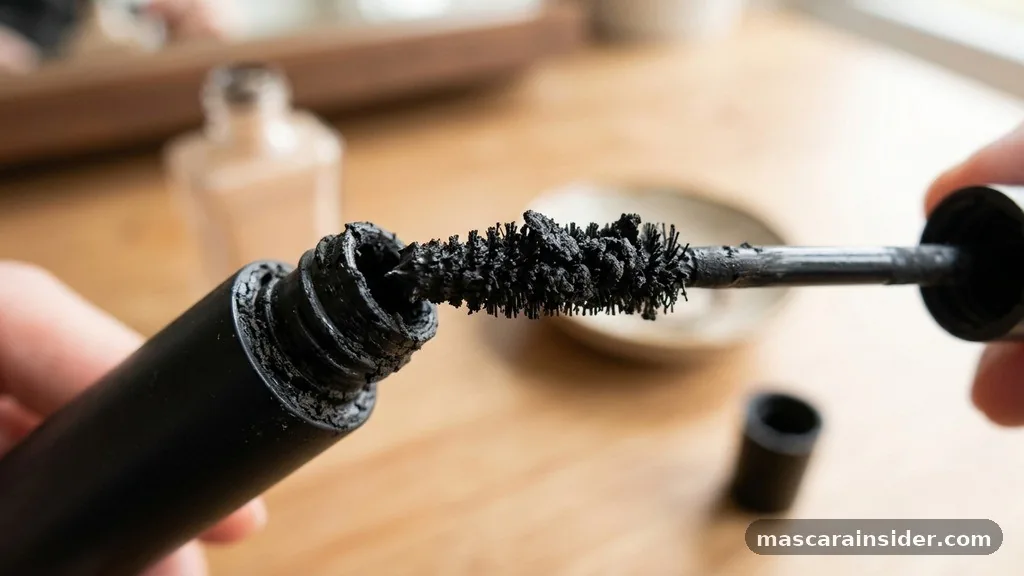
Mascara formulas are carefully engineered emulsions designed to glide onto lashes smoothly. When the tube is opened repeatedly, air enters the container, causing the volatile solvents in the formula to evaporate. This evaporation increases the viscosity of the product, leading to the dreaded clumping that makes lashes look spidery rather than defined.
Frequent pumping of the mascara wand inside the tube is the primary culprit, as it forces extra air into the chamber and accelerates the drying process. Temperature fluctuations, such as leaving your makeup bag in a hot car or a humid bathroom, can also destabilize the emulsion, causing the ingredients to separate or thicken prematurely.
The Hot Water Bath Technique
The most effective and safest method for thinning out a slightly thickened formula is the hot water bath. This process relies on gentle heat to soften the waxes and oils inside the tube, returning the product to a fluid state without introducing foreign substances. To perform this, fill a small mug with hot—not boiling—water and place your sealed mascara tube inside it for about three to five minutes.
The heat helps melt the dried product clinging to the sides of the wand and the interior walls of the tube. Once warmed, remove the tube, wipe it down, and swirl the wand inside to redistribute the softened formula before applying it to your lashes.
Using Saline Solution or Eye Drops
If heat alone isn’t enough to restore the texture, you can introduce a few drops of sterile saline solution or lubricating eye drops to the tube. These liquids are designed to be safe for the eyes, making them a much better choice than tap water, which can introduce harmful bacteria. Add only two or three drops at a time to avoid turning the product into a runny mess.
After adding the drops, insert the wand and stir gently, using a circular motion to incorporate the liquid. Be careful not to pump the wand, as this will introduce more air and eventually lead to further drying.
When to Avoid Micellar Water or Oils
While many online hacks suggest using micellar water, coconut oil, or baby oil to thin out makeup, these additions can be problematic. Oil-based makeup remover or natural oils can break down the very polymers that make your mascara stay put, leading to smudging and running throughout the day. Furthermore, introducing food-grade oils or water-based cleansers into a tube can disrupt the product’s preservative system, creating an environment where mold and bacteria can thrive. If you must use a liquid additive, stick strictly to sterile saline or specific makeup-thinning drops formulated for cosmetic use to ensure the safety of your eyes.
Identifying the Signs of Expiration
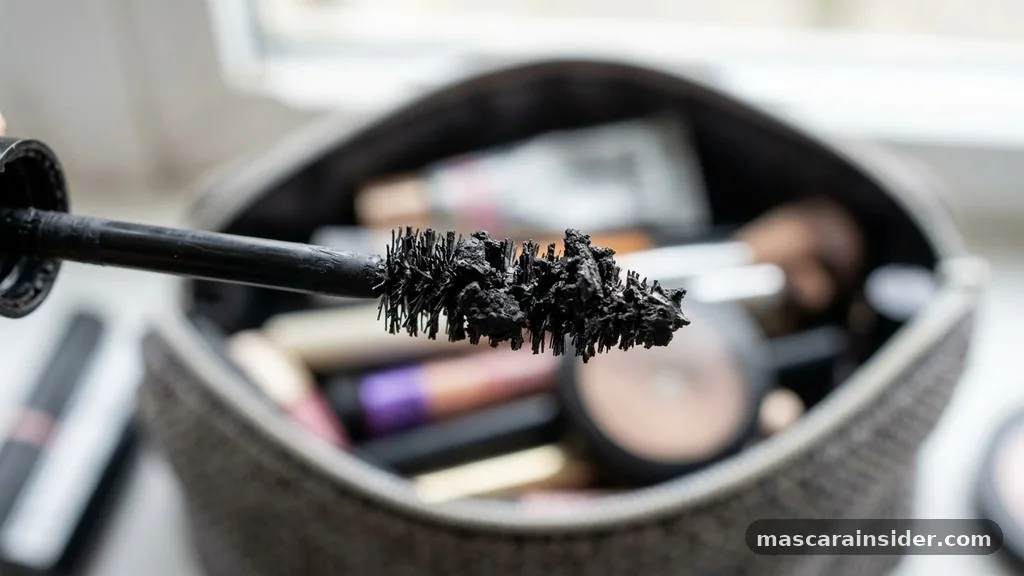
Even if you successfully revive a formula, you must be aware of its expiration date. Most manufacturers recommend replacing your mascara every three months to minimize the risk of bacterial growth and eye infections. If your mascara has developed an off-putting smell, changed color, or causes irritation when applied, it is past the point of rescue.
Using expired eye makeup can lead to styes, conjunctivitis, or more severe corneal issues. Always prioritize eyelash hygiene over saving a few dollars; if the product is old, it is time to discard it regardless of how well it performs after a quick fix.
Managing Waterproof Formula Challenges
Reviving a waterproof formula is significantly more difficult than working with standard, water-soluble options. Because these products are designed to repel moisture, adding water-based liquids like saline often results in a separated, unusable mess. If your waterproof mascara feels thick, the hot water bath is your safest and most reliable option.
Avoid adding any liquids to waterproof tubes, as the chemical composition is too complex to be easily restored without ruining its smudge-resistant properties. If the heat method fails to improve the texture, it is usually a sign that the volatile solvents have completely evaporated, and the product has reached the end of its functional life.
Preventing Future Clumping and Drying
The best way to manage dry product is to prevent it from happening in the first place. Always ensure the cap is tightened completely after every use to create an airtight seal. When you need more product on the wand, avoid the habit of pumping; instead, gently swirl the brush around the inside of the tube to collect the formula.
Keep your makeup stored in a cool, dry place away from direct sunlight or heavy humidity. If you notice your wand is becoming caked with dried product, clean it periodically with a mild soap and water, then let it dry completely before reinserting it into the tube to maintain cleanliness.
The Role of Tube Contamination
Every time you pull the wand out, you expose the interior of the tube to the air, and every time you put it back, you potentially introduce skin cells, dust, or bacteria from your lashes. This tube contamination is a major factor in why products go bad so quickly. To mitigate this, try to be mindful of your application technique.
Avoid sharing your mascara with others, as this is the fastest way to introduce foreign bacteria into the container. If you notice the product has become excessively clumpy, it might be due to the buildup of dried flakes that have fallen back into the tube, which can be difficult to manage even with thinning agents.
| Method | Effectiveness | Safety Level |
|---|---|---|
| Hot Water Bath | High for minor thickening | Very High |
| Saline Drops | Moderate for dry formulas | High (if sterile) |
| Oils/Cleansers | Low (risks smudging) | Low (can cause irritation) |
Addressing Common Topical Gaps
Many users wonder if they can use a spoolie brush to fix a clumpy application instead of thinning the product inside the tube. If your mascara is still fluid but the brush is depositing too much product, a clean spoolie is an excellent tool for combing through lashes to separate them and remove excess buildup.
This is often a better solution than adding liquids, as it keeps the original formula intact. Another common question is whether you can mix two different mascaras to fix the texture; while you can combine formulas for a custom look, be cautious about mixing different brands, as their chemical preservatives might conflict and cause the mixture to spoil faster than a single product would.
- Store your mascara in a dark, temperate drawer rather than a bathroom cabinet.
- Replace your mascara every 90 days to avoid eye infections.
- Use a clean spoolie to separate lashes if you experience clumping.
- Avoid pumping the wand to prevent air from entering the tube.
- Only use sterile solutions if you choose to add moisture to the tube.
- Check for any changes in scent or texture before every application.
Conclusion
Learning how to fix dry mascara can be a useful skill, especially when you find yourself in a pinch with a nearly full tube. By utilizing safe methods like the hot water bath or adding a few drops of sterile saline, you can often restore your favorite product to its former glory. However, always keep your eye health at the forefront of your routine.
Never attempt to revive a product that is clearly expired or showing signs of contamination, as the risk to your eyes is never worth the cost of a new tube. By storing your makeup properly and avoiding common habits like pumping the wand, you can keep your lashes looking their best for the entire duration of the product’s lifespan. If you have any other tips for managing your makeup bag, feel free to share your experiences.
Is it safe to add water to mascara?
No, tap water introduces bacteria and can ruin the preservative system, potentially leading to serious eye infections.
How can I tell if my mascara is expired?
If it smells strange, has changed color, or causes eye irritation, it is expired and must be discarded.
Can I use eye drops to fix dry mascara?
Yes, a few drops of sterile saline or lubricating eye drops can help thin the formula quite effectively.
Does a hot water bath ruin waterproof mascara?
No, it is the safest way to warm the waxes without compromising the integrity of waterproof formulas.
Why should I avoid pumping the mascara wand?
Pumping introduces excess air into the tube, which accelerates the drying process and invites harmful bacterial growth.
How often should I replace my mascara?
You should replace your mascara every three months to ensure optimal eyelash hygiene and prevent potential infections.
What should I do if my mascara is clumping?
Try a hot water bath, or use a clean spoolie brush to separate your lashes during the application.


