

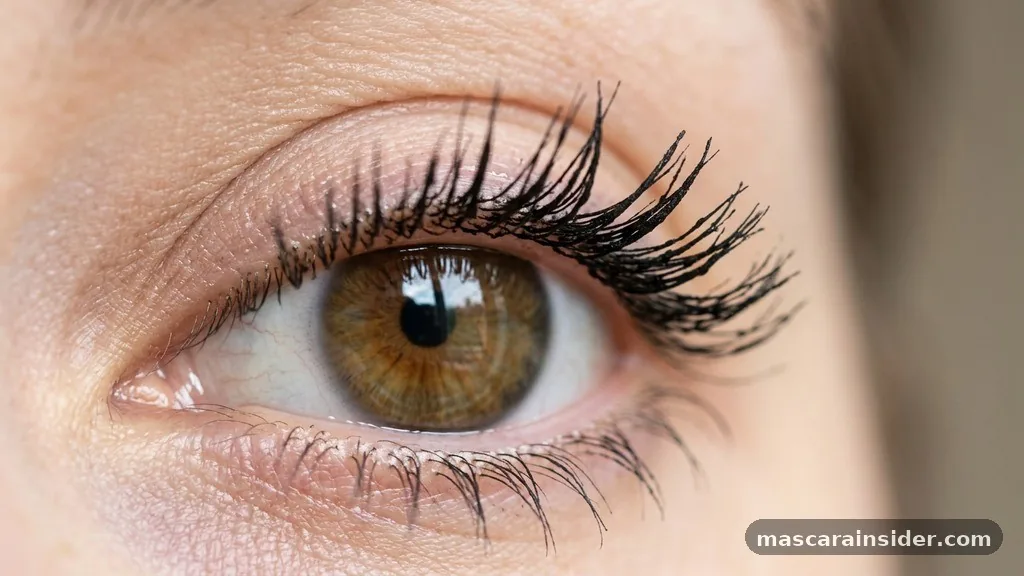
Many people wonder if regular makeup routines might be damaging their natural beauty, often asking if it’s true that is mascara bad for your eyelashes. While this cosmetic staple is a cornerstone of most beauty kits, its long-term impact on your lash health depends heavily on application, product quality, and removal habits. Understanding how the chemicals and physical weight of these products affect your delicate hair follicles can help you maintain length and strength.
By adjusting how you apply and clean your lashes, you can enjoy defined eyes without sacrificing the integrity of your natural fringe. This exploration looks at the science behind your daily routine and how to keep your eyes healthy.
The Anatomy of Lash Health and Cosmetics
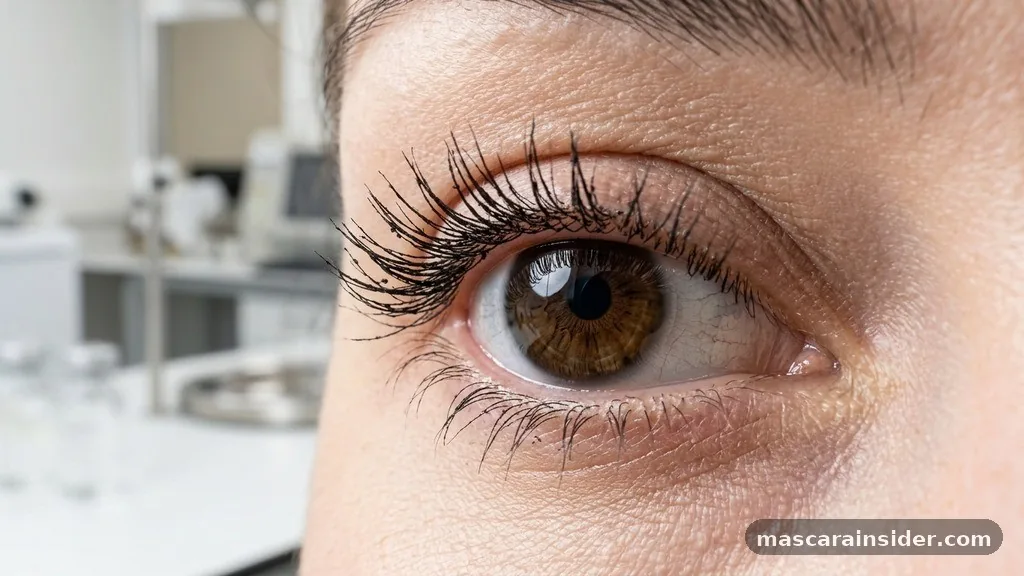
At its core, your eyelash growth cycle is a delicate biological process that occurs in three distinct phases: anagen (growth), catagen (transition), and telogen (resting/shedding). When you apply cosmetic products, you are essentially coating these hairs in a substance that adds weight and texture.
While the product itself is rarely inherently toxic, the primary concern revolves around how the weight and rigidity of dried pigment affect the hair shaft. If you apply a formula that dries too stiffly, it can create tension on the eyelash follicle health, potentially leading to premature shedding or breakage.
Most standard formulas contain a mixture of waxes, oils, and pigments designed to adhere to the hair for extended periods. When these ingredients dry, they harden, which is why your lashes feel brittle to the touch after several hours of wear. If you happen to rub your eyes while this hardened coating is present, you increase the risk of mechanical damage.
The hair, which is already stiffened by the product, is more likely to snap under pressure than a clean, flexible lash. Maintaining healthy follicles requires a balance of proper nutrition and minimal physical stress throughout the day.
Risks Associated with Waterproof Formulas
Waterproof mascara is a double-edged sword for many users who prioritize longevity and smudge-free wear. While it is excellent for resisting sweat and tears, the chemical composition required to make it water-resistant is significantly more aggressive than that of traditional water-soluble options.
These products often rely on volatile solvents and long-chain polymers that create a nearly impenetrable barrier on the hair. Because they are designed to resist water, they are notoriously difficult to remove without significant scrubbing, which is where most of the damage occurs.
The necessity of using harsh makeup removal techniques to dissolve these stubborn formulas is the primary reason users report lash loss. If you find yourself tugging at your eyelids with a cotton pad every night, you are effectively pulling on the roots. Over time, this constant physical agitation can weaken the follicle and lead to thinning.
If you choose to wear these formulas, you must use a dedicated oil-based cleanser that dissolves the polymers on contact. This prevents the need for manual friction, allowing the product to slide off the hair gently rather than being scraped away.
The Impact of Poor Removal Habits
The most significant threat to your lashes isn’t the product sitting on them during the day, but rather the residue left behind overnight. Sleeping in makeup is one of the most common causes of lash breakage and ocular irritation.
When you don’t cleanse thoroughly, the product remains on your lashes, continuing to dry them out and making them brittle. Throughout the night, your face rubs against your pillowcase, creating friction that causes these hardened lashes to break off against the fabric.
Furthermore, leaving pigment on your lash line can clog the meibomian glands, which are responsible for secreting the oils that keep your eyes lubricated. Clogged glands lead to dry eyes, redness, and a general feeling of discomfort that many people mistakenly attribute to the makeup itself.
Establishing a consistent nightly ritual is non-negotiable if you want to keep your lashes healthy. Using a gentle, effective cleanser ensures that every trace of pigment is removed, allowing your lashes to remain flexible and hydrated throughout the night.
Understanding Mascara Ingredients and Sensitivities
Not all products are created equal, and your personal reaction to specific mascara ingredients can vary widely. Common components like iron oxides, preservatives, and thickening agents are generally safe, but they can trigger allergic reactions in sensitive individuals.
If you notice persistent redness, itching, or swelling around your eyes, you may be experiencing a reaction to a specific chemical in your current tube. Opting for hypoallergenic cosmetics can mitigate these risks, as these products are formulated with fewer potential irritants and are typically fragrance-free.
Beyond potential allergies, some formulas contain ingredients that are better for your lashes than others. Many modern brands are now incorporating conditioning agents like panthenol, keratin, or various botanical oils into their formulas. These additives work to keep the hair hydrated, preventing the brittle feeling that leads to breakage.
When shopping for your next tube, look for labels that emphasize conditioning benefits. While these won’t act as a replacement for a dedicated lash serum, they certainly provide a better environment for your lashes than older, more drying formulas that rely solely on heavy waxes.
Mechanical Damage from Application and Removal
Mechanical damage is a broad term that covers any physical trauma inflicted upon your lashes, whether through aggressive curling or rough removal. Using an eyelash curler after the product has dried is a classic mistake that leads to instant breakage. When the hair is stiffened by the coating, it cannot bend naturally around the curve of the curler.
Instead of a gentle lift, you end up with a sharp crimp that acts as a weak point, eventually causing the hair to snap off. Always curl your lashes while they are clean and bare to avoid this risk.
Removal, as previously mentioned, is another major source of mechanical stress. The skin around your eyes is the thinnest on your face, making it extremely susceptible to stretching and tearing. When you scrub away at your mascara, you aren’t just damaging the lashes; you are also accelerating the aging of the skin in your eye area.
Using the right tools, such as a high-quality microfiber cloth or a cleansing balm, changes the process from an abrasive chore into a gentle grooming step. By prioritizing the health of the eyelid skin, you naturally protect the lashes growing from it.
Identifying Topical Gaps in Lash Care
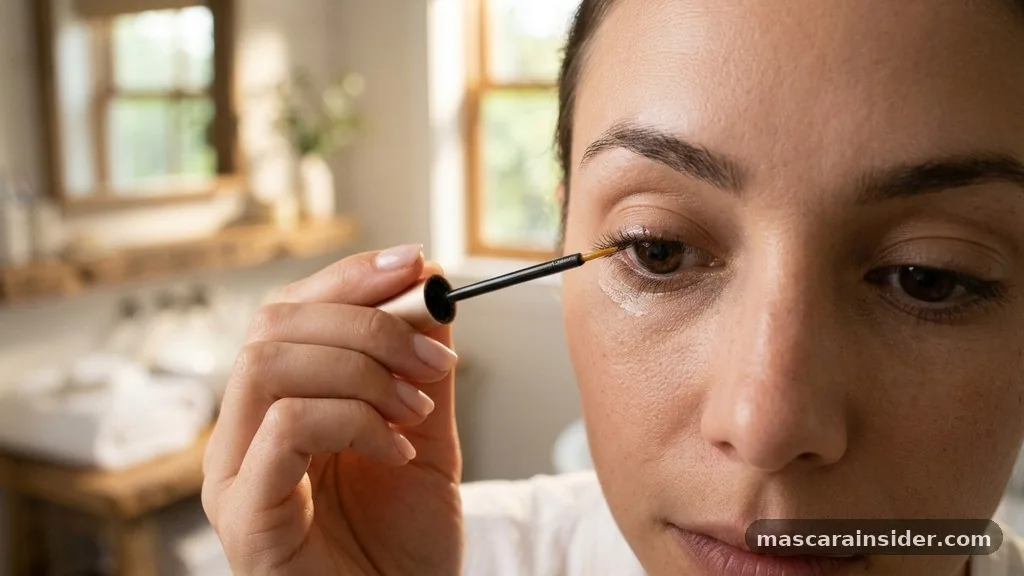
Many articles focus on the product itself while ignoring the environmental and lifestyle factors that impact lash health. One major gap in current advice is the role of humidity and climate in how mascara interacts with the hair. In very dry environments, the ingredients in your makeup may lose moisture faster, leading to increased brittleness.
Conversely, in high-humidity areas, some formulas may soften too much, leading to clumping and drooping, which encourages users to reapply and layer more product. Adding more layers is a common mistake that increases the total weight on the lash, further stressing the follicle.
Another overlooked area is the importance of brush hygiene and the expiration date of your cosmetics. A mascara tube is a breeding ground for bacteria, especially after it has been opened for more than three months. Using an old, contaminated wand can lead to infections like blepharitis, which causes inflammation of the lash line and can lead to permanent lash loss.
Replacing your mascara every three months is not just a marketing ploy; it is a vital hygiene practice. Keeping your brushes clean and replacing your products on time are simple, actionable steps that many people ignore to their own detriment.
Lash Serums and Supplemental Care
If you are concerned that your lashes have already suffered damage, you might consider the role of specialized treatments. Lash serums have become increasingly popular for those looking to improve the length and density of their natural fringe.
These products typically contain peptides, vitamins, or prostaglandin analogs that support the hair growth cycle and condition the lash from the root. While they aren’t a cure-all, they can certainly help counteract the drying effects of daily makeup use by reinforcing the hair structure.
However, it is important to manage expectations. A serum will not magically grow hair overnight, and you must remain consistent with the application to see results. Furthermore, you should always check the ingredient list for potential irritants if you have sensitive eyes.
Some users prefer natural alternatives like castor oil or almond oil. While these oils can help keep the lashes supple and prevent breakage, they do not possess the same growth-stimulating properties as clinically tested serums. Using a conditioner at night can be a great way to ensure that even if you wear makeup daily, your lashes are receiving the hydration they need to stay resilient.
The Role of Eyelash Extensions vs. Mascara
It is worth noting that for some, the damage caused by daily mascara application and removal is worse than the potential risks of professional eyelash extensions. Extensions eliminate the need for daily makeup application, which saves your lashes from the daily cycle of coating, drying, and scrubbing.
However, extensions come with their own set of challenges, including the risk of improper application or allergic reactions to the adhesive. If you choose extensions, you must go to a reputable technician who understands the importance of weight distribution so as not to overwhelm your natural lashes.
If you are someone who struggles with the manual labor of removing stubborn waterproof mascara, extensions might seem like a solution. Yet, they require rigorous lash hygiene to prevent buildup and infections. Ultimately, whether you use mascara or extensions, the key to health is minimizing the stress placed on the follicle.
If you find that your natural lashes are thin or brittle, taking a break from both mascara and extensions might be the best course of action to allow them to recover. Your lashes are constantly regenerating, so even if you have experienced some damage, a few weeks of “makeup-free” time can make a noticeable difference.
Comparative Analysis of Lash Care Methods
To better understand your options, it is helpful to look at how different beauty habits affect the overall health and longevity of your natural lashes. The following table highlights common practices and their relative impact on lash maintenance.
| Practice | Impact on Lash Health | Maintenance Level |
|---|---|---|
| Daily Waterproof Mascara | High Risk (due to removal friction) | High (requires oil-based cleanser) |
| Water-Soluble Mascara | Low to Moderate | Low (easy to wash off) |
| Lash Serums | Positive (supports growth/strength) | Medium (requires consistency) |
| Eyelash Extensions | Variable (depends on application) | High (needs professional maintenance) |
| No Makeup/Bare Lashes | Optimal | None |
Common Habits for Protecting Your Fringe
Beyond the products you choose, your daily habits play a massive role in whether your lashes stay healthy or become damaged. One often ignored habit is the way you touch your eyes during the day.
If you have a habit of rubbing your eyes when tired or stressed, you are likely causing mechanical damage to your lashes regardless of what product you are wearing. Becoming conscious of these small movements can significantly reduce the amount of fallout you experience.
Another important factor is the quality of your makeup tools. If you use an eyelash curler, ensure the rubber pad is replaced regularly. A worn-out pad can expose the metal, which will cut your lashes like a pair of scissors.
If you notice your lashes appearing shorter or “chopped” at the ends, check your curler immediately. Additionally, consider how you layer your mascara. Applying too many coats while the product is still wet can cause clumping, leading to a heavy, weighed-down feeling that puts unnecessary tension on the follicle.
* Always remove makeup completely before bed using an oil-based cleanser.
* Avoid using waterproof formulas on a daily basis if possible.
* Replace your mascara every three months to prevent bacterial growth.
* Never use a lash curler after applying mascara.
* Use a lash serum or conditioning oil to keep hairs flexible.
* Be gentle when cleansing the eye area; never scrub or pull.
* Take regular “makeup-free” days to give your lashes a chance to breathe.
Conclusion
Is mascara bad for your eyelashes? The answer isn’t a simple yes or no, but rather a reflection of your personal habits. When used mindfully, mascara is a safe way to enhance your eyes, provided you prioritize proper removal and keep your tools clean.
The damage most people worry about usually stems from mechanical stress during removal or the use of overly harsh formulas that dry out the hair. By switching to gentler cleansers, avoiding the urge to rub your eyes, and giving your lashes regular breaks, you can maintain their health while still enjoying your favorite beauty looks. Take a moment to evaluate your current routine, and you will likely find small, easy adjustments that make a significant difference in the strength and appearance of your natural lashes.
Frequently Asked Questions
Are eyelashes healthier without mascara?
Yes, avoiding mascara allows lashes to remain flexible, preventing the mechanical stress and dryness caused by daily pigment.
What mascara is healthiest for your eyelashes?
Look for formulas enriched with conditioning ingredients like panthenol or keratin, and always opt for easy-to-remove, non-waterproof options.
Is it harmful to wear mascara every day?
It is generally safe if you have a thorough, gentle removal routine and don’t sleep in your makeup products.
What can I wear instead of mascara?
You can use a clear lash serum, a lash lift treatment, or a tinted lash conditioner for a natural look.
Does wearing mascara make your eyelashes fall out?
Mascara itself doesn’t cause shedding, but the friction from removing stubborn, dry, or waterproof formulas often causes breakage.
How to remove mascara without damaging eyelashes?
Use an oil-based cleanser or balm to dissolve the product, allowing it to slide off without any rubbing.
Is clear mascara bad for your eyelashes?
Clear mascara is generally safer as it lacks heavy pigments, but it can still cause stiffness if it contains harsh polymers.


