

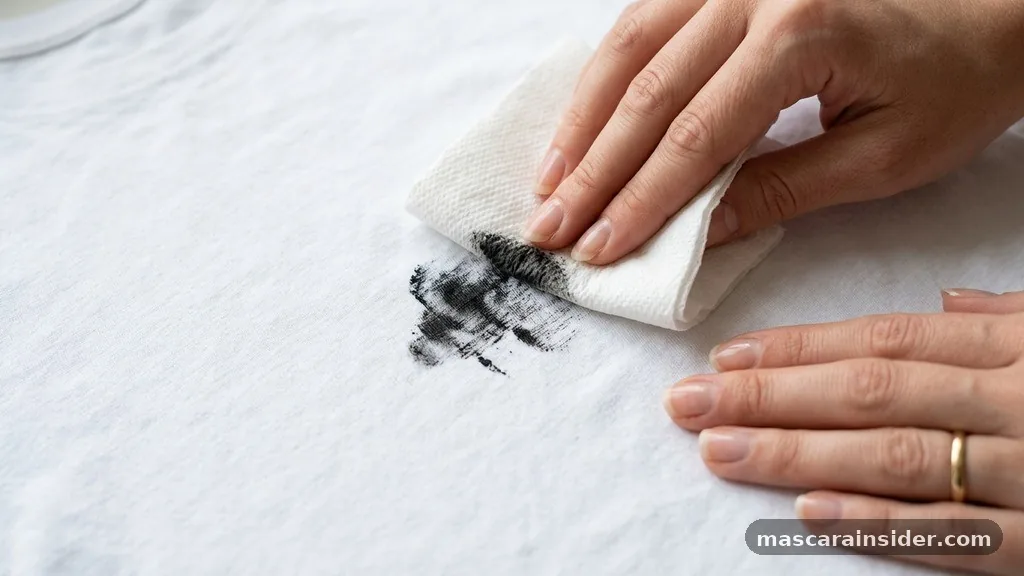
Accidentally brushing your lashes against a fresh shirt or dropping a wand on your favorite trousers is a common mishap that often leads to panic. Mascara is specifically formulated to be long-wearing and smudge-resistant, which makes it notoriously difficult to lift once it settles into the weave of your garments.
However, mastering the art of getting mascara out of clothes is entirely possible if you act quickly and use the right chemical agents to break down those stubborn waxes and pigments. By understanding the composition of your makeup and the specific needs of your fabric, you can effectively salvage your wardrobe without causing permanent discoloration or damage.
Immediate Response and the Importance of Blotting
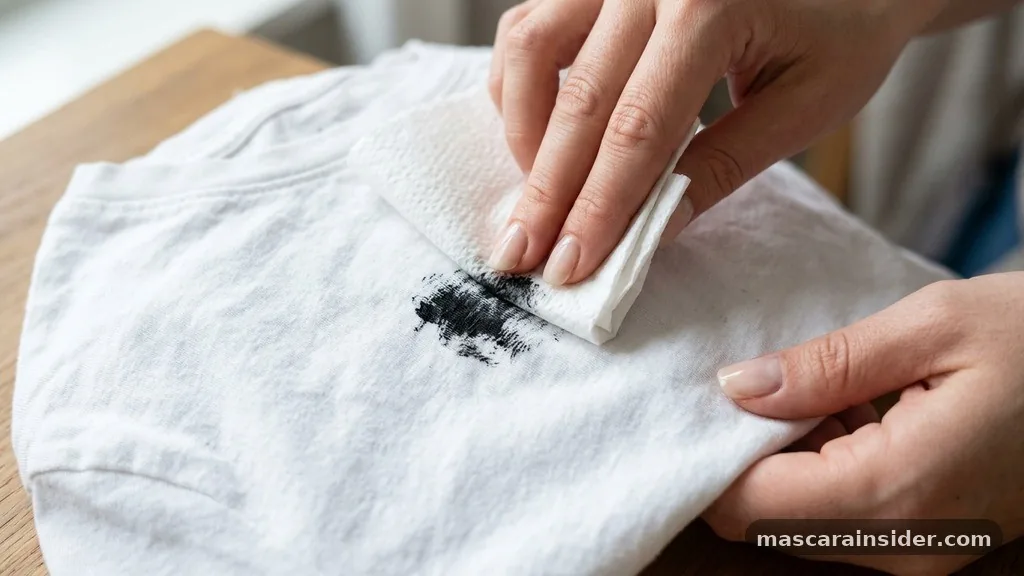
When mascara first makes contact with your clothing, your primary goal is to prevent the pigment from sinking deeper into the fabric fibers. Many people make the mistake of immediately rubbing the area, which only serves to grind the dark oils and waxes into the weave. Instead, you should reach for a clean, dry paper towel or a piece of blotting paper to lift away the excess substance.
Use a gentle, vertical motion to pick up as much of the mascara as possible. If the formula is still wet, it will transfer easily onto the paper. Continue moving to a clean section of the blotting material with every press to avoid re-depositing the pigment back onto the garment.
This blotting technique is the most critical first step because it limits the total volume of stain you need to treat with liquid solutions later. Never use a wet cloth for this initial stage, as the added moisture can cause the mascara to bleed outward, creating a larger, more difficult stain to manage.
Selecting the Right Solvent for Oil-Based Stains
Mascara is almost always oil-based, meaning that traditional water-based stain removers will often fail to budge the residue. To properly dissolve the makeup, you need a solvent that can cut through the waxy binders used in modern cosmetics. Oil-based cleanser or even a specialized makeup remover can be incredibly effective here because they are designed to break down the exact chemical bonds present in your mascara.
Apply a small amount of the cleanser to a cotton swab rather than pouring it directly onto the fabric. This gives you precise control, allowing you to dab the solution onto the stain without affecting the surrounding area. Gently work the cleanser into the fibers from the outside of the stain toward the center.
This prevents the spot from spreading. Once the cleanser has had a minute to penetrate, you will likely see the dark pigment start to lift away from the fibers. Always perform a patch test on an inconspicuous seam first to ensure the solvent won’t strip the dye from your specific garment.
The Role of Dish Soap in Stain Pretreatment
If you don’t have a dedicated makeup remover on hand, dish soap is your next best ally. Because dish soap is chemically engineered to emulsify and remove stubborn grease from plates, it is highly effective at lifting the oily components found in mascara formulas. This makes it an ideal stain pretreatment agent for most clothing types, including cotton and polyester blends.
To use this method, apply a single drop of clear, grease-cutting dish soap to the stained area. Add a tiny splash of cold water rinse to create a light lather. Use your fingertips or a soft-bristled toothbrush to massage the soap into the fibers.
The goal is to break the hold the mascara has on the textile without stretching or damaging the weave. Let the mixture sit for at least ten to fifteen minutes. This dwell time is essential for the enzymes in the soap to fully interact with the synthetic mascara pigments before you move on to the rinsing stage.
Utilizing Isopropyl Alcohol for Stubborn Residue
For particularly stubborn or dried-on mascara, isopropyl alcohol acts as a powerful solvent that can dissolve the dried waxes that soap alone might miss. This is especially useful for high-pigment, waterproof formulas that are designed to resist water-based cleaners. Alcohol evaporates quickly, which makes it safer for many fabrics than heavy-duty chemical solvents, though you must still exercise caution.
Dampen a clean white cloth or a cotton ball with a small amount of isopropyl alcohol. Lightly dab the stained area, ensuring you aren’t soaking the fabric through to the other side. You should notice the mascara transferring from your clothing onto the cloth.
Continue this process, rotating your cloth frequently to ensure you are always using a clean surface. If the stain is large, work in small sections to keep the alcohol from drying out too quickly. Once the pigment is significantly faded, rinse the area with cold water to remove any remaining alcohol residue before proceeding to a standard wash cycle.
Dealing with White Fabrics and Hydrogen Peroxide
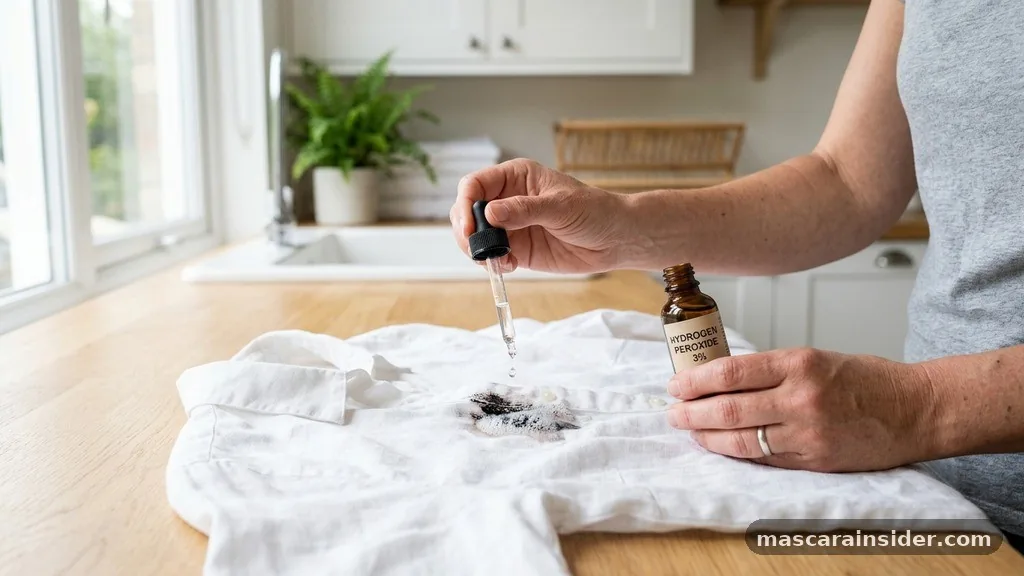
Removing dark mascara from white clothing presents a unique challenge because any lingering residue is immediately visible. While the methods above are effective, you may need a mild bleaching agent to restore the fabric to its original brightness. Hydrogen peroxide is a safe, household staple that can help lift the final traces of pigment from white cotton or linen.
Before applying, confirm that the fabric is colorfast or strictly white. Dab a small amount of 3% hydrogen peroxide onto the remaining stain using a clean cloth. You might see a slight bubbling reaction, which is normal as the oxygen helps break down the organic pigment.
Let it sit for a few minutes, but do not let it dry completely on the fabric. Rinse the area thoroughly with cold water. If the stain persists, you can repeat the process, but be careful not to overuse it on delicate fabrics, as it can weaken fibers over time if left untreated.
Addressing Topical Gaps: What to Do After Drying
A common point of confusion for many people is how to get mascara out of clothes after it has already gone through a hot dryer cycle. Once a stain has been heat-set, the oils and waxes are essentially baked into the fibers, making standard cleaning methods much less effective.
However, all is not lost. You must treat the garment as if you are starting from scratch, but with a more aggressive approach to re-emulsify the dried oils.
Begin by re-saturating the area with an enzyme-based cleaner or a heavy-duty liquid laundry detergent. Enzymes are biological catalysts that break down complex proteins and fats; they are far more effective at tackling set-in stains than simple surfactants. Apply the detergent directly to the spot and let it soak for at least an hour.
You may need to use a soft brush to gently agitate the fibers to help the enzymes reach deep into the weave. After the soak, rinse with cold water and observe if the pigment has lifted. If the stain remains, you may need to repeat this process several times or consult a professional cleaner if the garment is made of delicate material like silk or wool.
Comparing Removal Methods for Different Fabrics
Different materials react differently to solvents and mechanical agitation. It is vital to consult your textile care labels before choosing a removal strategy. The following table provides a quick reference for which methods are generally safe for common garment types.
| Fabric Type | Recommended Method | Caution |
|---|---|---|
| Cotton/Denim | Dish soap + warm water | Avoid excessive scrubbing |
| Polyester/Synthetics | Makeup remover + cold water | Test for color bleeding |
| Silk/Delicates | Professional dry cleaning | Avoid harsh solvents |
| Wool | Mild detergent/Spot clean | Avoid heat and heavy rubbing |
Always prioritize the manufacturer’s instructions. If a label says “dry clean only,” attempting to remove the stain at home could cause shrinkage or permanent texture changes that are far worse than the initial makeup mark.
The Final Wash Cycle and Inspection
Once you have successfully lifted the majority of the pigment using your chosen solvent or soap, you are ready to launder the garment. Use the hottest water setting that is safe for the specific fabric type, as warmer water helps keep the remaining oils in a liquid state, allowing the laundry detergent to wash them away effectively.
Before tossing the item in the dryer, inspect the area carefully under bright, natural light. If you see even a faint shadow of the mascara, do not run the dryer. The heat of a machine dryer is the ultimate enemy; it will permanently set any remaining pigment.
If the stain is still visible, you must repeat your chosen pretreatment method. It is far better to wash a garment three times to ensure a clean result than to risk setting the stain forever with a single pass through the dryer. Once the item is perfectly clean, you can proceed with your normal drying routine.
Preventative Measures and Best Practices
The best way to handle mascara stains is, of course, to avoid them entirely. While accidents happen, you can minimize the risk by establishing a routine that keeps your makeup station separate from your wardrobe.
Many people find that applying their mascara after they are fully dressed is a recipe for disaster. If you have the time, try getting dressed only after your makeup is complete and fully set.
- Apply mascara as the final step of your beauty routine to avoid accidental contact while changing clothes.
- Keep a small bottle of travel-sized makeup remover in your bathroom cabinet for quick access during spills.
- If you are in a rush, use a cape or a light towel draped over your shoulders while applying eye makeup.
- Inspect your clothing for stray marks before you leave the house; finding a spot early makes it much easier to treat.
- Store your makeup brushes and wands in a secure container to prevent them from rolling off countertops.
By following these simple habits, you significantly reduce the frequency of these stressful incidents. However, should a mishap occur, you now have a comprehensive toolkit of methods to address the situation with confidence.
Frequently Asked Questions
Can mascara come out of clothing completely?
Yes, most mascara stains can be removed if treated promptly before being exposed to heat.
Does mascara stain fabric permanently?
If heat-set in a dryer, mascara becomes significantly harder to remove and may leave a permanent shadow.
Is dish soap effective for removing mascara?
Yes, liquid dish soap is excellent for breaking down the oily, waxy components found in most mascaras.
What should I do if I get mascara on my clothes at work?
Blot the area gently with a dry tissue, then use a damp cloth to dab the spot lightly.
Can I use hydrogen peroxide on all fabrics?
No, hydrogen peroxide can bleach colors, so only use it on white or colorfast fabric items.
Does rubbing alcohol damage clothing?
It is generally safe for most sturdy fabrics, but always test on a small, hidden seam first.
Is a professional cleaner necessary for mascara stains?
Only if the garment is labeled “dry clean only” or made of delicate fibers like silk or wool.
Dealing with an unexpected makeup mark can be frustrating, but your clothing isn’t necessarily ruined. By acting quickly, avoiding the dryer until you are certain the stain is gone, and using the right chemical agents like dish soap or isopropyl alcohol, you can effectively restore your favorite garments. Remember that patience is your best tool; if a stain doesn’t lift on the first attempt, repeat the process rather than forcing the fabric.
With these techniques in your repertoire, you can maintain your wardrobe’s pristine condition despite the occasional beauty mishap. If you found these tips helpful, keep this guide bookmarked for the next time you need to handle a tricky stain situation. Feel free to share your own successful removal stories or ask further questions about fabric care.


