

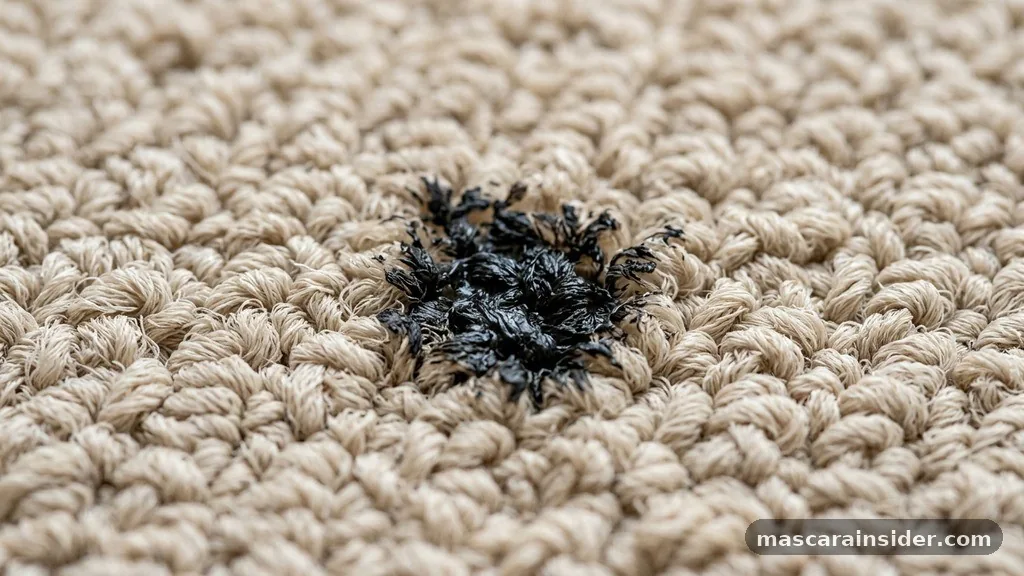
Discovering a dark, smudge-like stain on your flooring is never a pleasant experience, but learning how to get mascara out of carpet effectively can save your home decor from permanent damage. Because mascara often contains waxes, oils, and deep pigments, it acts differently than simple dirt or mud, requiring a specific chemical approach to break the bond between the makeup and your carpet fibers.
By acting quickly and using the right household supplies, you can lift the pigment without spreading the dark smear further into the fabric. This process focuses on gentle extraction rather than aggressive scrubbing, ensuring that your carpet remains in pristine condition despite the accidental spill.
Understanding the Composition of Mascara Stains
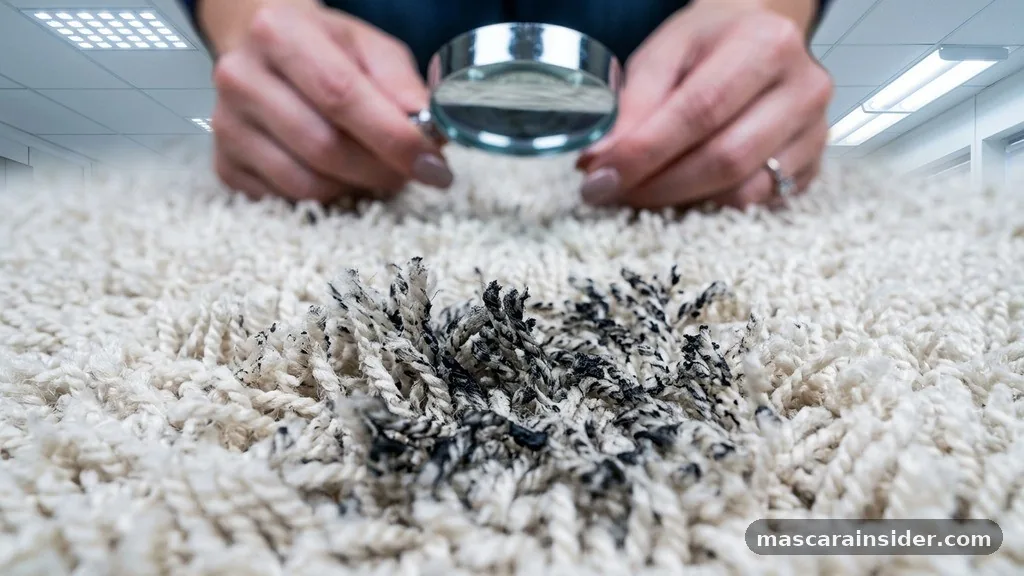
Mascara is formulated to be long-lasting and smudge-resistant, which is great for your eyelashes but problematic for your flooring. Most modern formulas are oil-based cosmetics designed to adhere firmly to hair, meaning they are inherently hydrophobic and resistant to simple water-based cleaning attempts. When these substances land on synthetic fibers like nylon or polyester, they don’t just sit on the surface; they wrap around the individual strands, creating a stubborn bond that resists basic vacuuming or surface wiping.
The key to successful stain removal is understanding that mascara consists of a mixture of pigments, waxes, and polymers. These components are meant to dry and lock into place, which is why a fresh spill is significantly easier to manage than one that has had hours to settle and oxidize.
If you attempt to use hot water, you might inadvertently melt the waxes, causing the pigment transfer to penetrate deeper into the carpet backing. Always prioritize cool or room-temperature liquids to keep the formula stable while you work to lift it out of the pile.
Immediate Steps for Fresh Mascara Spills
When you first notice a spill, your initial instinct might be to grab a wet towel and start scrubbing, but this is the most common mistake that turns a small spot into a permanent blemish. The primary rule for managing a fresh spill is the blotting technique.
By pressing firmly with an absorbent material, you can pull the excess mascara off the surface before it has a chance to work its way down to the carpet pad. Use a clean white paper towel or a microfiber cloth to avoid transferring dyes from the cloth onto your rug.
Avoid any circular rubbing motions, as these will only twist the mascara deeper into the weave of the carpet. Instead, use a light tapping motion, lifting the cloth frequently to check for pigment transfer.
If the mascara is still wet and tacky, try to carefully scoop up as much as possible with a dull knife or the edge of a credit card before applying any liquid treatments. This mechanical removal reduces the total volume of makeup you need to dissolve, significantly lowering the risk of leaving a shadow or ring behind once the area finally dries.
Using Isopropyl Alcohol for Tough Pigments
If the spill has already begun to dry or if blotting hasn’t removed enough of the dark color, isopropyl alcohol is often the most effective solvent for breaking down the stubborn waxes found in makeup. Because mascara is designed to be waterproof, typical soap and water combinations might fail to penetrate the oil-based barrier. Alcohol acts as a powerful degreaser that dissolves the binding agents, allowing the pigment to release from the fibers so it can be lifted away.
To apply this safely, dampen a clean white cloth with a small amount of rubbing alcohol—never pour it directly onto the carpet, as excessive liquid can seep into the padding and cause mold or damage to the subfloor. Gently dab the stained area, starting from the outside edge and working toward the center to prevent the stain from spreading. You will notice the mascara transferring onto your cloth quickly.
Continue switching to a clean section of the cloth until no more pigment comes off. Once the stain is gone, follow up with a light damp cloth of plain water to remove any residual alcohol, then blot the area dry.
The Role of Dish Soap in Breaking Down Oils
For many, a simple dish soap solution is a safer starting point than alcohol, especially if you are concerned about colorfastness on delicate rugs. Dish soap is specifically engineered to cut through grease and oil, making it an ideal candidate for tackling the oily base of most mascaras.
Mix a small drop of mild, clear dish soap into a cup of cold water. It is important to use clear soap to avoid adding dyes that could potentially stain lighter-colored carpets.
Dip a clean cloth into the solution and blot the mascara stain repeatedly. The soap will help emulsify the oils in the mascara, making them easier to lift with your cloth. After you have treated the area, it is vital to rinse the soap away.
Soap residue left in the carpet can actually attract dirt over time, leading to a dark spot appearing exactly where the spill used to be. Use a separate cloth dampened with fresh, cool water to dab the area until all the suds are gone, then use a dry towel to soak up the excess moisture.
Addressing Topical Gaps: When Standard Methods Fail
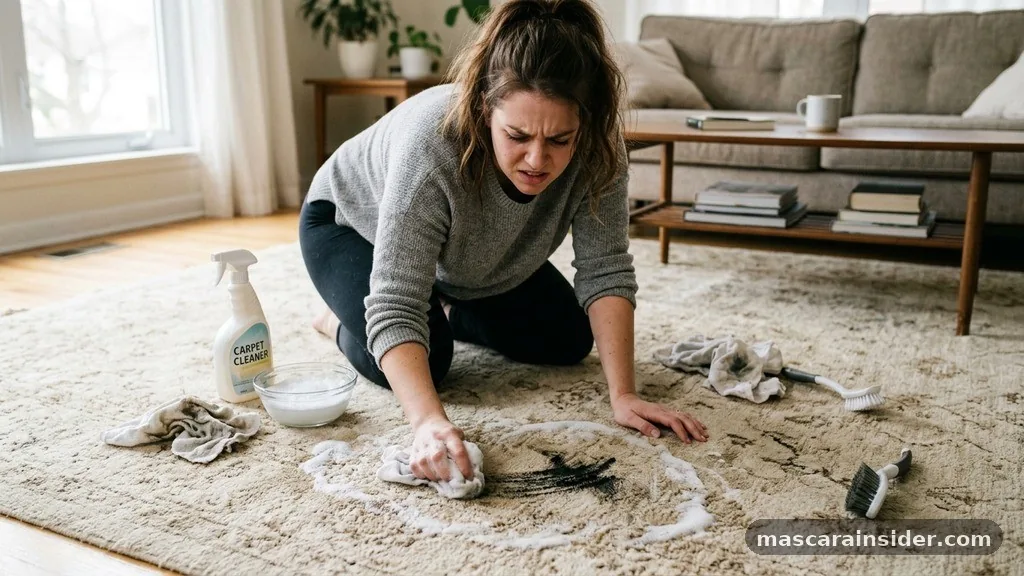
Sometimes, even after using alcohol or soap, a faint shadow remains on the carpet fibers. This occurs because the pigment has stained the very tip of the synthetic material. One common gap in advice is how to handle residue that seems impossible to shift.
If you have tried the standard solvents and the stain persists, consider a professional-grade upholstery cleaner designed specifically for synthetic materials. These products often contain surfactants that are more aggressive than household soap but safer than harsh chemicals.
Another frequently overlooked aspect is the type of carpet fiber you have. Wool carpets, for example, are highly sensitive to high-pH cleaners like strong dish soaps or heavy-duty degreasers, which can cause permanent fiber damage or bleaching.
If you have natural wool or silk blends, it is safer to stick to mild, pH-neutral cleaners or call a professional carpet cleaning service. Do not attempt to use hydrogen peroxide on any dark-colored or non-white carpet, as it acts as a bleaching agent and can permanently lighten your flooring, replacing a mascara stain with a permanent white spot.
Comparing Common Cleaning Solutions
Choosing the right cleaner depends on the severity of the stain and the type of material you are treating. The table below outlines how different common agents interact with mascara stains to help you decide which one is appropriate for your specific situation.
| Cleaning Agent | Effectiveness on Mascara | Risk Level |
|---|---|---|
| Clear Dish Soap | Moderate | Low |
| Isopropyl Alcohol | High | Moderate (test for colorfastness) |
| Hydrogen Peroxide | Very High | High (bleaching risk) |
| Vinegar Solution | Low | Low |
Utilizing a Vinegar Solution for Neutralization
If you prefer to avoid harsh chemicals, a vinegar solution can be a useful secondary step, though it is less effective at dissolving the oil base of mascara than alcohol. Mixing one part white vinegar with two parts water creates a mild acidic solution that can help neutralize residue and lift light traces of pigment. This method is particularly effective if the mascara had some powder-based elements, such as those found in volumizing formulas.
Apply the vinegar mixture using a spray bottle or a clean cloth, ensuring you don’t saturate the carpet. After letting it sit for about five minutes, blot the area with a dry, absorbent cloth.
Vinegar also acts as a natural deodorizer, which is helpful if your makeup has any fragrance that might linger in the room. Always follow up with a fresh water blot to remove the vinegar scent, as it can be quite strong until it fully evaporates from the carpet fibers.
Preventing Future Carpet Stains
The best way to manage makeup spills is to prevent them from reaching the carpet in the first place. Many people apply mascara while sitting on the edge of the bed or in a bedroom area with wall-to-wall carpeting.
By simply laying down a small mat, a towel, or a plastic tray while applying makeup, you create a buffer zone. If a drop falls, it lands on the protective layer rather than your flooring.
If you are prone to spills, consider keeping your makeup station in a bathroom with tile or laminate flooring. These surfaces are non-porous and can be wiped clean with a single paper towel, making the cleanup process instantaneous. For those who must apply makeup in carpeted rooms, maintaining a small “emergency kit” under the sink with a bottle of isopropyl alcohol and clean white cloths ensures that you can address a spill the moment it happens, preventing the mascara from setting and becoming a long-term problem.
Professional Cleaning and Long-Term Maintenance
Sometimes, despite your best efforts, a stain is too deep or has been there too long to remove with home remedies. If you have tried the suggested methods and the mark remains visible, it may be time to contact a professional.
Professional cleaners have access to high-powered extraction equipment and specialized solvents that are not available to the average consumer. They can often lift stubborn, set-in pigments that have bonded deep within the carpet backing.
Regular maintenance is also key to preserving the life of your carpet. Frequent vacuuming prevents grit and dust from mixing with small, unnoticed makeup spills, which can create a grimy paste that is much harder to remove.
If you have light-colored carpet, consider applying a professional-grade carpet protector after a deep cleaning. These treatments create a barrier that prevents liquids and oils from soaking into the fibers, giving you more time to clean up accidental spills before they become permanent stains.
Conclusion
Getting mascara out of carpet does not have to be a source of stress if you approach the problem with patience and the right tools. By utilizing the blotting technique and selecting the appropriate solvent—whether it be mild dish soap for fresh spills or isopropyl alcohol for stubborn residue—you can restore your flooring to its original state. Remember that the goal is to lift the pigment away from the fibers rather than forcing it deeper through scrubbing.
Taking these steps immediately after a spill is the most effective way to protect your home. If you have questions or need further advice on specific carpet types, feel free to reach out to a local professional for guidance.
Are mascara stains permanent?
Not necessarily, but they become much harder to remove if the oil-based formula is allowed to dry completely.
What takes out mascara stains?
Isopropyl alcohol is highly effective at breaking down the oils and waxes found in most mascara formulas.
Will dish soap remove mascara from carpet?
Yes, a mild, clear dish soap solution can help emulsify and lift mascara if treated while still fresh.
Can I use hydrogen peroxide on all carpets?
No, hydrogen peroxide acts as a bleach and should only be used on white carpets to avoid discoloration.
Is it okay to scrub the stain?
No, scrubbing will push the pigments deeper into the carpet fibers and likely spread the stain further outward.
What should I do if the stain is on a wool rug?
Avoid harsh chemicals like alcohol; use only mild, pH-neutral cleaners and consider professional help for delicate fibers.
Why does a shadow remain after cleaning?
The pigment may have stained the tips of the fibers, requiring a professional cleaning or a specialized surfactant.


