

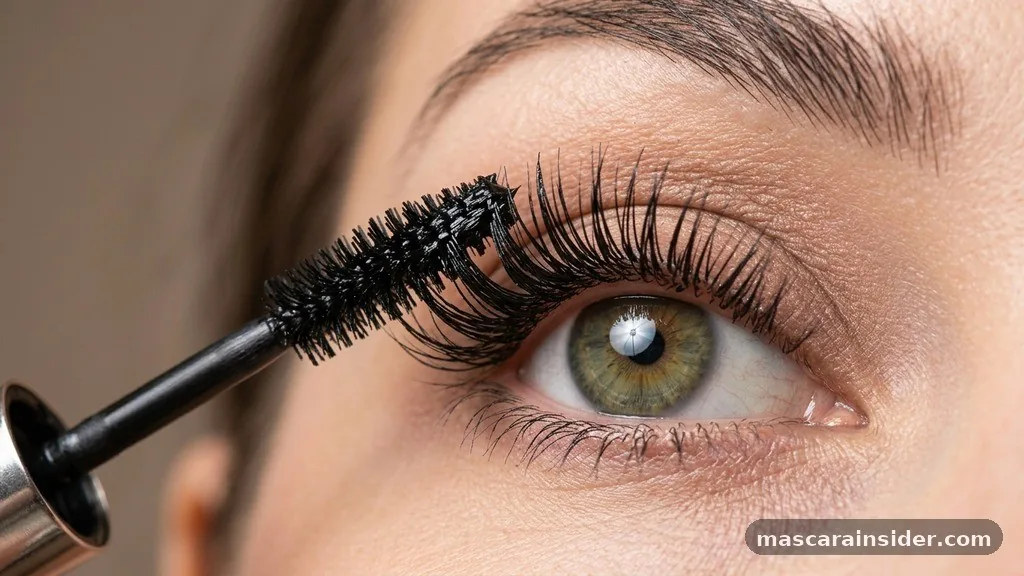
Many people wonder if the daily habit of applying makeup actually influences their natural lash length. While the immediate visual impact of a cosmetic product is undeniable, the question of whether does mascara make your eyelashes longer in a permanent sense requires a look at both cosmetic chemistry and hair biology.
Understanding the difference between a temporary aesthetic enhancement and true biological growth is essential for anyone hoping to improve their lash appearance. This article explores how specific ingredients interact with your lashes, the distinction between fiber-based lengthening and growth-stimulating serums, and the best practices to maintain optimal lash health while enjoying your favorite beauty products.
The Mechanism of Visual Lash Lengthening
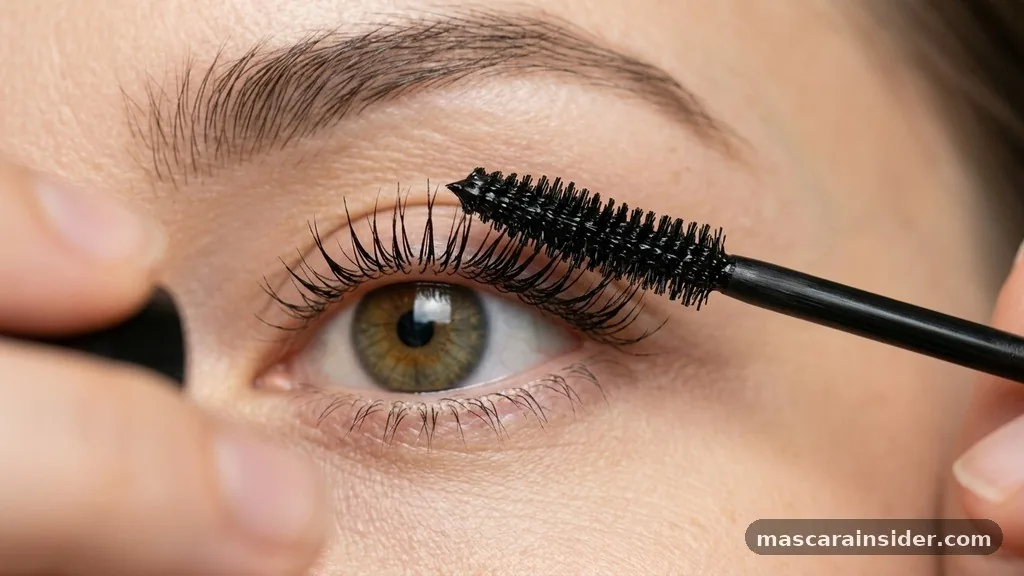
Mascara creates the illusion of length primarily through physical coating rather than biological stimulation. When you apply a standard formula, you are essentially depositing a film of waxes, oils, and pigments onto the surface of each individual lash.
This process increases the diameter and weight of the hair, making it appear darker and more prominent against the eyelid. The immediate change you see in the mirror is a result of lengthening polymers and waxes that cling to the tip of the lash, extending the reach of the hair shaft beyond its natural terminus.
These polymers are designed to be flexible, allowing them to stretch slightly as the wand moves through the lashes. By building multiple layers, you increase the thickness of the coating, which provides a dramatic contrast that frames the eye. However, this is purely an aesthetic transformation.
Because the hair shaft is dead tissue, applying a topical cosmetic cannot force the follicle to produce more hair or accelerate the eyelash growth cycle. The product is simply a tool for optical enhancement, providing a temporary boost in volume and visibility that disappears the moment you use a makeup remover.
Fiber Mascara and Synthetic Extension Technology
To understand if your makeup can provide extra length, you must look at fiber mascara and its unique construction. These products contain tiny, synthetic filaments—often made of nylon, rayon, or silk—that adhere to the natural lash using the wet formula as a binding agent.
These artificial lash fibers act as an extension of your own lashes, physically bridging the gap between the tip of your hair and the air around it. When applied correctly, these fibers can add a significant amount of length that a standard wax-based mascara simply cannot replicate.
The process involves a three-step technique: applying a base coat, layering the fibers, and sealing them with a final coat of mascara. This method creates a “scaffold” that mimics the appearance of long, dense lashes. While effective for special occasions or daily wear, it is important to recognize that these fibers are not permanent additions.
They are fragile and can flake off throughout the day, particularly if the binding formula dries out. Relying on these products requires careful application to avoid clumping, but they remain the most effective way to achieve a “falsie” effect without using glue-on extensions.
Cosmetic Chemistry and Conditioning Ingredients
Modern beauty brands have begun integrating active ingredients into their formulas, which leads many consumers to ask if these additives contribute to actual growth. Many high-end formulas now include conditioning agents such as panthenol, biotin, and various amino acids.
These components are excellent for maintaining lash health by moisturizing the hair shaft and preventing brittleness. When a lash is well-hydrated and flexible, it is less likely to snap or break, which can indirectly help you retain more length over time.
While these ingredients do not stimulate the follicle to produce new growth, they protect the existing hair from the drying effects of traditional makeup. A healthier lash is more resilient, allowing it to reach its full potential length before it naturally sheds during the final stage of the eyelash growth cycle.
Think of these ingredients as a hair mask for your eyes; they don’t grow new hair, but they ensure that the hair you have remains strong and supple. By preventing lash breakage, you effectively maintain a longer, more uniform fringe that looks fuller and healthier than it would if it were dehydrated and brittle.
The Role of Peptide-Infused Mascara
A significant trend in current beauty technology is the peptide-infused mascara, which attempts to bridge the gap between makeup and skincare. Peptides are short chains of amino acids that serve as the building blocks of keratin, the structural protein that makes up your eyelashes.
By applying a formula rich in peptides, you are providing the hair shaft with nutrients that may help fortify its structure. While the impact of topical peptides on the follicle is debated, their ability to coat the lash and provide a protective barrier is well-documented in cosmetic science.
Some users report that their lashes feel softer and appear more robust after consistent use of these formulations. This is likely due to the reduction of stress on the lash cuticle. When you remove mascara, the mechanical friction can cause hairs to pull out or break.
Formulas that include peptides often have a smoother, more nourishing texture that makes removal gentler. This reduction in physical trauma is the primary reason why some people perceive their lashes as “longer” after switching to a higher-quality, active-ingredient-rich product—they are simply losing fewer lashes to daily wear and tear.
Distinguishing Between Makeup and Lash Serums
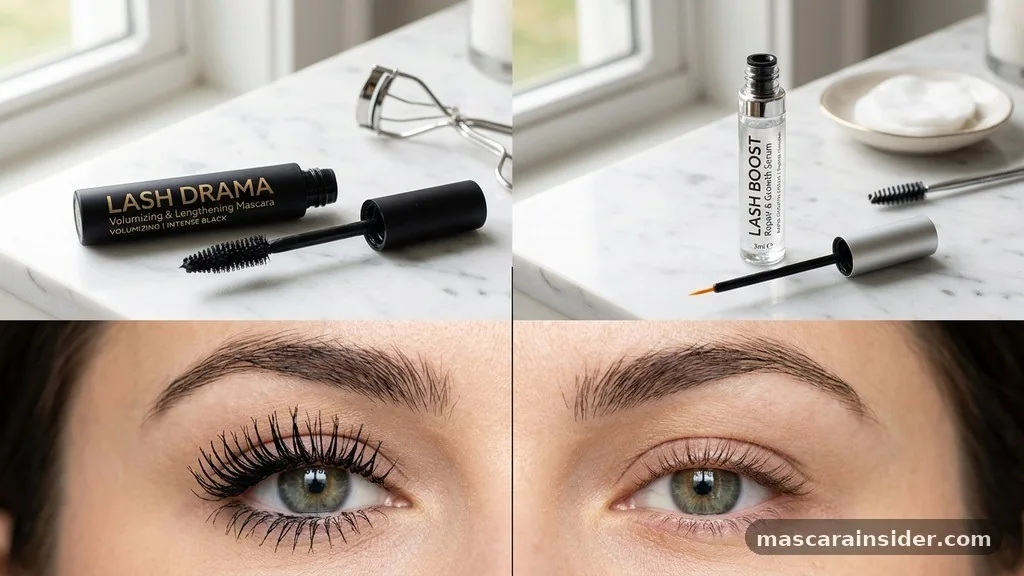
It is vital to distinguish between a mascara that claims to nourish and a dedicated lash serum. A serum is designed specifically to influence the natural lash growth phase by reaching the skin of the eyelid and interacting with the follicle directly.
Many effective serums contain prostaglandin analogs or specialized plant-based complexes that can actually extend the growth phase of the eyelash. Mascara, conversely, is meant for the hair shaft itself, not the skin or the follicle.
To illustrate the difference, consider the table below which highlights how different products interact with your eye area:
| Feature | Mascara | Lash Serum |
|---|---|---|
| Primary Goal | Instant aesthetic enhancement | Biological growth stimulation |
| Application Site | Lash hair shaft only | Eyelid skin and lash base |
| Effect Duration | Temporary (until removed) | Long-term (requires consistency) |
| Key Ingredients | Waxes, pigments, polymers | Peptides, biotin, prostaglandins |
If your goal is to achieve significant, permanent length, you should incorporate a serum into your nighttime routine. Using a mascara with conditioning agents during the day is a great supplementary practice, but it should not be viewed as a replacement for targeted growth treatments.
Addressing the Topical Gaps in Lash Care
Many consumers worry about the long-term impact of wearing makeup daily. One common concern is whether the weight of heavy mascara causes premature shedding. While high-quality formulas are generally safe, the way you remove them matters more than the product itself.
If you are tugging, scrubbing, or using harsh waterproof formulas that require aggressive removal, you are causing mechanical damage. This damage leads to thinning, which makes it appear as though your lashes have stopped growing or are falling out at an accelerated rate.
Another gap in understanding involves the “clump factor.” When mascara is applied too heavily, it creates weight that can pull on the lash.
This is particularly problematic for those with naturally thin or sparse lashes. To mitigate this, consider these best practices for maintaining your natural lashes:
- Always use a gentle, oil-based makeup remover to dissolve the product before cleansing.
- Avoid pumping your mascara wand, as this introduces air and bacteria into the tube, which dries out the formula and leads to brittle, flaky application.
- Replace your mascara every three months to prevent the buildup of bacteria that can cause eye infections and inflammation.
- Apply a clear conditioning primer before your colored mascara to create a protective barrier between the hair and the pigment.
- Take “makeup-free” days to allow your lashes to rest and recover from the physical stress of daily curling and coating.
The Impact of Eyelash Extensions on Natural Length
While many people turn to mascara to mimic the look of eyelash extensions, the two options have vastly different impacts on your natural lashes. Extensions involve gluing a synthetic fiber directly onto your natural hair.
If the extensions are too heavy or applied incorrectly, they can cause “traction alopecia,” where the natural lash is pulled out at the root due to excessive weight. This can permanently damage the follicle, leading to thinner lashes over time.
In contrast, mascara is a temporary, low-risk application. Even if you use a fiber-based mascara, it is removed daily, allowing the lash to remain free from weight and tension while you sleep. The psychological perception of “losing” lash length often happens when people switch from extensions back to natural lashes.
Their natural lashes look short by comparison, even if they are perfectly healthy. Recognizing this contrast helps manage expectations regarding what mascara can actually achieve for your appearance.
Debunking Myths About Mascara and Hair Loss
A common myth is that mascara causes lashes to fall out permanently. In reality, the eyelash growth cycle is a natural process that occurs regardless of your makeup habits. Every lash has a lifespan, and it will eventually shed to make room for a new one.
If you notice lashes on your cotton pad during removal, it is usually a sign that they were already at the end of their cycle. However, using poor-quality products or failing to remove makeup properly can lead to premature shedding, which makes the lash line look sparse.
Another misconception is that certain ingredients in mascara “choke” the lash. Because the hair shaft is composed of keratin and is essentially inert, it does not “breathe” in the way skin does. You don’t have to worry about suffocating your lashes with pigment.
The primary concern should always be cleanliness and the avoidance of harsh chemicals that might irritate the delicate skin of the eyelid. By keeping the area clean and using nourishing formulas, you ensure that your lashes are in the best possible condition to grow to their maximum potential length.
Practical Steps for Healthier and Longer-Looking Lashes
If you want to maximize the appearance of your lashes, a multi-faceted approach works best. Start with a healthy diet rich in protein, biotin, and essential fatty acids, as these nutrients support the production of keratin.
When your body is nourished, your hair grows stronger and more resilient. Combine this internal support with a high-quality lash serum for the follicles and a conditioning mascara for the hair shaft.
When applying your makeup, focus on the base of the lash rather than just the tips. Wiggling the wand at the root provides volume, which creates the foundation for length. Using a lash curler before applying mascara can also dramatically improve the visual effect, as a curl opens the eye and makes the full length of the lash visible.
Remember that patience is key; changes in hair health take time to manifest. By treating your lashes with the same care you give your skin, you will see a noticeable improvement in their appearance, texture, and overall retention over the coming months.
Summary and Future Lash Maintenance
While the question of whether does mascara make your eyelashes longer is usually answered with a “no” regarding biological growth, the reality is more nuanced. Through the clever use of lengthening polymers, artificial lash fibers, and nourishing conditioning agents, you can achieve a look that is significantly longer and healthier than your natural baseline. The secret lies in protecting the hair you have while using high-quality products that prevent the damage often associated with daily makeup wear.
By prioritizing gentle removal and incorporating nutrient-rich formulas into your beauty regimen, you support your natural lashes throughout their growth cycle, ensuring they look their best every single day. If you are looking for more personalized advice on maintaining your lash health, don’t hesitate to consult with a dermatologist or a beauty professional who can recommend products tailored to your specific needs.
Does mascara make your eyelashes longer permanently?
No, mascara provides a temporary visual effect; it does not change your biological eyelash growth cycle.
Can wearing mascara every day damage my lashes?
It can cause damage if you are rough during removal or use waterproof formulas that dry out hairs.
Do peptide-infused mascaras actually help with growth?
They help fortify the hair shaft and improve flexibility, which reduces breakage, but they aren’t growth stimulants.
What is the best way to make lashes look longer without extensions?
Use a fiber-based mascara combined with a lash curler to maximize volume and physical length safely.
Are eyelashes healthier without mascara?
Yes, taking regular breaks from makeup allows lashes to rest and prevents potential mechanical stress and breakage.
How do I distinguish between a lash serum and mascara?
Serums target the follicle and skin to stimulate growth, while mascara only coats the existing hair shaft.
Can bad removal habits make my eyelashes fall out?
Yes, scrubbing or tugging at your lashes during makeup removal can lead to premature shedding and breakage.


