Many people assume they can reach for any mascara once they're cleared for makeup after cataract surgery, but that's the wrong move. Your eyes have been through a delicate procedure, and the last thing you want is irritation from harsh formulas or flaking particles. Finding the best mascaras after cataract surgery means prioritizing gentle, ophthalmologist-tested options that won't compromise your healing or comfort.
The right choice delivers definition without drama. Keep reading to see what actually works for sensitive post-surgical eyes.
Key Takeaways
- Ophthalmologist-tested formulas reduce the risk of irritation during your recovery period.
- Water-based mascaras are gentler than oil-based alternatives and easier to remove without tugging.
- Hypoallergenic and fragrance-free options minimize potential allergic reactions when eyes are most vulnerable.
- Tubing mascaras create a protective sleeve around lashes and remove cleanly with warm water, avoiding harsh rubbing.
- Wait at least two weeks post-surgery (or follow your doctor's specific timeline) before applying any eye makeup.
| Post-Surgery Eye Protection |  |
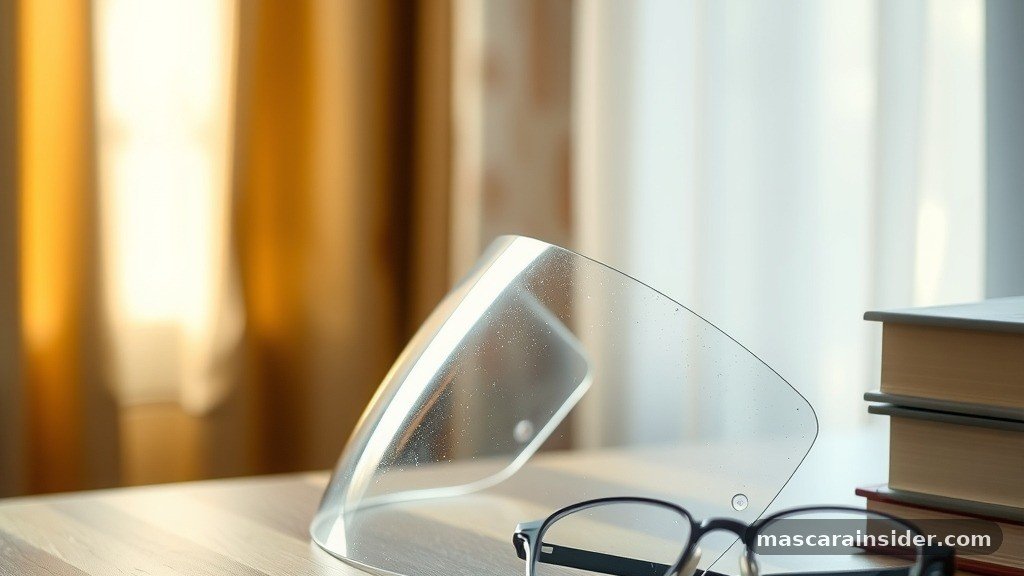
AMZVIO Clear Eye Shield After Surgery | Clear shield for unobstructed vision | Ventilation holes prevent moisture buildup | Two shields included (with options) | View on Amazon | Read Review |
More Details on Our Top Picks
-
AMZVIO Clear Eye Shield After Surgery
If you've just had cataract surgery, protecting your eye while you sleep is critical. The AMZVIO eye shield gives you a transparent plastic barrier that sits over your eye without touching the surgical site, which matters when even a brush of a pillowcase could cause problems. The perforated design lets air circulate so you're not creating a humid environment against healing tissue.
What makes this shield practical for recovery is the adjustable strap system that holds it in place without pressing too hard. You get two shields in the pack, one with a silicone edge for extra cushioning, which can make a difference if you're wearing this night after night during the healing window. The beige strap is less conspicuous than stark white elastic if that matters to you.
The limitation here is comfort over extended wear. Even with ventilation holes, wearing a plastic shield for hours can feel awkward, and if you sleep on your side, the pressure points can be noticeable. But that's the trade you make for keeping your eye safe during the vulnerable healing period.
- Brand:AMZVIO
- Product Type:Post-Surgery Eye Shield
- Quantity:2 pieces
- Material:Medical Plastic
- Design Feature:Perforated with Ventilation Holes
- Color:Clear with Beige Strap
- Additional Feature:Silicone edge option for added cushioning
- Additional Feature:Does not touch eye surface directly
- Additional Feature:Reusable during recovery period
Frequently Asked Questions
How long after cataract surgery can I wear mascara?
Most ophthalmologists recommend waiting four to six weeks after cataract surgery before wearing any eye makeup, including mascara. This gives your eye enough time to heal and reduces the risk of introducing bacteria or irritants to the surgical site. Your specific timeline might be shorter or longer depending on how your recovery is going, so follow your surgeon's instructions rather than a general guideline. When you do start wearing mascara again, ease back in slowly. Try it for a few hours the first day and watch for any redness, irritation, or discomfort. If everything feels fine, you can gradually work back up to your normal routine.
Are tubing mascaras better than regular mascara after eye surgery?
Tubing mascaras are generally safer for post-surgery eyes because they remove so easily, just warm water and a bit of pressure. You're not rubbing or using harsh removers, which means less mechanical stress on your healing eye and less chance of getting remover solution where it doesn't belong. The tubes slide off intact, so there's also less risk of flakes falling into your eye throughout the day. That said, a high-quality traditional mascara that's ophthalmologist-tested and easy to remove with a gentle cleanser can work fine too. The key is avoiding anything that requires aggressive rubbing or oil-based removers in those first few months.
Can mascara cause an infection after cataract surgery?
Yes, contaminated mascara can introduce bacteria to your eye, and your risk of infection is higher while you're still healing from surgery. This is why doctors tell you to wait several weeks before wearing any eye makeup. Even after you're cleared to use mascara again, you need to be more careful about hygiene than you might have been before. Always use a fresh mascara when you start wearing makeup post-surgery, never share your mascara with anyone, and replace it every three months without exception. If you notice any signs of infection like redness, discharge, or increased sensitivity, stop using mascara immediately and contact your eye doctor.
Should I avoid waterproof mascara after cataract surgery?
Skip waterproof mascara for at least the first few months after surgery. Waterproof formulas bond tightly to your lashes and require oil-based makeup removers and more rubbing to take off, which puts unnecessary stress on your healing eye. The extra friction increases your risk of irritation and makes it more likely you'll accidentally get remover in your eye. Once you're fully healed, usually around three months post-surgery, you can use waterproof mascara occasionally if you need it for a special event. Just be extra gentle during removal and use a high-quality oil-free remover designed for sensitive eyes.
What ingredients should I avoid in mascara after eye surgery?
Stay away from mascaras with fragrance, parabens, and formaldehyde-releasing preservatives while your eyes are healing. These ingredients are common irritants that can cause stinging, redness, or allergic reactions in sensitive eyes. Also avoid mascaras with large fiber particles meant to add volume, as these fibers can shed and fall into your eye. Look for products labeled hypoallergenic and ophthalmologist-tested, which means they've been formulated to minimize irritation. Clean, minimal ingredient lists are your friend here. The fewer potential irritants in the formula, the less likely you'll have a problem.